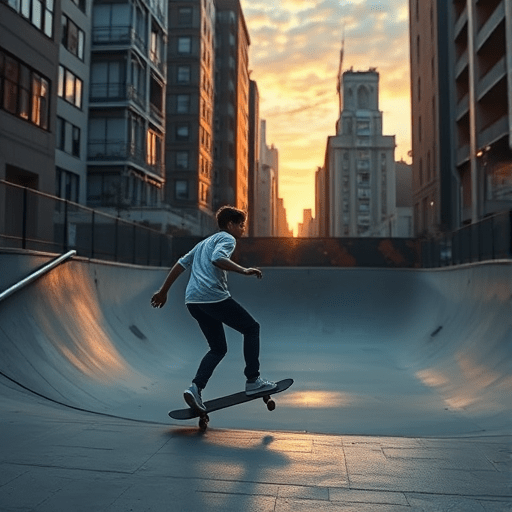
If you’re a beginner looking to break into the skate culture scene in Los Angeles without the pressure of crowded outdoor decks, the city’s hidden indoor skateparks offer a welcoming, climate‑controlled playground. Hidden Indoor Skateparks in LA for Beginner Urban Explorers provide a safe space to learn fundamentals, practice tricks, and meet fellow skaters in a supportive environment. In this guide, we’ll walk through the reasons these venues are ideal for newcomers, how to identify secret spots, and give you a step‑by‑step playbook for locating and visiting them.
Why Indoor Skateparks Matter for Beginners in LA
Los Angeles is synonymous with surf, sun, and a booming skate scene, but the sunny facade masks a reality: outdoor decks can be intimidating for beginners. Weather, crowds, and inconsistent terrain can hinder skill development. Indoor skateparks solve these issues by offering a consistent surface, controlled lighting, and limited traffic. They also provide access to in‑person coaching and structured classes that are hard to find on the streets. For a newcomer, these advantages translate into a faster learning curve, fewer injuries, and a sense of community that can keep you motivated.
How to Spot a Hidden Indoor Skatepark
1. Look for Unmarked Industrial Spaces
Many secret parks are tucked away behind warehouses or old factories. A key indicator is a discreet, unadvertised entrance—often a door that’s painted the same color as the surrounding wall or a sliding panel that blends into the architecture. These spaces may have minimal signage, making them easy to overlook for those who aren’t looking.
2. Listen to Local Skaters on Social Media
Skate forums, Instagram reels, and TikTok channels often reveal hidden gems through subtle clues—like a hashtag “#hiddenLA” or a shout‑out in a caption. Follow local skate influencers and pay attention to the geotags or location tags that hint at a lesser‑known venue. Remember, the word-of-mouth network is the fastest way to discover the latest hidden spots.
3. Check Parking Lot Maps and Community Boards
Parking garages in downtown Los Angeles sometimes host “pop‑up” skateparks. Scan the parking lot maps for unusually wide, flat spaces that don’t belong to regular parking. Community bulletin boards, especially those in neighborhood centers, often post flyers about local skate sessions. Keep an eye out for any mention of “practice session” or “intro day” with a location that isn’t a well‑known skate spot.
Top 5 Secret Indoor Skateparks in LA
Below we’ve compiled five of the most promising hidden indoor venues that welcome beginners. While we’ve done our best to keep the list up‑to‑date, the skate world moves fast, so double‑check each location before heading out.
1. The Vault – A Converted Firehouse
The Vault is a repurposed 1930s firehouse on E. 4th St. The parking lot is a wide, concrete expanse that hosts a hidden half‑pipe and a beginner-friendly bowl. The space is only accessible through a discreet door that’s painted a matching charcoal gray. It’s especially popular on weekday evenings when the building is closed to the public.
2. Echo Alley – A Secluded Alleyway
Hidden behind a row of brick warehouses near Echo Park, Echo Alley features a makeshift skatepark built into a concrete trench. The entrance is a small, rusted gate that opens to a low, open‑air bowl and a set of rails. The park is maintained by a local skate crew that welcomes newcomers who arrive with their own gear.
3. R3 Labs – A High‑Tech Co‑working Space
R3 Labs, a startup incubator on Vermont Ave, transforms its unused mezzanine into a skate area during off‑hours. With a smooth concrete floor and an elevated ramp, it’s a great place for beginners to practice ollies and kickflips without the noise of the surrounding office space.
4. The Greenroom – An Underground Music Studio
Located in a basement of an old music studio on 5th Street, The Greenroom offers a low‑to‑high ramp and a small half‑pipe. The walls are lined with posters of classic skate culture, creating an immersive atmosphere. The venue is open to visitors on weekends, provided they RSVP through the studio’s online booking system.
5. La Cañada – A Rooftop Hideout
At the top of a 12‑story office building on La Cañada, a discreet rooftop deck has been converted into a beginner’s skate zone. With a shallow, wide bowl and a small set of rails, this hidden gem offers a panoramic view of the city and a quiet place to practice.
Planning Your Visit: Timing, Fees, and Gear
Once you’ve chosen a spot, the next step is logistics. Below are key details you’ll need to plan a smooth outing.
Timing Matters
- Most hidden parks are accessed during off‑peak hours—early mornings (6–8 am) or late evenings (9–11 pm).
- Weekdays tend to be quieter than weekends, but it’s worth confirming with the venue’s owner or the community group that manages the space.
Fees and Access
- Many hidden parks are free if you’re just skate‑ing. However, some require a small donation or a participation fee for organized classes.
- Check for membership programs that offer unlimited access in exchange for a monthly fee—great if you plan to visit regularly.
- When in doubt, always ask the point person at the location or consult the venue’s online group for details.
Gear Checklist
- Skateboard with proper grip tape and wheels (70‑80 mm recommended for beginners).
- Helmet, knee pads, elbow pads, and wrist guards.
- Water bottle and a small towel for sweat.
- Optional: a spare board or a kickstand to keep your board safe while you rest.
Internal Resource
For a deeper dive into beginner skateboarding basics, check out this guide on proper stance and foot placement: .
Safety Tips and Etiquette
Even in a low‑traffic environment, safety and respect for others are paramount. Here’s a quick checklist to keep in mind.
- Helmet first: Always wear a certified helmet, especially when practicing new tricks.
- Respect the space: Clean up after yourself—take any trash or leftover equipment back to the parking lot or designated disposal area.
- Communicate: If you’re taking a lesson, let the instructor know your experience level. For free sessions, greet the host or crew and ask for any house rules.
- Practice good form: Avoid high‑speed attempts on beginners’ areas. Focus on technique before speed.
- Know your limits: It’s fine to watch others, but don’t attempt a trick that feels beyond your skill level.
Joining the Community: Online Groups and Events
Finding a hidden park is only the first step; staying engaged with the community can accelerate your growth.
- Skate forums: Sites like Skateboard.com and Reddit’s r/sk8ernews often host meet‑ups and share location tips.
- Discord servers: Many hidden skateparks have dedicated Discord channels where members share videos, safety tips, and organize group sessions.
- Attend “Intro Nights”: Some parks host monthly beginner nights, offering free coaching and a chance to connect with other newcomers.
Conclusion
Hidden indoor skateparks in LA present a unique opportunity for beginner urban explorers to learn, practice, and grow in a supportive, low‑pressure setting. By understanding how to spot these secret venues, planning your visits carefully, and embracing the local community’s etiquette, you’ll find a welcoming space that fuels your skateboarding journey. Whether you’re chasing your first ollie or simply looking for a cool, climate‑controlled spot to hang out, these hidden gems are ready to welcome you.