In the fast‑evolving gaming economy of 2026, microtransaction design has moved beyond simple “pay‑to‑win” tactics. Developers now strive to craft revenue streams that feel organic, rewarding, and fair—balancing monetization with player satisfaction. This guide walks you through a practical, research‑backed process for building microtransaction loops that sustain long‑term engagement while safeguarding the game’s integrity.
1. Start With Player-Centric Value Mapping
Before you draft a price list, map out the value hierarchy that players derive from your game. Differentiate between:
- Functional value: Items that enhance gameplay (e.g., extra health packs).
- Symbolic value: Cosmetic upgrades that express identity.
- Convenience value: Time‑savers (e.g., instant level unlocks).
Use player surveys, focus groups, and behavioral analytics to identify which categories resonate most. In 2026, the most successful loops pair symbolic and convenience items in a way that feels optional rather than mandatory.
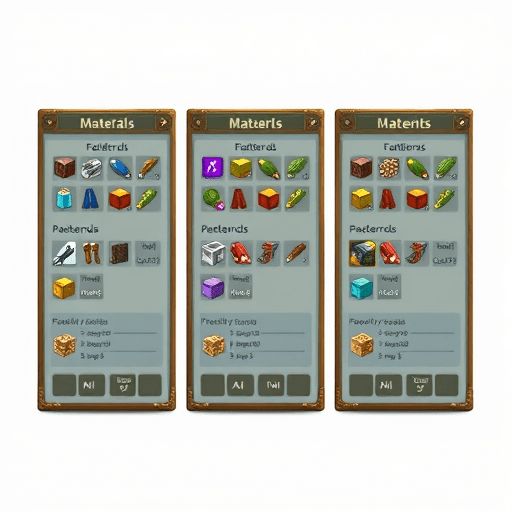
Tip: Create a Value Matrix
Build a matrix that aligns item types with player motivations. This visual tool helps you spot gaps—e.g., if no items support “social bragging,” consider adding a cosmetic trophy set.
2. Leverage Dynamic Pricing & Time-Limited Offers
Static prices can feel stale. In 2026, dynamic pricing models—adjusting costs based on player spend, session length, or in‑game events—boost revenue while mitigating irritation. Combine this with timed offers that create a sense of urgency without pushing players into impulse buying.
- Personalized bundles: Offer discounts to high‑spending players, keeping them loyal.
- Event‑driven flash sales: Release limited‑time cosmetics during seasonal events.
- Micro‑drop timers: Let players earn a small cosmetic drop after each completed quest, then offer an upgrade at a discounted rate.
Balancing Act: Avoid “Price Squeeze”
When discounts are too steep, players may perceive value as diminished. Use a price elasticity test to find sweet spots—typically, a 10–20% reduction during high‑traffic periods yields optimal conversion without devaluing the item.
3. Design Loop Cycles That Reward Consistency
Microtransaction loops should encourage repeat play rather than one‑off purchases. Structure the loop around three pillars:
- Progression: Small incremental rewards for daily logins or mission completion.
- Choice: Players can either purchase an instant upgrade or earn the same benefit through in‑game effort.
- Social Sharing: Unlocking new cosmetics triggers a shareable badge, amplifying virality.
For example, a “Heroic Skins” bundle could unlock after completing 10 missions, but players can buy a “Fast‑Track” option to obtain the skin immediately. This dual path respects player agency.
Implement Reward Schedules
Use spaced‑repetition schedules for cosmetic drops: the first drop appears after 3 days, the second after 6 days, and so on. This design keeps players coming back while gradually increasing perceived value.
4. Prioritize Transparency and Ethical Monetization
Players in 2026 are savvier and more critical of opaque pricing. Transparency fosters trust and reduces backlash. Adopt these practices:
- Clear cost breakdown: Show the exact price, any taxes, and the impact on in‑game currency.
- No hidden fees: Avoid pay‑walls that lock essential gameplay behind a subscription.
- Fair loot box odds: Publish probabilities for rare items and consider implementing a “price‑to‑win” guarantee.
Legal Compliance: GDPR, COPPA, and Beyond
Ensure your microtransaction system complies with global regulations. Offer opt‑in consent for data collection, provide a clear privacy policy, and implement parental controls for minors. The EU’s Digital Services Act and the U.S. Consumer Protection Act set stringent standards—non‑compliance can result in hefty fines.
5. Build Analytics-Driven Iteration Loops
Once launched, monitor key metrics to iterate quickly:
| Metric | Description |
|---|---|
| Average Revenue Per User (ARPU) | Overall revenue divided by active users. |
| Purchase Frequency | How often players buy in a given period. |
| Conversion Rate | Percentage of users who make at least one purchase. |
| Player Retention (Day 30, Day 60) | How many players return after initial sessions. |
Use A/B testing to refine pricing tiers, bundle contents, and promotion timing. For example, test a 15% discount versus a 25% discount on a popular cosmetic item to see which drives higher long‑term engagement.
Leverage Predictive Analytics
Predictive models can forecast which players are likely to churn or spend heavily. Target high‑value players with personalized offers, while nudging low‑engagement users toward low‑cost items that re‑ignite interest.
6. Foster Community Feedback Loops
Engage directly with your player base to gather qualitative insights. Create forums, Discord channels, or in‑game feedback forms. In 2026, community sentiment often dictates the success of microtransaction initiatives.
- Sentiment analysis: Monitor tweets and posts for sentiment toward recent sales.
- Player panels: Host quarterly panels where players discuss future loot concepts.
- Beta testing: Offer early access to upcoming items for a subset of players in exchange for honest reviews.
Respond transparently—if a community member objects to a pricing strategy, explain the rationale or adjust accordingly.
Gamify Feedback Participation
Reward players for providing feedback with in‑game points or exclusive status badges. This turns criticism into a collaborative design process, improving both player trust and product quality.
7. Integrate Ethical “Micro‑Subscription” Models
Subscriptions remain popular, but they must be framed as value‑adding rather than compulsory. Offer a tiered subscription that unlocks:
- Exclusive cosmetics
- Daily reward boosters
- Early access to new content
- Community events with dedicated support staff
Ensure the subscription is optional and can be canceled anytime without penalties. Include a clear, visible “free trial” period to lower the entry barrier.
Subscription Transparency
Show a clear comparison of what a player gets with and without the subscription. Highlight savings over time to help players make informed choices.
8. Prepare for Future Monetization Trends
In 2026, emerging trends such as play‑to‑earn (P2E) and cross‑platform micro‑transactions are gaining traction. To future‑proof your loop:
- Incorporate blockchain‑based collectibles with transparent ownership.
- Ensure cross‑device consistency so players can buy an item on mobile and use it on console.
- Explore metaverse integrations where in‑game items have real‑world value.
Stay adaptable; what works today may evolve tomorrow.
Stay Agile with Modular Storefronts
Build a modular storefront that can swap items, currencies, and pricing models without major code rewrites. This flexibility allows you to pivot quickly as market conditions shift.
9. Summarize the Key Takeaways
Microtransaction design in 2026 demands a player‑centric mindset, transparent pricing, dynamic offers, and continuous iteration. By aligning revenue goals with community values, developers can create loops that keep players engaged without causing irritation.
Remember to:
- Map player value hierarchies.
- Use dynamic pricing and time‑limited offers.
- Reward consistent play.
- Maintain transparency and ethical standards.
- Iterate based on analytics and community feedback.
- Explore emerging trends with flexibility.
With these principles, your game can thrive both financially and socially—ensuring that microtransactions enhance the experience rather than detract from it.
Conclusion
As the gaming landscape continues to evolve, microtransaction design must prioritize player well‑being alongside revenue generation. By building thoughtful, data‑driven loops and fostering an open dialogue with your community, developers can deliver experiences that feel rewarding and fair. In 2026, success lies not in how much a player spends, but in how deeply they engage with the game.