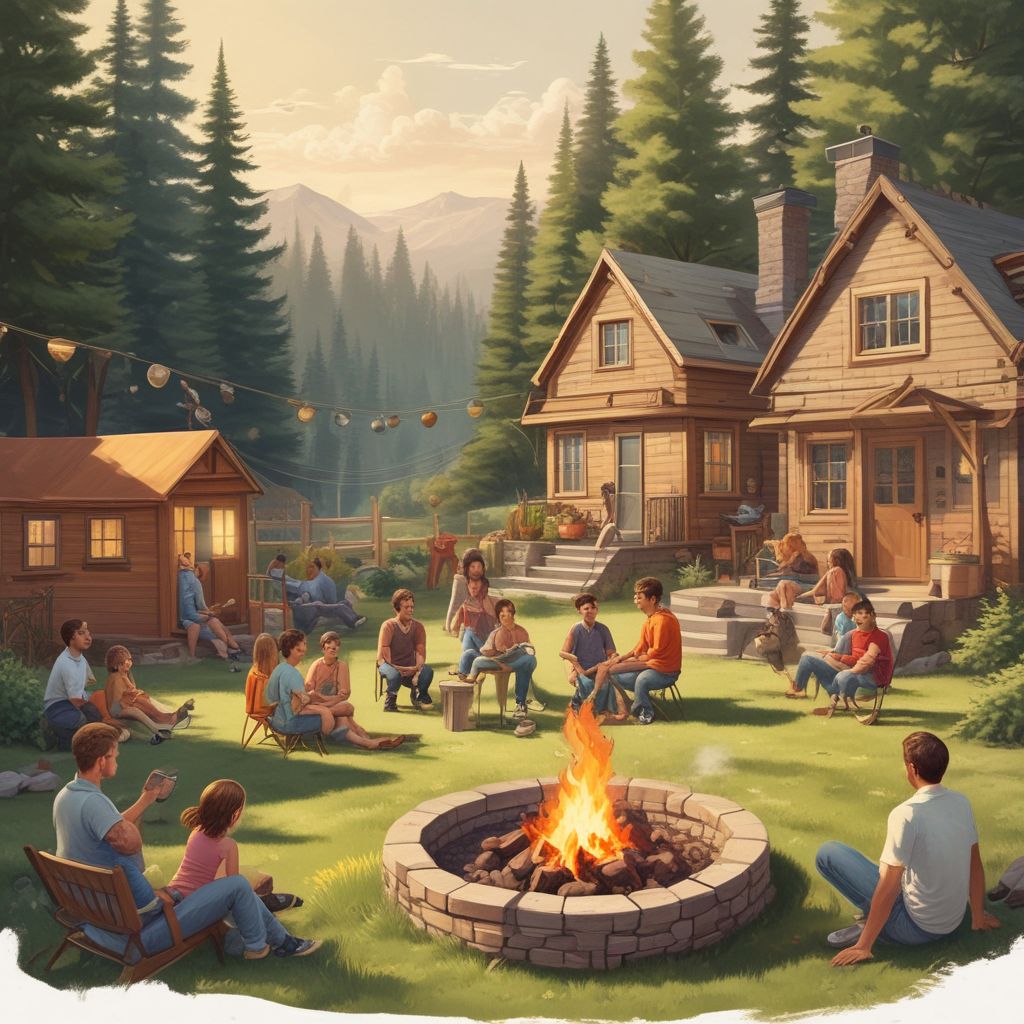
Tiny House, Big Community – The Rise of Family Trips to Shared Tiny Homes That Turn Travelers into Neighbors
In recent years, the tiny house movement has exploded beyond a minimalist lifestyle trend; it’s become a catalyst for community building, especially among families. When a group of parents and children flock to a shared tiny house camp, they’re not just renting a place to sleep—they’re stepping into a living, breathing neighborhood where neighbors greet you with a smile and a pot of soup. This article explores why families gravitate toward these micro‑accommodations, how shared tiny home communities function, and practical steps to turn a holiday into a meaningful, neighborly adventure.
Why Families Love Tiny House Communities
Modern families face two major challenges on vacation: cost and authenticity. A typical resort can strain a budget, while a home‑share experience often feels impersonal. Tiny house communities hit the sweet spot. They offer:
- Affordability – Shared resources like kitchens, bathrooms, and laundry reduce individual expenses.
- Authentic Interaction – Communal spaces encourage spontaneous conversations, shared meals, and playdates that create instant bonds.
- Safety for Kids – Enclosed yards, child‑proofing, and close‑knit social circles provide a secure environment for children to explore.
- Eco‑Consciousness – Tiny houses usually incorporate sustainable features, aligning with growing family values around environmental stewardship.
When a family of four arrives, they’re greeted by a neighbor who offers a welcome packet of local attractions, a recipe card, and sometimes even a “neighbor’s secret” about the best hiking trail. That personal touch turns a simple stay into a memorable chapter of family lore.
The Shared Tiny Home Model
Unlike a single tiny house, a shared community consists of multiple units—often 5 to 30—arranged around a central common area. The architecture typically includes:
- Communal Kitchen & Dining – A spacious galley where families cook together and share meals.
- Multi‑Purpose Spaces – A shared lounge or playground that can host movie nights, storytelling sessions, or craft workshops.
- Outdoor Amenities – A shared garden, fire pit, or splash pad that encourages interaction under the stars.
- Co‑Managed Facilities – Shared utilities and maintenance staff reduce the burden on individual tenants.
Governance varies: some communities operate on a democratic council model, while others have a host or manager who facilitates bookings, organizes events, and ensures safety protocols. Regardless of structure, the underlying principle remains the same—ownership of space is shared, and so is the responsibility to nurture a welcoming atmosphere.
Planning Your Family Trip
Choosing the right tiny house community involves a few key steps:
1. Identify Your Travel Goals
Are you looking for a wilderness retreat, an urban escape, or a cultural hub? Tiny house communities now pop up in national parks, coastal towns, and even near major cities. Clarify whether you prioritize nature, nightlife, or educational experiences.
2. Check Reviews and Credentials
Read guest reviews on platforms like Airbnb, TripAdvisor, or dedicated tiny house forums. Look for mentions of cleanliness, host responsiveness, and the sense of community. Verify that the community has proper permits and safety certifications, especially for family stays.
3. Confirm Family‑Friendly Features
Ask about sleeping capacity, cribs, child safety locks, and on‑site playgrounds. Some tiny house groups provide extra amenities like a kid‑friendly library, board games, or outdoor equipment rentals.
4. Understand the Booking Process
Unlike a standard hotel, many tiny house communities require a reservation that includes community rules, deposit requirements, and sometimes an orientation meeting. Confirm cancellation policies and any additional fees for extra guests.
Activities & Experiences That Foster Connection
A vibrant tiny house community thrives on shared experiences. Here are some activities that families often enjoy:
- Community Potlucks – Every week, residents bring a dish, creating a culinary mosaic that showcases local flavors.
- Guided Nature Walks – Led by a local guide, families explore nearby trails while learning about native flora and fauna.
- Craft Workshops – From pottery to woodworking, children and parents build memories—and keepsakes—together.
- Nightly Story Circles – Children gather around a campfire while adults swap travel anecdotes, fostering intergenerational bonding.
- Seasonal Festivals – Communities often host harvest festivals, winter light shows, or summer music nights, giving guests a taste of local culture.
These recurring events not only entertain but also create a routine that turns first‑time visitors into regular neighbors.
Building Connections That Last Beyond the Trip
One of the most rewarding aspects of staying in a tiny house community is the lasting relationships that develop. Here’s how families can nurture these bonds:
1. Share Your Story
Keep a travel journal or photo album. Invite neighbors to contribute by asking for their favorite moments or recipes. Sharing your experiences can spark deeper conversations.
2. Participate in Community Projects
Many tiny house groups collaborate on initiatives like tree planting, beach clean‑ups, or community gardens. Volunteering together cements a sense of shared purpose.
3. Keep the Conversation Going Online
After the trip, maintain contact through social media groups, email lists, or community forums. A quick message, “Thanks for the warm welcome!” can keep the connection alive.
4. Plan a Return Visit
Invite new family members to join you on a future trip, or host a reunion for all the neighbors you met. Shared memories are a strong glue that keeps the community network thriving.
Tips for a Successful Stay
- Respect Quiet Hours – Most tiny house communities enforce a “no noise” policy after 10 p.m. to respect everyone’s sleep.
- Communicate Early – Let the host know of any dietary restrictions, allergies, or special requests well before arrival.
- Practice Sustainability – Follow the community’s guidelines on waste segregation, water usage, and energy conservation.
- Engage Actively – Introduce yourself to neighbors, ask about local spots, and share your own tips. A friendly attitude goes a long way.
- Document and Share – Take photos (respecting others’ privacy), record short videos, and share your journey on a blog or social media to inspire others.
The Future of Tiny House Communities
As climate change, urban sprawl, and housing shortages push people toward more sustainable living, tiny house communities are poised to become the next standard for eco‑friendly family travel. Innovations on the horizon include:
- Modular Expansion – Prefabricated units that can be added or removed based on demand.
- Smart Technology – Integrated solar panels, smart thermostats, and shared Wi‑Fi hubs that lower energy consumption.
- Inclusive Design – Units adapted for people with disabilities, ensuring everyone can participate.
- Virtual Community Platforms – Dedicated apps that coordinate events, maintenance, and social networking.
These advancements will make tiny house communities more resilient, accessible, and engaging for families worldwide.
How to Get Started
Ready to turn your next family vacation into a neighborly adventure? Start by browsing curated lists of tiny house communities on platforms like Tiny House Listings and Airbnb Experiences. Narrow down your choice based on location, amenities, and community vibe. Reach out to the host, ask questions, and book early—especially during peak travel seasons. Pack light, bring an open heart, and prepare to meet people who might become lifelong friends.
Embrace the tiny house revolution and let the journey begin.
Explore nearby tiny house communities and plan your family adventure today!