The phrase “Guilds Without Games” describes a growing phenomenon in which small, fan-run micro-communities—centered around values, mentorship, or lived experience rather than any single title—are becoming the new social layer of gaming. These groups weave together cross-game friendships, mental-health support, and in-person meetups in ways official platforms struggle to match, and they are changing what it means to belong in gaming culture.
What are Guilds Without Games?
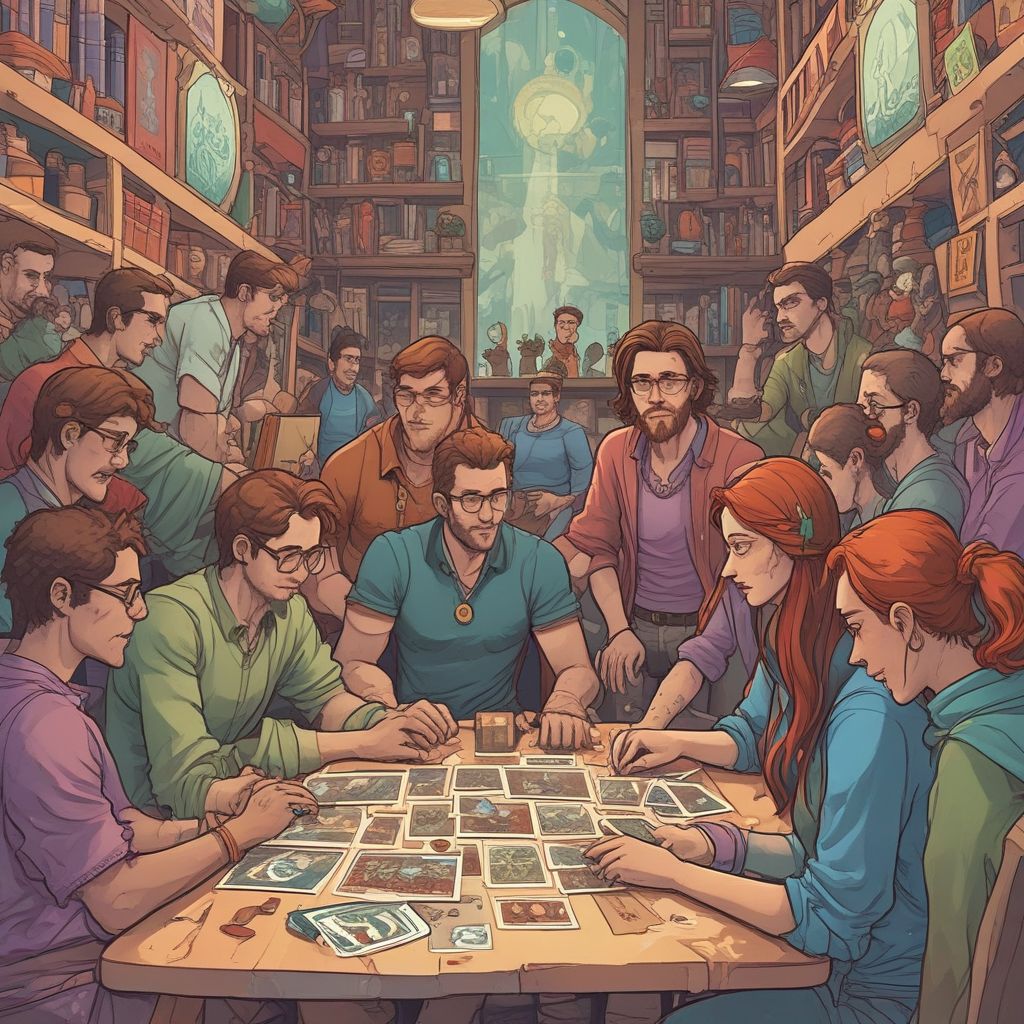
Unlike traditional guilds tied to a specific MMO or title, Guilds Without Games are intentionally platform- and game-agnostic. They form around shared identities, hobbies, or needs—such as speedrunning mentorship, queer-friendly co-op nights, or veteran players offering mental-health peer support—and pull members from across Steam libraries, console ecosystems, and mobile apps. Think of them as micro-communities: usually 10–200 members, narrow in purpose, and high in intentionality.
Why they’re emerging now
Several trends converged to create fertile ground for these micro-communities:
- Platform fatigue: Players increasingly distrust large, algorithm-driven spaces that prioritize engagement over wellbeing.
- Cross-play ubiquity: As cross-play and cloud libraries dissolve platform silos, community bonds no longer require a single game to persist.
- Desire for depth: Gamers seek meaningful mentorship, emotional support, and small-group accountability that big servers can’t reliably provide.
What they offer: mentorship, mental-health support, and real-world connection
Mentorship and skill pathways
Micro-communities often create structured mentorship: experienced players volunteer as coaches, curate resources, and run apprenticeship cohorts for newcomers learning a genre or competitive ladder. Because groups are small, feedback is specific and progress-tracking is personal—qualities rare in large, anonymous forums.
Mental-health and emotional safety
Many Guilds Without Games intentionally adopt peer-support norms: check-ins, crisis resource lists, and trained moderators who can spot burnout or harassment. These groups normalize conversations about anxiety, dysphoria, or social isolation, and they establish safe channels for members to ask for help without fear of public shaming.
Real-world meetups and IRL rituals
Online affinity often translates to offline rituals: coffee meetups, charity LAN parties, mental-health workshops, or co-working sessions for creative projects. These in-person touchpoints deepen trust and give micro-communities a tangible presence that corporate platforms seldom cultivate.
How Guilds Without Games outcompete official platforms
It’s not merely passion that gives these micro-communities an edge; structural features matter:
- Intentional membership: Small size enables deliberate onboarding, shared norms, and accountability.
- Plasticity: They quickly pivot policies and events to respond to member needs, whereas corporate platforms move slowly.
- Value alignment: These groups prioritize member wellbeing and skill growth over advertising metrics or watch-time.
Common structures and tools
Guilds Without Games use lightweight tooling: Discord servers with private channels, Signal groups for sensitive conversations, Notion hubs for mentorship curricula, and MeetUp/event listings for IRL gatherings. Governance is often non-hierarchical—rotating facilitators, open charters, and member-voted norms keep the community healthy without bureaucracy.
Challenges and how micro-communities respond
No model is perfect. These groups face moderation burnout, boundary creep, and sustainability issues. Successful communities mitigate these risks by:
- Distributing moderation responsibilities and providing training or stipends for volunteer facilitators.
- Documenting policies and trauma-informed practices to reduce emotional labor on individuals.
- Creating clear off-ramps and escalation paths for serious safety issues.
Short case studies (anonymized)
- Midwest Mentor Collective: A 60-person group focused on FPS fundamentals that pairs rookies with experienced mentors for two-month learning cohorts, resulting in measurable rank improvement and stronger social ties.
- Queer Co-op Circle: A 120-member cross-game community that runs closed voice nights and frank wellbeing check-ins; members report reduced feelings of isolation and several successful local meetups.
- Veterans’ Pause: A small, invitation-only group offering peer-led mental-health check-ins and a yearly retreat; their structured calendar helps members maintain consistent self-care practices.
How to start or join a Guild Without Games
For prospective founders:
- Begin with a purpose statement: why this group exists and who it serves.
- Keep membership small to start—invite trusted people and scale intentionally.
- Create simple onboarding and a code of conduct; invest in moderator support and burnout prevention.
For players looking to join:
- Seek communities with clear governance, active moderation, and rituals that match your needs (mentorship, socializing, or support).
- Try a short-term trial period to see if the group’s norms and tone fit you.
Best practices for long-term health
- Rotate leadership and celebrate volunteers to avoid single-person dependency.
- Offer multiple participation levels—from lurkers to event organizers—so people can contribute sustainably.
- Maintain transparent finances if accepting donations and document how funds are used.
Guilds Without Games are more than a quirky trend: they represent a durable shift toward human-scale social design in gaming. By centering intentionality, care, and cross-game belonging, these micro-communities provide mentorship, mental-health support, and real-world connection that official platforms often struggle to match.
Conclusion: As the gaming landscape fragments into countless titles and platforms, tiny, fan-run guilds without games are proving that social depth matters more than scale—offering a model for healthier, more resilient networks in play and in life.
Ready to find or start a Guild Without Games in your area? Join a small circle, show up consistently, and help build the social layer gaming has been missing.