Welcome to “Flavor Footprints,” a travel guide that maps neighborhoods by home-cooked dishes, pop-up supper clubs, and the stories behind recipes that shaped local identity. This guide shows how following a recipe can lead you down alleyways and into living rooms where migrants have stitched new cultural patterns into the city’s fabric—one simmering pot at a time.
Why Flavor Footprints Matter
Food is memory made edible. Migrant recipes carry family histories, migration routes, and survival strategies. When you map a city by its kitchens and supper clubs, you reveal hidden networks: markets that supplied ingredients during wartime, community halls that became classrooms for new generations, and backyards where techniques were adapted to local produce. These are the Flavor Footprints—traces of identity left in spice jars, folding tables, and passed-down techniques.
How to Use This Travel Guide
This guide is organized as a practical map plus storytelling roadmap. Use it to find neighborhoods anchored by a signature home-cooked dish, discover pop-up supper club calendars, and access tips for joining shared tables respectfully. Each neighborhood entry includes: the dish to taste, where to find it (homes, markets, or pop-ups), the story behind it, and etiquette tips for guests and photographers.
Neighborhood Map by Dish
1. River Market — Heirloom Stews and Backyard Kitchens
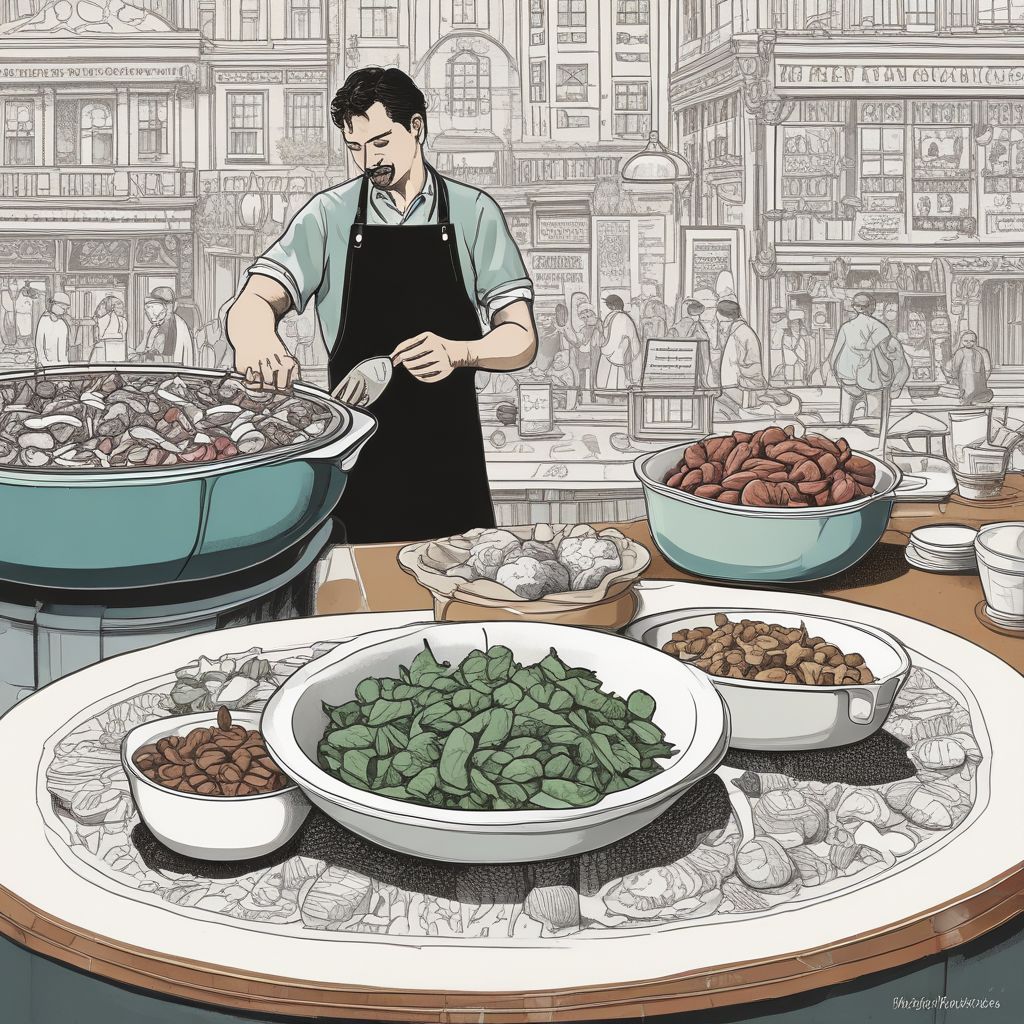
Dish to try: Slow-simmered goat or lentil stews passed down from rural homelands. The River Market’s vendors source fresh greens at dawn, and community cooks stage evening dinners in converted storefronts or private homes.
- Where to find it: Weekly market suppers and rotating home dinners posted on neighborhood boards and community WhatsApp groups.
- Story: Families who arrived as agricultural workers adapted field herbs to urban vegetables; the stew became a Sunday ritual and fundraiser centerpiece.
- Etiquette: Ask before photographing kitchens; tip share-based hosts with both praise and payment.
2. South Alley — Noodle Houses, Street Cookouts, and Supper Clubs
Dish to try: Hand-rolled noodles served with fermented sauces or roasts reflecting cross-border routes.
- Where to find it: Hole-in-the-wall noodle stalls, pop-up night markets, and ticketed supper clubs led by second-generation cooks.
- Story: A migrant family’s noodle recipe fused street techniques with home soyferments, drawing diners who now travel across the city for a single bowl.
- Insider tip: Arrive early for limited seating at pop-ups; many operate cash-only and sell out fast.
3. El Corazón — Sweet-Savory Crossovers and Festival Kitchens
Dish to try: Festival tamales and sweet breads that blend ancestral grain traditions with local fruit preserves.
- Where to find it: Community festivals, church bazaars, and seasonal kitchen cooperatives that open to the public.
- Story: Migrant bakers kept holiday practices alive by creating compact, shareable versions of ceremonial recipes that later became neighborhood staples.
- Note: Festivals are excellent for hearing oral histories—bring a notebook and a respectful curiosity.
Finding and Joining Pop-Up Supper Clubs
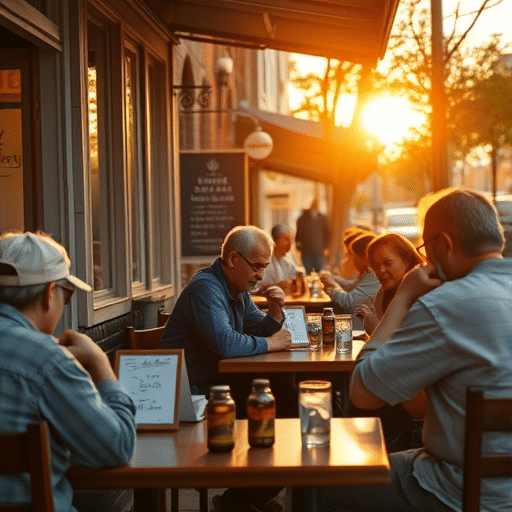
Pop-up supper clubs are the most intimate way to experience Flavor Footprints—hosts often sell a limited number of seats and pair food with storytelling. Here’s how to discover them:
- Follow local community centers, cultural associations, and neighborhood social channels on social media.
- Subscribe to mailing lists run by food co-ops, diaspora arts groups, and culinary incubators that advertise rotating dinners.
- Ask vendors at markets—many pop-ups begin as market demos and evolve into full dinners.
Three-Day Itinerary: Taste, Talk, Learn
This short itinerary is structured to walk a district’s culinary history without rushing the conversations that make the food meaningful.
- Day 1 — Market Morning & Backyard Dinner: Start at a morning market for ingredients, join an afternoon workshop with a community cook, and attend a small backyard supper where elders tell family migration stories.
- Day 2 — Street Food Crawl & Supper Club: Spend the day sampling stalls, then reserve a seat at a supper club where multiple generations cook one communal menu and invite discussion.
- Day 3 — Cooking Class & Oral History Walk: Take a hands-on class that recreates an heirloom recipe and follow with a guided walk through the neighborhood to see where key ingredients first arrived.
Respectful Photography and Story Gathering
Documenting Flavor Footprints requires sensitivity. Always ask permission before photographing people or private kitchens, offer copies of photos to your hosts, and credit storytellers when you share their recipes or histories publicly. Consider compensating knowledge-bearers beyond a meal—paid interviews, recipe royalties, or gifts of supplies are meaningful ways to show appreciation.
Practical Tips for Travelers
- Carry small-change cash for market vendors and informal pop-ups.
- Learn a few greeting phrases in the community’s languages—hosts value effort over perfection.
- Pack a portable seat cushion and a willingness to eat on folding tables—many authentic experiences are humble but rich.
- Check dietary restrictions with hosts in advance if you have allergies or preferences; many dishes are easily adapted with notice.
Preserving the Recipes You Find
Recipes are living documents. If you learn a family dish, ask about variations and the story behind each ingredient. When publishing or teaching a recipe learned from someone else, obtain permission, share credit, and consider ways to return value to the community—like donating proceeds from a recipe column to a local cultural center.
Flavor Footprints is about more than tasting; it’s about mapping the emotional geography of migration through food. Each dish is a marker; each supper club a waypoint; and each shared recipe a small act of cultural preservation that keeps a city’s history alive for future travelers and residents alike.
Conclusion: Follow the Flavor Footprints in any city and you’ll find neighborhoods that speak in spices, kitchens that archive memory, and people whose recipes are invitations to understand a shared past. Let the food guide your curiosity, and reciprocate the storytelling with respect.
Ready to plan your next culinary journey? Book a community supper or contact a local cultural center today.