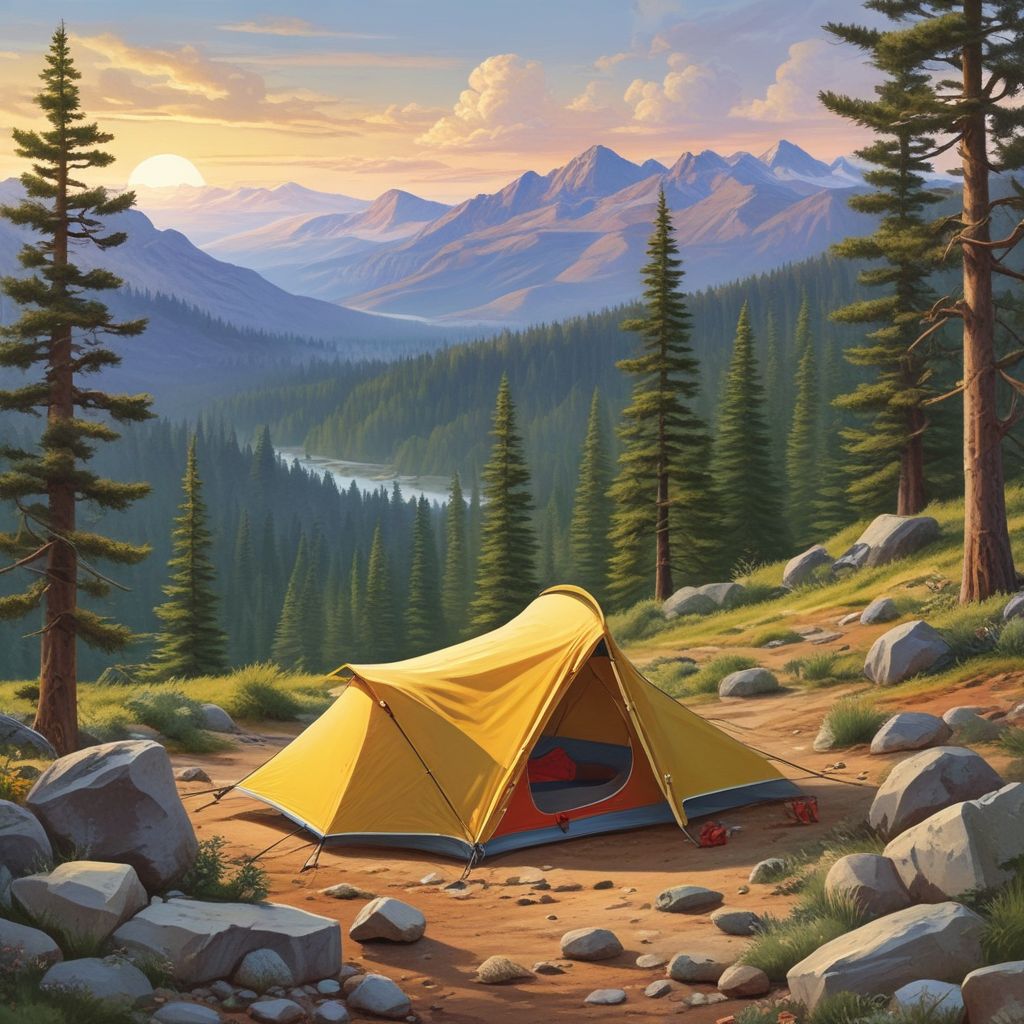
Micro-Basecamping unlocks longer horizons by turning a familiar day hike into a lightweight overnight ridge adventure without hauling a full backpacking rig—this guide covers legal micro-shelters, ultra-light gear choices, quick-route planning, and leave-no-trace tactics so you can make safe, low-impact decisions on the trail. Whether you’re chasing sunrise from a ridgeline or splitting a long traverse into two short days, the right planning and minimal kit let you sleep comfortably and responsibly in exposed places.
What Is Micro-Basecamping and Why Try It?
Micro-Basecamping is the practice of converting day hikes into short, minimally equipped overnight trips by using ultralight shelters and gear, nimble route planning, and strict low-impact practices. Advantages include fresh morning views, expanded mileage potential, less heavy gear, and more flexible trip design—while requiring careful attention to legality and safety.
Legal Basics: Know Before You Camp
Overnight stays, even with tiny shelters, are regulated—check land management rules before committing.
- Public lands: National Parks often restrict backcountry camping to designated zones and require permits; National Forests and BLM lands often allow dispersed camping but may have seasonal closures.
- Trail and ridge specifics: Some ridgelines cross multiple jurisdictions—verify each segment for overnight rules and fire bans.
- Private land and access: Never assume permission—get written permission if you might end up on private property.
- Micro-shelter policies: Hammocks, bivys, and tarps are sometimes singled out—research whether they’re acceptable in your chosen area.
Choosing a Legal Micro-Shelter
Pick a shelter that balances protection, footprint, and the rules where you camp.
- Bivy sack / emergency bivy: 7–14 oz. Minimal impact and fast setup; best for low-profile ridge camps but offers limited ventilation in humid conditions.
- Tarp + trekking pole pitch: 8–20 oz. Highly versatile and light; requires knot skills and offers good ventilation but less bug protection unless paired with netting.
- Ultralight solo tent / tarptent: 12–30 oz. Best all-rounder for exposed ridges—good wind resistance with proper pitching and footprint.
- Hammock (with straps and bug net): 12–30 oz. Great where trees exist; not suitable on exposed ridges without trees.
Ultra-Light Gear Choices That Matter
Target a simple, reliable system rather than the absolute lightest items; comfort and safety matter on exposed ridgelines.
- Sleeping system: Quilt or ultralight bag rated to expected temps; pair with a 2–3 season inflatable pad (R-value 3–5) for insulation from wind-chilled rock.
- Pack: Lightweight daypack or 25–35L ultralight pack with shoulder straps to carry overnight items comfortably.
- Cooking & water: Pocket stove or alcohol stove (2–6 oz) and a minimal cookset; plan water sources—carry filter or purification tabs depending on refills.
- Layers: Wind shell, insulated layer, warm hat and gloves—wind on ridges kills warmth quickly.
- Navigation & safety: Map, compass, headlamp, small first-aid kit, and a personal locator beacon or satellite messenger if heading remote.
Quick-Route Planning for Overnight Ridge Stops
Convert a day route into an overnight by choosing a sheltered, legal site and planning timing, bailouts, and contingencies.
- Select candidate sites: Identify a few potential camps (natural flat spots, saddles with wind shelter, or small basins) on your map ahead of time.
- Timing: Aim to reach camp with at least two daylight hours to scout and pitch—late setup in wind or fog is dangerous.
- Elevation & exposure: Avoid narrow exposed crests; if camping on a ridge, look for lee side shelter, larger rock features, or low scrub to block wind.
- Bail routes: Pinpoint descent points and alternate water sources; know where you can descend safely in poor weather.
- Weather window: Check forecasts for wind, precipitation, and temperature swings—ridgelines amplify conditions.
Low-Impact Overnight Tactics (Leave No Trace)
Micro-Basecamping must be minimal-impact to be sustainable—follow these ridge-specific practices.
- Site selection: Camp on durable surfaces (rock, bare soil, compacted tussock) and avoid fragile alpine vegetation.
- Human waste: Use catholes 6–8 inches deep and 200 feet from water; in high-use or fragile areas, pack out waste with WAG bags.
- Pack out everything: Trash, food scraps, and toilet paper—never bury or scatter food waste that attracts wildlife.
- Fire discipline: Prefer stoves—campfires are often prohibited on ridges and cause lasting scars; if allowed, use established pits sparingly.
- Minimize site alteration: Don’t move rocks, cut vegetation, or build windbreaks that disturb the landscape.
Safety, Weather, and Practical Tips
Ridge micro-camps are rewarding but require conservative decisions and redundancy.
- Overprepare for wind: Use extra guylines, shorter stakes, and low-profile pitches; orient shelter to shed prevailing winds.
- Insulate from cold surfaces: Use insulating pad and spare clothing under your hips and torso.
- Communications: Tell someone your plan and expected check-in; carry a charged phone plus a backup battery and, if remote, a PLB or satellite communicator.
- Test your gear: Practice pitching shelters and cooking setups at home before relying on them in a blustery saddle at sunset.
Sample Micro-Basecamp Checklist (quick)
- Shelter: tarp/tarp tent or bivy (12–20 oz)
- Sleeping: quilt or 20°F bag + inflatable pad (12–28 oz)
- Cook: pocket stove + small fuel (4–8 oz)
- Water: filter or tabs + 1L bottle
- Clothing: wind shell, insulated layer, hat, glove
- Safety: headlamp, map/compass, PLB/satellite, first-aid
- Pack: 25–35L ultralight pack
Micro-Basecamping turns ordinary day hikes into memorable, lightweight overnight ridge adventures when done with respect for the law, attention to weather and safety, smart ultralight choices, and strict leave-no-trace ethics. Start small—choose a familiar trail, test minimal shelter nearby, and build skills before tackling exposed ridgelines.
Ready to try a first micro-basecamp this weekend? Pick a legal site, check the forecast, and practice a shelter pitch in daylight—then savor a sunrise that only an overnight can deliver.