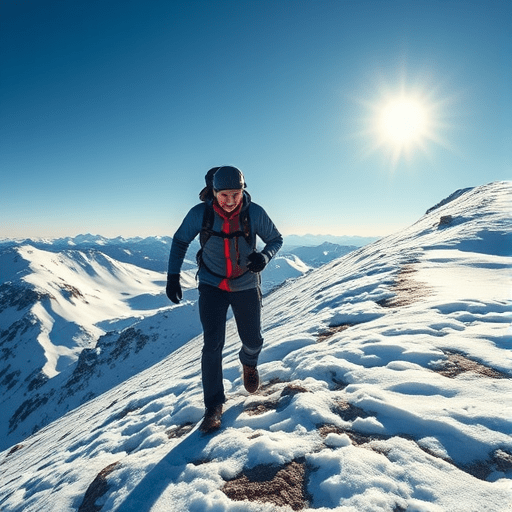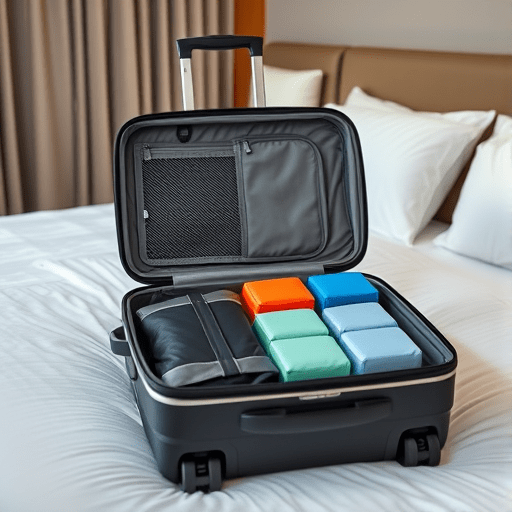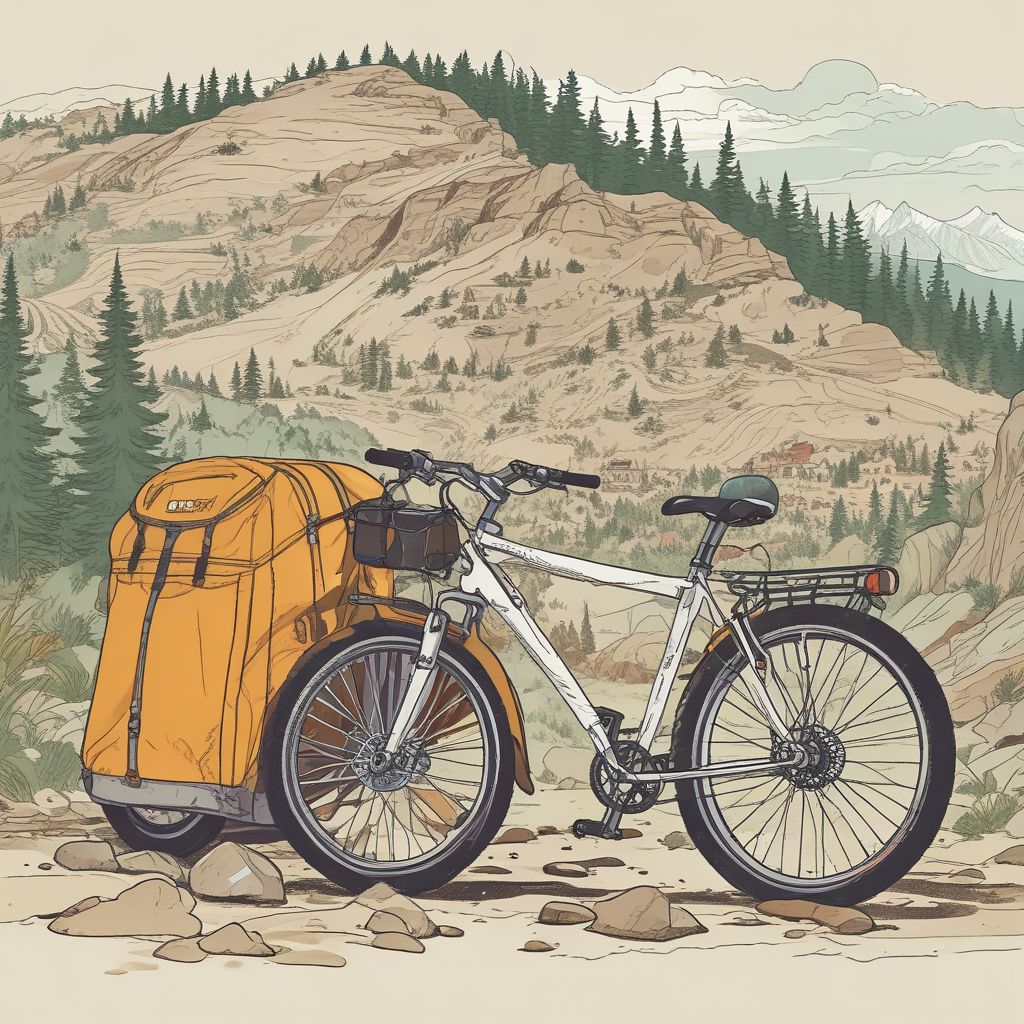
“Rent, Ride, Repeat” is the straightforward strategy for road-trippers who want to backpack light and go further: use trusted local gear rentals for bikes, tents, and kayaks so you can avoid hauling bulky equipment, reduce trip costs, and funnel support to regional outfitters. This guide shows how to plan, where to find mapped rental hubs across the country, what to pack instead of bringing gear, and how to keep your adventure safe, sustainable, and simple.
Why choose local gear rentals for road trips?
Renting locally changes the math of road-tripping. Instead of squeezing tents, bikes, and paddle gear into every storage nook, borrow high-quality, purpose-ready items near the trailhead or launch. Benefits include:
- Lower fuel and vehicle wear because you pack less and avoid roof racks.
- Access to specialty equipment (fat bikes, lightweight tents, guided kayak tours) without the purchase price.
- Economic and ecological wins—local outfitters earn direct support and fewer long-haul shipments reduce emissions.
- Opportunity to test equipment you might later buy, tailored to local conditions and terrain.
Map of rental hubs: where to rent what
Below are region-by-region rental hubs and the gear they’re known for—use them as a starting point when plotting a road trip that pairs routes with ready gear.
Pacific Northwest
- Portland, OR — Bike rentals (road, gravel, e-bikes) and ultralight backpacking tents; ideal for Columbia River Gorge and Mount Hood loops.
- Seattle to San Juan Islands — Kayak and SUP rental hubs with shuttle services for island launches.
Rocky Mountains & Intermountain West
- Moab, UT — Mountain and fat-bike rentals, plus desert-specific camping rigs for slickrock routes.
- Salt Lake City & Park City, UT — Backcountry-capable tents and mountaineering packs; kayak rentals on nearby reservoirs.
Southwest
- Sedona & Flagstaff, AZ — Mountain bikes, guided e-bike tours, and lightweight two-person tents for desert nights.
- Lake Powell area — Kayak and canoe rentals for multi-day water routes and canyon paddling.
Southeast
- Asheville & Chattanooga — Multi-discipline outdoor shops offering bike, raft, and kayak rentals for river and trail networks.
- Florida Keys — Saltwater kayaks and SUP rentals aimed at eco-tours and coral-view paddles.
Northeast
- Burlington, VT & Adirondacks, NY — Backcountry tent rentals, canoe/kayak outfitters, and bike shops that support multi-day trail itineraries.
- Coastal Maine (Portland, Rockland) — Kayak rentals with local tide expertise and guided island trips.
How to plan a Rent, Ride, Repeat road trip
Planning is the secret to smooth gear handoffs and stress-free travel. Use these steps:
- Map your route first, then identify rental hubs near overnight stops or trailheads.
- Reserve gear in advance—popular hubs book out on summer weekends and holidays.
- Confirm the specifics: pickup/dropoff hours, helmet/paddle inclusion, damage deposits, and each outfitter’s cancellation policy.
- Ask about shuttle options for bikes or boats; local outfitters often coordinate transport so you don’t have to backtrack.
Packing light: what to bring instead of big gear
Replace heavy, bulky items with compact, multi-use alternatives while still packing for comfort and safety:
- Carry a lightweight, compressible sleeping quilt or insulated liner if tents are rented sporadically.
- Use a small daypack with raincover for gear you’ll keep; leave full-size backpacks at home when renting tents and packs locally.
- Bring personal essentials—sleeping pad if preferred, personal hygiene kit, active layers, and a lightweight repair kit for rented bikes.
- Pack digital copies of reservations, local contacts, and ID; many rentals require verification at pickup.
Supporting local outfitters and safety considerations
Local businesses are the backbone of experiential travel; supporting them preserves access and local knowledge. Follow these best practices:
- Tip guides and return gear clean and on time—small courtesies create lasting partnerships.
- Buy route maps, fuel, or small supplies from the outfitter: it’s a direct way to sustain services in rural areas.
- Review insurance and damage policies; consider short-term rental insurance or add-ons if you’ll ride technical trails or paddle rough water.
- Check weather, water levels, and trail conditions with the outfitter before departure; seasonal hazards vary widely regionally.
Apps, tools, and etiquette
Make technology work for simplicity and stewardship:
- Use route planning apps that let you layer rental hubs and parking spots so pickups align with daily mileage.
- Download offline maps and save outfitter contact info to your phone in case cell coverage drops.
- Respect local rules—leave no trace, follow river access guidelines, and observe trail signage to keep rental options open for future visitors.
Sample 5-day Rent, Ride, Repeat itinerary
Here’s a quick example that combines road miles with rental flexibility:
- Day 1: Drive to hub town, pick up gravel bikes, ride 25–40 miles on mapped scenic roads, overnight in town.
- Day 2: Drop bikes at next hub, drive to lake, pick up kayaks for an afternoon paddle and camp at lakeside campground.
- Day 3: Rent lightweight tent and daypacks for a short backpack to a scenic ridge; return to town and support local restaurant.
- Day 4: Rent e-bikes for a longer loop; enjoy a guided tour that highlights local conservation efforts.
- Day 5: Return all gear, buy a small souvenir or map, and head home with minimal gear and maximal memories.
Rent, Ride, Repeat transforms a road trip from a logistical chore into a flexible exploration model: less loading, more local flavor, and tailored experiences that shift with the terrain and season.
Ready to ditch the roof rack and chart a lighter, richer road trip? Start by mapping rental hubs along your route and booking your first pickup—then let local experts guide the rest.