The ocean-plastic social enterprise model is proving that environmental stewardship and economic opportunity can be powerful partners: by turning marine debris into sellable products and pairing that manufacturing pipeline with tech apprenticeships, coastal communities gain both cleaner shores and career pathways into the digital economy. This article explores how one scalable approach links collection, upcycling, and digital training to produce measurable outcomes in plastic removal and sustained employment for underserved youth.
The twin crises: marine plastic and limited coastal opportunity
Coastal communities disproportionately shoulder the burden of ocean plastic and limited access to formal employment. Small-scale fishing, tourism, and informal economies are often seasonal and low-paying, leaving many young people without the skills to pursue remote or technology-based jobs. At the same time, marine debris—ranging from single-use plastics to abandoned fishing gear—creates environmental, health, and economic costs that undermine local livelihoods.
How the social enterprise bridges the gap
The model centers on three integrated pillars: collection & processing, product design & sales, and tech apprenticeship training. Each pillar reinforces the others to create a circular, measurable program.
1. Collection and processing
- Local collection networks recruit fishers, beach-clean teams, and community volunteers to gather marine plastic.
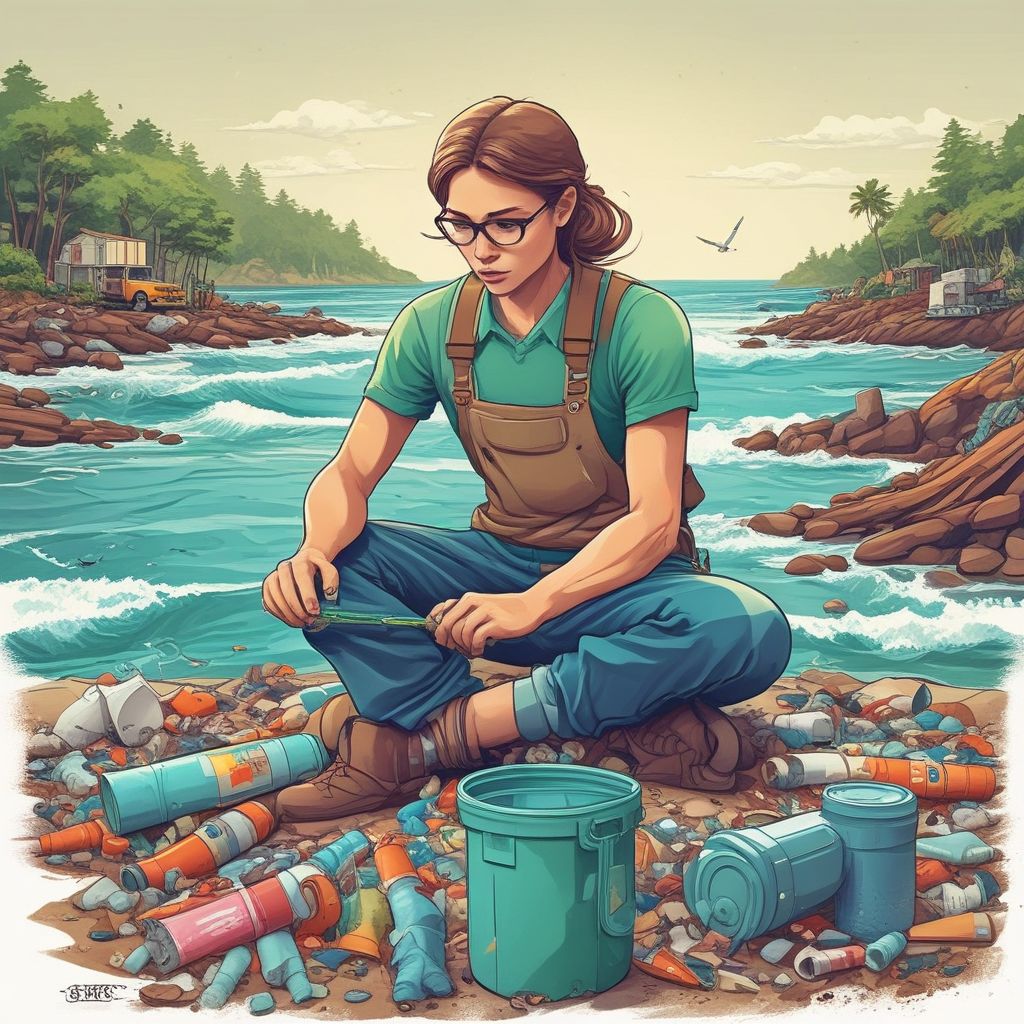
- Collected materials are transported to community processing hubs where they’re sorted, cleaned, and prepared for upcycling—removing non-plastic contaminants and separating polymers for consistent quality.
- Processing yields feedstock for manufacturing: pellets for injection molding, filament for 3D printing, or shredded composite for furniture and building materials.
2. Product design and market integration
Design teams collaborate with local artisans and industrial designers to create products that reflect coastal narratives—everything from durable outdoor furniture to lifestyle accessories and 3D-printed household goods. Revenue channels include direct-to-consumer e-commerce, wholesale partnerships, and tourism retail outlets. Crucially, sales fund training stipends and equipment maintenance, creating a financial feedback loop.
3. Tech apprenticeships for coastal youth
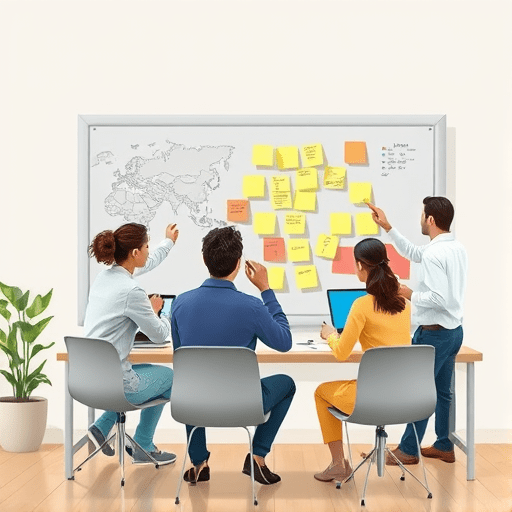
Apprenticeships are structured as short, intensive bootcamps followed by paid internships embedded in the enterprise’s operations. A typical curriculum blends:
- Foundational digital skills: basic computer literacy, Google Workspace, and remote work best practices
- Coding and web development: HTML/CSS, JavaScript, and low-code tools for rapid employability
- Digital design and fabrication: CAD for product design, 3D printing operation, and CNC basics
- Digital marketing and e-commerce: social media, SEO basics, product photography, and order fulfilment
- Professional development: resume building, interview prep, and remote collaboration tools
Measuring success: environment plus employment metrics
Accountability distinguishes effective enterprises. Key performance indicators typically include both environmental and employment outcomes:
- Plastic removed (tons/year): tracked by collection logs and weight-based audits at hubs.
- Product output and sales revenue: monthly manufacturing yields and gross sales that cover operational costs and training stipends.
- Apprenticeship placement rate: percentage of graduates obtaining paid internships or formal jobs within six months.
- Income uplift: average wage increase for apprentices compared with pre-program earnings.
- Retention and career progression: proportion advancing to mid-level tech or design roles within 12–24 months.
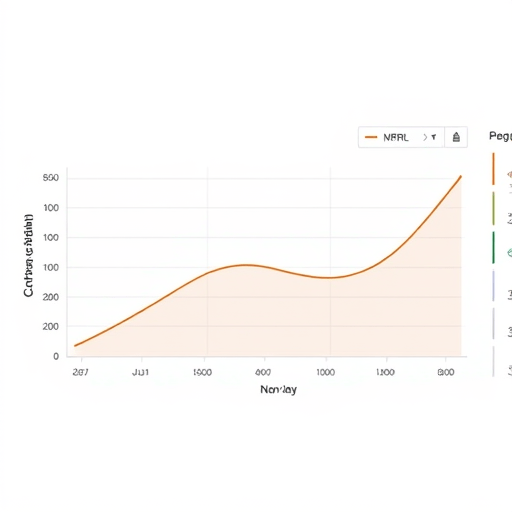
For example, an enterprise that removes 30 tons of marine plastic annually while placing 40 apprentices in paid roles will present a compelling social return on investment to donors and commercial partners. Transparent dashboards and third-party audits strengthen credibility when reporting these outcomes.
Partnerships that unlock scale
Scaling this hybrid model depends on a diverse partner ecosystem:
- Local governments and coastal authorities for access, permitting, and workforce referrals
- NGOs and environmental groups for training in safe collection and community outreach
- Tech companies and remote employers for curriculum validation, mentorship, and hiring pathways
- Design schools, maker spaces, and universities for curricular co-creation and certification
- Impact investors and ethical brands for pre-purchase commitments and working capital
Challenges and practical solutions
There are predictable frictions when merging manufacturing and tech training in resource-strapped regions:
- Contamination and inconsistent feedstock are solved with rigorous sorting protocols and small-scale polymer testing equipment to grade materials for specific product lines.
- Quality control for upcycled products requires iterative prototyping and standard operating procedures for fabrication—often taught as part of the apprenticeship.
- Digital access barriers (connectivity, devices) are mitigated by creating community learning hubs with reliable internet and shared hardware.
- Market volatility is addressed by diversifying product lines (consumer goods, B2B building materials) and establishing subscription or corporate procurement contracts.
A day in the life: apprentice to paid professional
Consider Maya, a 20-year-old from a coastal town who joined a 12-week apprenticeship. Morning sessions focused on web development and remote work best practices, while afternoons rotated through the processing hub learning CAD and additive manufacturing. After graduation she took a paid role managing online product listings and running remote customer support—doubling her monthly income and mentoring new apprentices in her free time. This composite vignette captures how hybrid skills create resilient career trajectories beyond seasonal work.
Designing for long-term impact
Sustainable impact requires thinking beyond initial metrics. Certification programs that validate digital and fabrication competencies, alumni networks for ongoing mentorship, and revenue models that allocate a percentage of profits to a training endowment help ensure long-term viability. Additionally, embedding circular design principles—repairability, modularity, and local material inputs—keeps production resilient and locally anchored.
With careful measurement and adaptive governance, ocean-plastic social enterprises can convert environmental cleanup into credible pathways for digital employment, turning waste into workforce in both literal and metaphorical senses.
Conclusion: By integrating marine plastic upcycling with structured tech apprenticeships, social enterprises can create measurable wins for the environment and coastal youth—removing debris, producing saleable goods, and launching real careers in the digital economy.
Get involved: learn more, support a local program, or apply to an apprenticeship today.