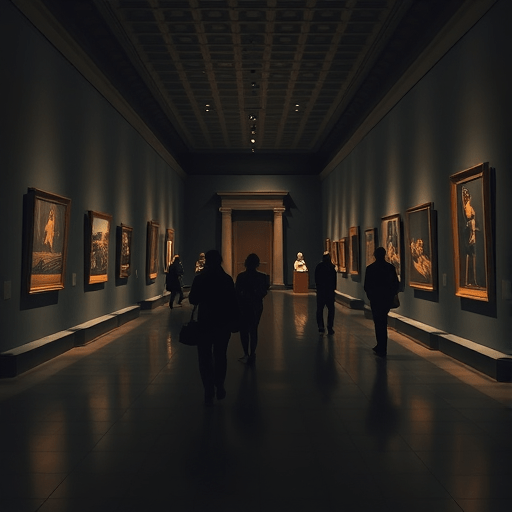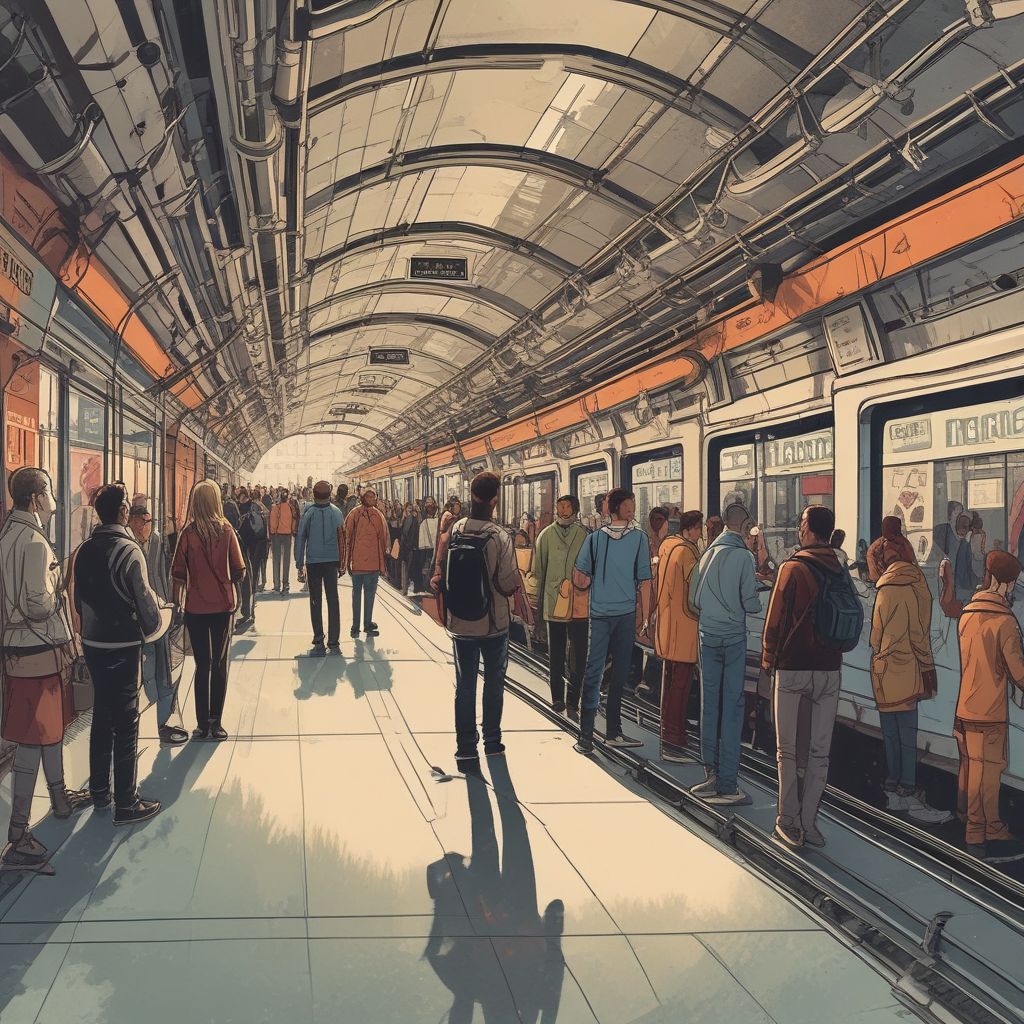
The phrase “Underground Orchestra” names a new way of walking a city: listening. This audio-forward approach uses transit soundscapes—buskers, PA announcements, train rhythms, tile echoes, and platform chatter—as the primary map for exploration. By tuning into these acoustic layers you can hear what a place values, how it moves, and where surprising stories hide between arrivals and departures.
What makes a transit station an orchestra?
Stations are acoustic ecosystems. Architectural materials, crowd density, scheduling cadence, and human performers combine to form repeating motifs and spontaneous improvisations. Some stations sing with the metallic percussion of rails; others hold long reverberations that turn footfall into a low drum. PA systems, multilingual announcements, and the local busker circuit act like brass, strings, and soloists—each contributing to a city’s sonic identity.
Why listen first?
- Reveal character: A city’s sound tells you about its pace, demographics, and social rituals faster than a guidebook.
- Find micro-narratives: Repeat performers, distinctive announcement voices, and market calls hint at local histories.
- Slow travel: Listening encourages attention and presence—turning transit time into discovery time.
How to experience an Underground Orchestra: a practical audio-walk
Design a one- to three-hour walk that connects stations chosen for contrasts: architecture, crowd, function, and busker presence. The following template helps you curate a memorable listening route.
Route template (90–120 minutes)
- Station A — The Portal: Start at a central hub with layered announcements and frequent service; listen for rhythm and cadence.
- Station B — The Acoustic Interior: Move to a cavernous or tiled station; close your eyes and note reverberation, footsteps, and echoes.
- Station C — The Street Interface: Exit to a tram or bus stop where outdoor and indoor sounds blend; observe how announcements meet street noise.
- Station D — The Local Stage: Finish at a station known for buskers or vendors; focus on human performance and ambient conversation.
Listening checklist
- Identify three repeating sounds at each stop (e.g., train brakes, ticket machines, a vendor’s call).
- Note one surprising sound that transforms your sense of the place.
- Record short audio snippets (10–30 seconds) for later reflection—if permitted.
Gear & apps: what to bring
- Smartphone with a good voice-memo app (or a portable field recorder for higher fidelity).
- Comfortable earbuds—prefer open-back or ambient-friendly models so you still hear the environment.
- Offline map app and a simple timer to structure listening sessions at each station.
- Optional: a small notepad or note app to jot impressions—sound evokes memory best when paired with a word or phrase.
Techniques for better listening
- Focused listening: Spend the first minute identifying foreground sounds, the second minute the mid-ground, and the third the background.
- Comparative listening: After two stations, compare the dominant textures—mechanical vs. organic, echoey vs. dry.
- Temporal listening: Sit through a whole arrival/departure cycle to hear how rhythms structure human movement.
Curating your own Underground Orchestra audio walk
Turn a listening session into a shareable audio walk by following these steps:
- Scout and document stations for sonic variety (record short samples and take photos).
- Sequence stops to create contrast and narrative flow—think of it like composing movements in a suite.
- Edit short clips and add minimal captions or time-stamped notes (avoid overproducing; raw audio preserves authenticity).
- Host the walk on an audio platform or map app with timestamps and minimal text directions for listeners.
Ethics, permissions, and safety
Listening and recording in public transit spaces comes with responsibilities. Always respect performers—ask before recording a busker’s full set if you intend to publish. Follow station rules; some systems prohibit recording or commercial use without permission. Prioritize safety: stay aware of your surroundings, keep valuables secure, and avoid blocking passenger flows while you listen or record.
Sample listening prompts to deepen the walk
- Count the number of different announcement voices and the languages used; what does that suggest about the neighborhood?
- Listen for rhythm patterns created by trains—are they steady, syncopated, or irregular?
- Identify one sound that would be impossible to hear living somewhere else; what makes it unique?
Putting sound back into the city
As transit systems modernize, acoustics change: new materials, quieter trains, and digital announcements alter a city’s chorus. Recording and sharing transit soundscapes preserves vanishing textures and invites communities to listen critically about how infrastructure shapes experience. An Underground Orchestra isn’t just art; it’s cultural preservation and a new mode of civic empathy.
Whether you’re a traveler, a commuter, or a curious local, structuring a walk around sound transforms ordinary journeys into meaningful encounters. The Underground Orchestra reframes stations as listening rooms—each with its own movements, themes, and soloists waiting to be noticed.
Ready to hear your city differently? Step onto the platform, put away the map for a while, and let the Underground Orchestra guide you.