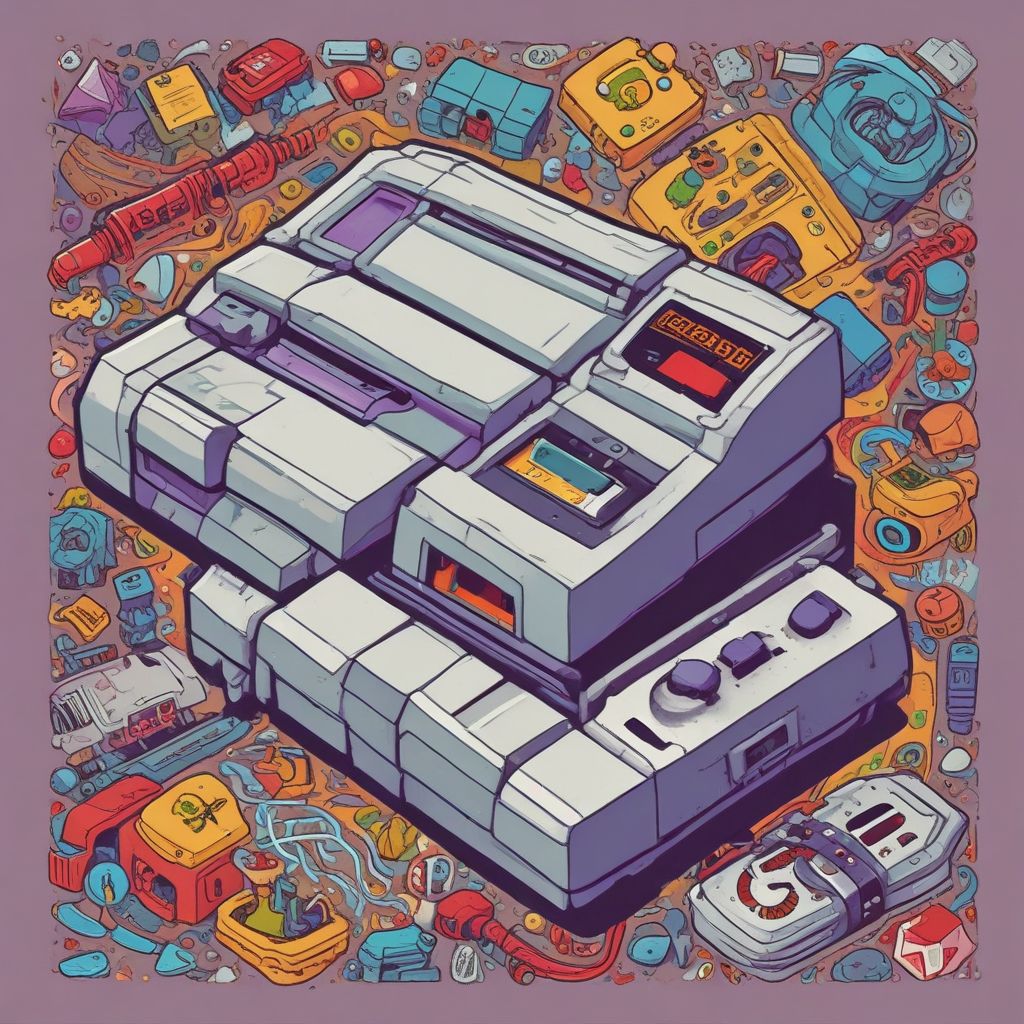
The Lost Cartridge: How an Obscure 1992 SNES Prototype Predicted Modern Indie Platformers reads now like a small miracle in game archaeology — a recovered ROM whose code, level design and developer notes contain ideas that echo through contemporary indie platformers. When a dusty cartridge surfaced in a collector’s estate sale, the ROM dump that followed became a roadmap to design decisions decades ahead of their time: precision controls, layered secrets, emergent traversal, and a design ethos that values player skill and narrative compactness equally.
How the cartridge was found and why it matters
The story begins with a gray, unlabeled SNES cartridge discovered among family photos and tax receipts. Hobbyists dumped the ROM, posted the binary to preservation forums, and within days hardware hackers had extracted a text patch: a folder of handwritten developer notes and sprite sheets embedded in the cartridge’s spare memory banks. That metadata turned the find from a curiosity into a primary source for historians and designers curious about how play systems evolved.
Context: 1992, SNES development environment
The prototype was likely developed on a boutique Super Famicom dev kit: constrained CPU time, tight memory budgets, and a palette limited to 256 colors. Those constraints forced creative compression and design choices that, ironically, produce lessons still prized by indie teams: pare down, prioritize clarity, and lean on gameplay loops that reward mastery rather than spectacle.
Developer notes: a blueprint for modern mechanics
Scattered in the ROM were short notes (typed and occasionally scrawled) that reveal intent more than implementation. Key excerpts read like design mantras:
- “Make every input meaningful — buttons should resolve into distinct outcomes.”
- “Momentum persists across tiles; feel of motion is the game.”
- “Small levels, big decisions: players should understand a room in one glance and still be surprised.”
Those three ideas map directly to contemporary indie platform design: precise, consistent controls (Celeste-style input certainty), momentum-based traversal (echoed in many modern metroidvanias), and compact rooms that host emergent puzzles and secrets (a staple of roguelite and puzzle-platform hybrids).
Gameplay mechanics that anticipated later trends
Examining the ROM’s code and sprite data revealed a set of mechanics unusual for mainstream SNES titles in 1992 but common to today’s indie favorites.
1. Variable jump and input buffering
Where many early platformers offered binary jumps, the prototype included variable jump heights and a small input buffer window that accepted late jump presses — a precursor to the “feel-first” approaches used by modern precision platformers to make controls forgiving without removing challenge.
2. Wall interactions and soft momentum
The prototype implements a wall-slide mechanic with configurable friction and a wall-jump that conserves a portion of horizontal velocity. This gives players a real sense of momentum and emergent movement options, which are now hallmarks of high-skill indie platformers.
3. Micro-level procedural elements
Instead of fully random levels, the ROM used seeded micro-variations: enemy start positions, collectible placement offsets, and subtle tile swaps that changed routes through a room. This “deterministic variation” grants replayability while keeping design readability — an idea later refined into today’s roguelite design patterns.
4. Environmental tools and layered puzzles
Embedded object scripts show early versions of grappling hooks and vehicle-like physics for environmental objects, used not as permanent power-ups but as context-specific tools. Designers of indie games have adopted similar patterns: tools that change how a room is approached rather than permanently buffing the player, enabling rich level design inside small spaces.
Design philosophy: compactness and emergent narrative
Beyond mechanics, the developer notes emphasize compact storytelling. Text fragments suggest an intent to convey mood through set pieces and player action rather than long cutscenes. This economy — telling character and world through a short interactive beat — is a narrative device adopted widely by indie teams constrained by small teams and short development cycles.
Playable moments as storytelling
The prototype favors scenes that teach through failure and discovery: a broken bridge the player must rebuild by manipulating physics, or a solitary NPC that moves only when the player performs a precise dash. Those moments are the building blocks for the “show-don’t-tell” narrative that many independent platformers now rely on.
Tracing influence: from attic to indie studios
How did a prototype from 1992 “quietly inspire” modern games? The ROM’s leak created a feedback loop: preservationists documented mechanics, indie designers experimented with the ideas, and several public postmortems referenced the prototype’s approaches to variation and momentum. Even when not cited directly, the prototype’s mechanics entered collective design thinking through shared code snippets, prototype forks, and academic write-ups on play feel.
- Open-source projects borrowed the deterministic variation system for room-based roguelites.
- Control-testing routines from the ROM influenced how teams tuned jump arcs and wall friction during early prototyping sessions.
- Design brief excerpts from the ROM circulated in game design courses as an example of constraint-driven creativity.
What modern developers can learn from the prototype
There are three practical takeaways for today’s creators:
- Design under constraint: limitations can force decisions that sharpen gameplay focus.
- Prioritize “feel”: small windows of input buffering and momentum preservation make tight platforming satisfying.
- Use deterministic variation: repeatable but varied encounters increase replayability without sacrificing intentional design.
Preservation and ethics
Recovering and studying vintage prototypes raises legal and ethical questions: who owns an unfinished work, and how should it be shared? The community consensus around this ROM favored archival access with credit and contextualization rather than commercialization — a stance that balanced historical value with respect for the original creators.
Whether the original team intended to reinvent platforming or merely solve technical constraints is less important than the way their choices ripple forward: good design is a conversation across time, and this lost cartridge is a surprising early voice that still speaks to creators today.
Conclusion: The lost 1992 SNES prototype is more than a curiosity; it’s a compact design manifesto that predicted many ideas now central to indie platformers — tight controls, momentum-based traversal, deterministic variation, and concise, emergent storytelling. Studying such artifacts helps today’s developers refine what truly matters in play.
Enjoyed this dive into gaming archaeology? Explore the ROM dump and developer notes, and try prototyping one of the mechanics described for your next jam.