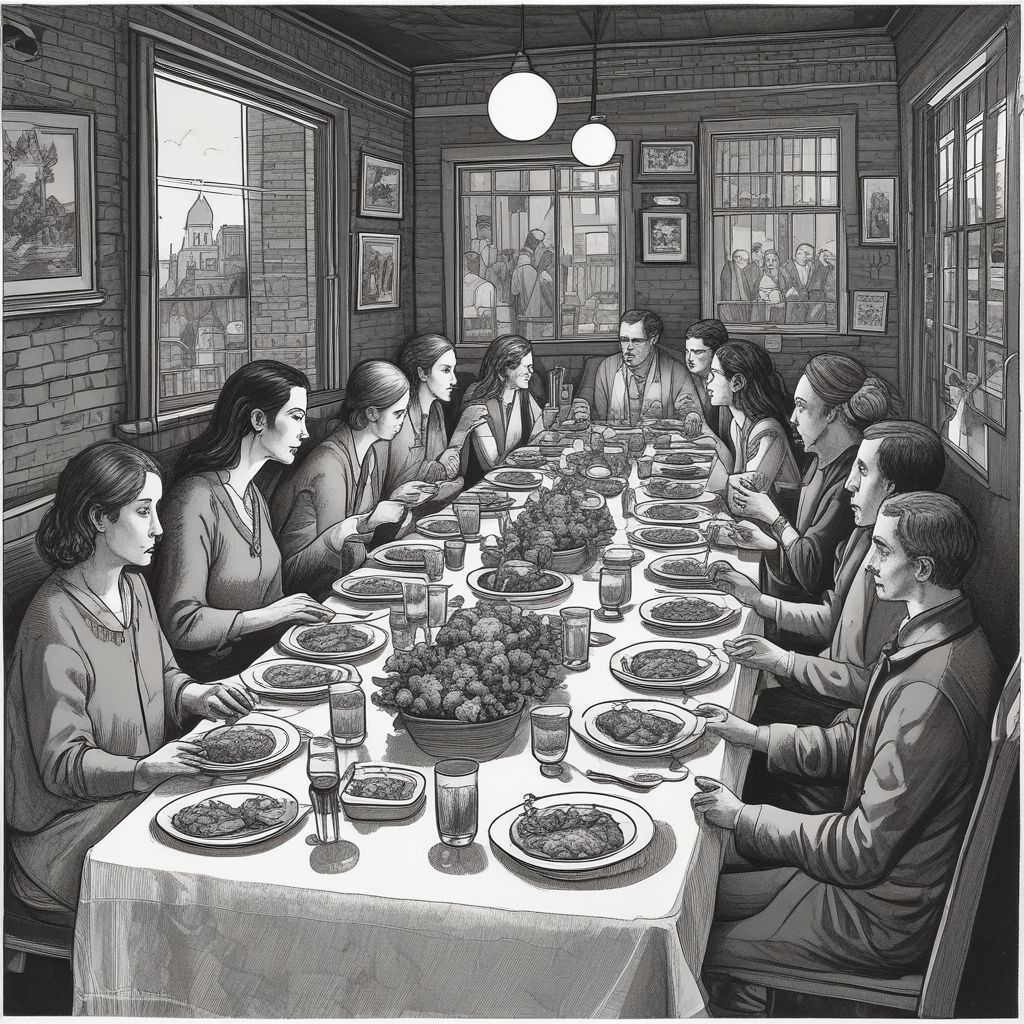
Supper Without Signs refers to the soft, word‑of‑mouth world of home‑hosted midnight meals—intimate, often unpaid nights where neighbors and visitors share food, stories, and the after‑hours pulse of a city. These gatherings are less about exclusivity and more about trust, reciprocity, and the local flavors that don’t appear on restaurant menus. This guide explains how to respectfully find, join, and support these underground night feasts while protecting hosts, honoring culture, and keeping safety front of mind.
What Are “Supper Without Signs”?
Think of a supper club that lives under the radar: kitchens turned into communal tables, the aroma of slow‑cooked stews drifting down a quiet street, and strangers becoming friends over late plates. These events vary widely—some are neighborhood potlucks, some are curated menus by home cooks, and others are pop‑up style collaborations where sharing the evening is the point rather than profit.
Why They Matter to Local Food Culture
- Preserve traditions: Home cooks keep recipes and rituals alive that never make it to mainstream dining.
- Build community: Regulars and newcomers form cross‑sectional social networks, bridging language and class divides.
- Offer authenticity: They reveal the real after‑dark tastes of a city—the late small plates, the off‑menu specialties, the conversation starters.
Finding Secret Suppers Without Breaking Trust
There’s an art to discovering these gatherings without outing or exploiting them.
Routes to discovery
- Word of mouth: Speak with local bartenders, shopkeepers, and cultural organizers—they often know the regulars.
- Community noticeboards: Language schools, community centers, and places of worship sometimes host or promote discreet supper nights.
- Local food forums and closed groups: Private social media circles and forum threads can connect you—respect the group rules and avoid public broadcasting.
- Volunteer networks: Joining neighborhood volunteer initiatives is a low‑pressure way to meet hosts.
How to Ask to Join—Respectfully
When requesting an invitation, be brief, polite, and transparent about your intentions.
- Introduce yourself with name, how you heard about the supper, and any mutual connections.
- Mention dietary restrictions and whether you can contribute—a dish, a bottle, or help with cleanup.
- Offer reassurance about discretion (no photos posted without permission) and a willingness to follow house rules.
Example message: “Hi—my name is Maya, a friend of Lina’s from the bakery recommended your supper. I’d love to attend on Saturday if you have space; I’m happy to bring dessert and I’m allergic to shellfish. I respect your house rules and won’t post photos without permission.”
Etiquette at the Table
- Arrive on time: Late arrivals can disrupt small gatherings.
- Offer to help: Ask to set the table, pour drinks, or clear plates.
- Ask before photographing: Many hosts prefer privacy—ask permission and honor refusals.
- Be mindful of conversation: Avoid hot political debates unless the host signals openness; listen more than dominate.
- Respect space: Treat the home as you would a private dining room—not a public event.
Supporting Hosts Sustainably
These meals are often labor‑intensive and economically delicate—support them thoughtfully.
- Offer money discreetly: If a host accepts contributions, hand cash quietly or offer to cover groceries afterward.
- Bring locally sourced items: A fresh loaf from a neighborhood baker or vegetables from a local market helps keep money in the community.
- Volunteer skills: Help with setup, dishwashing, translation, or event promotion if requested—skills can be more valuable than money.
- Respect limits on publicity: Ask hosts how they prefer to be supported online and never reveal details that might put them at risk.
Safety, Legalities, and Boundaries
Some important practical reminders to protect both guests and hosts:
- Health and allergies: Always disclose allergies ahead of time; wash hands and follow host food‑safety requests.
- Legal considerations: Depending on local laws, unlicensed public dining or selling food from a home can be regulated—avoid pressuring hosts to monetize or advertise events.
- Consent and comfort: If anything makes you uncomfortable, speak privately with the host or leave discreetly; hosts may also set attendance caps for safety.
What to Bring (A Short Checklist)
- Small contribution (bottle, dessert, or cash)
- Clear note listing ingredients if bringing food
- Neutral, comfortable attire suitable for a home
- Positive attitude and curiosity
- Respectful phone behavior—silence or airplane mode unless permitted
Stories That Sustain Night Feasts
Part of supporting these traditions is amplifying their value without exposing them: share the cultural lessons—how a dish is made, an ingredient’s role, or the communal ritual—without naming addresses or hosts. Consider writing about the experience in abstract terms, donating to community funds, or helping build safe, local infrastructure that allows hosts to gather legally and sustainably.
When in doubt, make choices that protect home cooks and their neighbors: privacy, reciprocity, and respect are the pillars that keep these midnight tables alive.
Conclusion: Supper Without Signs are intimate windows into a city’s living cuisine—approach them with curiosity, humility, and a readiness to give back rather than take. Join slowly, contribute meaningfully, and always protect the people who open their homes.
Ready to discover a city’s hidden supper scene? Start by asking a friendly local this week and offer to bring something simple to share.