When a modernizing team decides to replace a monolithic REST backend with a GraphQL service powered by Apollo Federation, the biggest challenge is keeping the public-facing APIs online. This article walks through a practical workflow that preserves uptime, minimizes risk, and delivers the new GraphQL layer without interrupting users. By leveraging Cloudflare Workers as a runtime gatekeeper, we can orchestrate parallel runs, data validation, and gradual traffic steering—all while the old REST services continue to serve requests.
Why 0‑Downtime Matters for Modern API Portfolios
Legacy REST services often underpin critical business flows, from e‑commerce checkout to real‑time dashboards. A brief outage can ripple through downstream systems, trigger SLA penalties, and erode customer trust. Migrating to GraphQL Apollo Federation introduces new schemas, resolvers, and data fetch patterns. If the migration were to involve a classic cutover, even a single minute of unavailability could cascade into significant revenue loss. The 0‑downtime strategy therefore addresses:
- Continuous service availability during refactor.
- Incremental risk exposure—only a subset of traffic is redirected at any time.
- Real‑time monitoring of traffic and error rates across both stacks.
- Rollback safety, with a simple switch back to the REST layer if issues arise.
Architecture Overview: Cloudflare Workers + Apollo Federation + Legacy REST
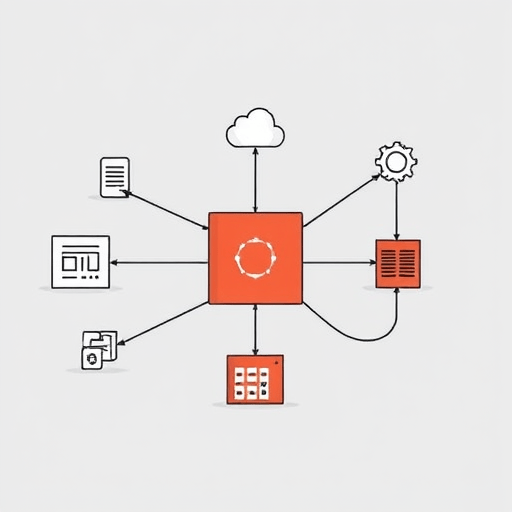
At the heart of the migration is a Cloudflare Worker acting as an edge router. The worker receives every incoming request, then decides whether to forward it to the legacy REST backend or to the new GraphQL federation gateway. The decision is based on a feature flag and a traffic‑shifting percentage. In the background, the GraphQL gateway, built with Apollo Federation, pulls schema definitions from microservice subgraphs and orchestrates resolver data fetches. The worker’s lightweight runtime allows us to update routing rules on the fly without redeploying core services.
Step 1: Extract and Version Your Existing REST Endpoints
Begin by documenting every endpoint that will be migrated. For each:
- Capture the request and response payloads.
- Define the GraphQL type that will represent the data.
- Version the REST endpoint as a new GraphQL operation while preserving the old path.
Use automated tools like Swagger or Postman to generate the OpenAPI spec, then feed that spec into a schema‑generation script. The script creates provisional GraphQL types that mirror the REST responses, ensuring the new GraphQL layer can return exactly the same data before you implement custom resolvers.
Step 2: Spin Up a Pilot GraphQL Subgraph
Next, build a minimal Apollo subgraph that exposes the newly generated types. Implement a data source that simply forwards the original REST call. This proxy subgraph lets you validate that the GraphQL gateway can correctly translate the old REST responses into the GraphQL shape without any business logic changes.
Deploy the subgraph behind a feature‑flag-enabled endpoint, e.g., /graphql-legacy, and expose it to the same Cloudflare Worker as the new GraphQL gateway. At this point, the worker can route a fraction of traffic to the legacy proxy while keeping the rest on the old REST API.
Step 3: Incremental Traffic Steering with Cloudflare Workers
The Cloudflare Worker contains a simple steering algorithm:
const trafficSplit = 10; // percent
if (Math.random() * 100 < trafficSplit) {
  // Route to GraphQL gateway
} else {
  // Route to legacy REST
}
Deploy the worker with a 10% traffic split. Monitor error rates, latency, and response shape mismatches. If the GraphQL side shows no regressions, bump the split by 10% every week. Because the worker handles the routing logic, you can adjust the split without redeploying the backend services.
Step 4: Implement Data Validation and Schema Pinning
To catch subtle differences early, introduce a validation layer in the GraphQL gateway that pinpoints any data shape deviations between the legacy proxy and the final GraphQL implementation. The validator can log mismatches to a monitoring dashboard. This approach ensures that the GraphQL API delivers the same contract the front end expects.
Simultaneously, pin the Apollo Federation schema in a GitOps repository. Every schema change goes through a review pipeline that validates against the OpenAPI spec. Once approved, the new subgraph is merged and redeployed, guaranteeing that the GraphQL contract never diverges from the original REST definition.
Step 5: Replace the Legacy Proxy with Business Logic
After the validator confirms fidelity, replace the proxy subgraph’s data source with real business logic—direct database calls, caching layers, or third‑party services. Perform the same traffic‑splitting test with the 10% steering rule to compare the new resolver against the old proxy. Once confident, elevate the traffic to 50% and continue the gradual rollout.
During this phase, keep the REST backend running but gradually reduce its load. The Cloudflare Worker can start throttling the REST route as the GraphQL gateway’s confidence increases. When traffic hits 90% for the GraphQL gateway and error rates stay below thresholds, you can safely decommission the legacy REST routes.
Step 6: Deprecate the REST Endpoints Gracefully
When the GraphQL gateway has handled 100% of traffic for a stable period (typically 48–72 hours), retire the REST endpoints. Use a deprecation header or response body to inform clients. The final Cloudflare Worker rule simply forwards all traffic to the GraphQL gateway. At this point, the migration is fully 0‑downtime: the client never experienced an outage, and the new GraphQL API is now the sole entry point.
Monitoring, Observability, and Rollback Strategies
Implement comprehensive observability from day one. Use:
- Cloudflare Analytics for edge metrics.
- Apollo Studio for schema health and request tracing.
- OpenTelemetry exporters that send trace data to a central collector.
Set up alerts on any spike in 5xx errors, increased latency, or schema mismatches. Maintain a rollback plan: if a 1% error rate increase persists over 5 minutes, the worker can instantly redirect all traffic back to the REST backend by adjusting the trafficSplit variable to 0%.
Lessons Learned and Best Practices
- Feature Flags Are Your Friend: Control the traffic split through flags rather than code changes.
- Parallel Runs Reduce Risk: Keeping both stacks alive ensures a live comparison of data quality.
- Schema‑First Development: Generate GraphQL types from REST contracts to avoid shape drift.
- Edge Routing Adds Flexibility: Cloudflare Workers allow you to change routing rules without touching backend code.
- Automate Validation: Continuous schema and data validation catch issues before they reach production.
Conclusion
Zero‑downtime migration from legacy REST to GraphQL Apollo Federation is achievable with a disciplined, edge‑first approach. By incrementally steering traffic through a Cloudflare Worker, validating data against the original contract, and gradually replacing legacy proxies with business logic, teams can modernize their APIs while keeping services online. The workflow not only preserves uptime but also provides robust observability and an easy rollback path, ensuring that the transition is safe, measurable, and fully controlled.