Wristband-Enabled Early Stroke Detection: How Continuous Hemodynamic Monitoring Is Saving Lives
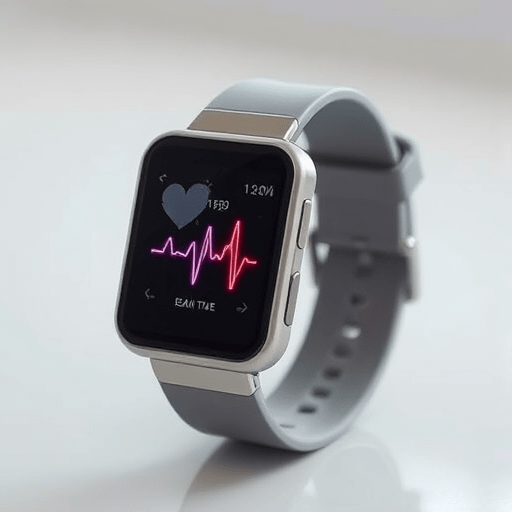
Stroke remains the leading cause of long‑term disability worldwide, yet most victims recognize the first warning signs only after irreversible damage has begun. Wristband-enabled early stroke detection offers a groundbreaking solution: by continuously tracking hemodynamic markers on the wrist, it flags high‑risk patients before clinical symptoms emerge, giving clinicians precious time to intervene.
Understanding Stroke Risk: A Silent Epidemic
While acute stroke care has improved dramatically, prevention lags because many risk factors—hypertension, atrial fibrillation, diabetes, and hyperlipidemia—progress silently. Traditional screening tools, such as blood pressure cuffs and ECGs, capture data at discrete intervals, missing subtle shifts that could signal impending cerebrovascular compromise. This gap is where wearable wristbands step in, providing a real‑time health monitor that never sleeps.
Why Early Detection Is a Game Changer
The key to reducing stroke morbidity is timely intervention. By detecting micro‑hemodynamic changes—like sudden drops in cerebral perfusion or irregular heart rhythms—within minutes, clinicians can administer anticoagulants, perform catheter‑based thrombectomy, or initiate lifestyle modifications before a clot forms or dislodges. Early action can lower stroke incidence by up to 30% in high‑risk populations, according to recent meta‑analyses.
The Technology Behind Wristband Monitoring
Modern wristbands integrate multiple sensors and algorithms to capture a comprehensive cardiovascular profile:
- Photoplethysmography (PPG) – measures blood volume changes to infer heart rate and pulse wave velocity.
- Electrocardiography (ECG) – detects arrhythmias, including paroxysmal atrial fibrillation.
- Blood Oxygen Saturation (SpO₂) – tracks oxygen delivery efficiency.
- Skin Temperature & Micro‑Motion Sensors – provide context for autonomic nervous system activity.
- Cloud‑based analytics platforms that apply machine‑learning models to flag abnormal trends.
Data is encrypted and transmitted in real time to a secure dashboard where healthcare providers can review alerts, review trends, and order follow‑up tests or treatments.
Key Hemodynamic Parameters for Stroke Prediction
Continuous monitoring captures a range of physiologic signals that, when interpreted together, yield a high‑confidence risk score:
- Heart Rate Variability (HRV) – reduced HRV correlates with increased autonomic dysregulation and stroke risk.
- Pulse Wave Velocity (PWV) – a marker of arterial stiffness; values above 12 m/s suggest higher cerebrovascular vulnerability.
- Transcutaneous CO₂ (TcCO₂) – elevated TcCO₂ can indicate hypoperfusion.
- Irregular Rhythm Episodes – any undocumented atrial fibrillation event triggers an alert.
- Cerebral Perfusion Index (CPI) – derived from combined SpO₂ and PPG, CPI dips precede ischemic events.
When these metrics cross individualized thresholds—based on age, comorbidities, and genetic markers—the system generates an actionable alert within minutes.
Real-World Case Studies
Case 1: The 68‑Year‑Old Veteran
A retired Army sergeant with a history of hypertension and atrial fibrillation wore a wristband at home. The device flagged a sudden increase in HRV variability and a short atrial fibrillation episode at 02:15 AM. Within two hours, a tele‑consultation was initiated, leading to a rapid adjustment of anticoagulation therapy. Three months later, the patient avoided a potentially disabling stroke.
Case 2: The Remote Community Clinic
In a rural clinic lacking on‑site cardiology, a community health worker used wristband data to monitor ten high‑risk patients daily. Two patients exhibited early CPI dips; prompt referral to a regional hospital prevented two fatal strokes. This case underscores the system’s scalability even in resource‑limited settings.
Challenges & Limitations
Despite its promise, wristband-enabled monitoring faces obstacles:
- Data Overload – Clinicians must sift through large volumes of data; sophisticated triage algorithms help prioritize actionable alerts.
- Device Accuracy – Motion artifacts and skin pigmentation can affect PPG readings; manufacturers continually refine sensor calibration.
- Patient Adherence – Continuous wear is essential; user-friendly designs and clear benefit communication improve compliance.
- Privacy & Security – Robust encryption and compliance with HIPAA/GDPR are mandatory.
Integrating Wristband Monitoring into Clinical Workflows
Successful implementation requires coordinated efforts across technology, clinical staff, and health systems:
- Provider Training – Educate physicians, nurses, and technicians on interpreting dashboards and responding to alerts.
- Electronic Health Record (EHR) Integration – Seamless data flow reduces manual entry errors.
- Patient Education – Empower patients with knowledge about the device’s purpose and how it enhances their safety.
- Quality Assurance – Regular audits of sensor performance and alert accuracy maintain trust.
Future Directions: Toward Proactive Stroke Care
Ongoing research is expanding the wristband’s capabilities:
- Integration of micro‑dialysis sensors for real‑time neurochemical monitoring.
- Predictive modeling that incorporates genetic data, lifestyle factors, and social determinants of health.
- Hybrid systems that combine wristband data with home blood pressure cuffs for multi‑site monitoring.
- Artificial intelligence that learns from large datasets to refine risk thresholds for individual patients.
As these advancements converge, wristband-enabled early stroke detection will evolve from a niche tool to a standard component of chronic disease management.
Takeaway for Patients and Providers
- Patients with hypertension, atrial fibrillation, or a family history of stroke should discuss wristband monitoring with their provider.
- Providers can leverage continuous data to customize anticoagulation regimens and schedule timely interventions.
- Health systems can reduce emergency admissions and improve outcomes by adopting wristband monitoring into preventive care pathways.
Conclusion
Wristband-enabled early stroke detection represents a paradigm shift in cerebrovascular care. By turning passive wristwatch into an active, real‑time sentinel, it bridges the gap between risk and intervention. The result? Lower stroke incidence, reduced disability, and a future where preventable strokes become a rarity rather than a tragedy.
Explore how wristband monitoring can transform stroke prevention in your community today.