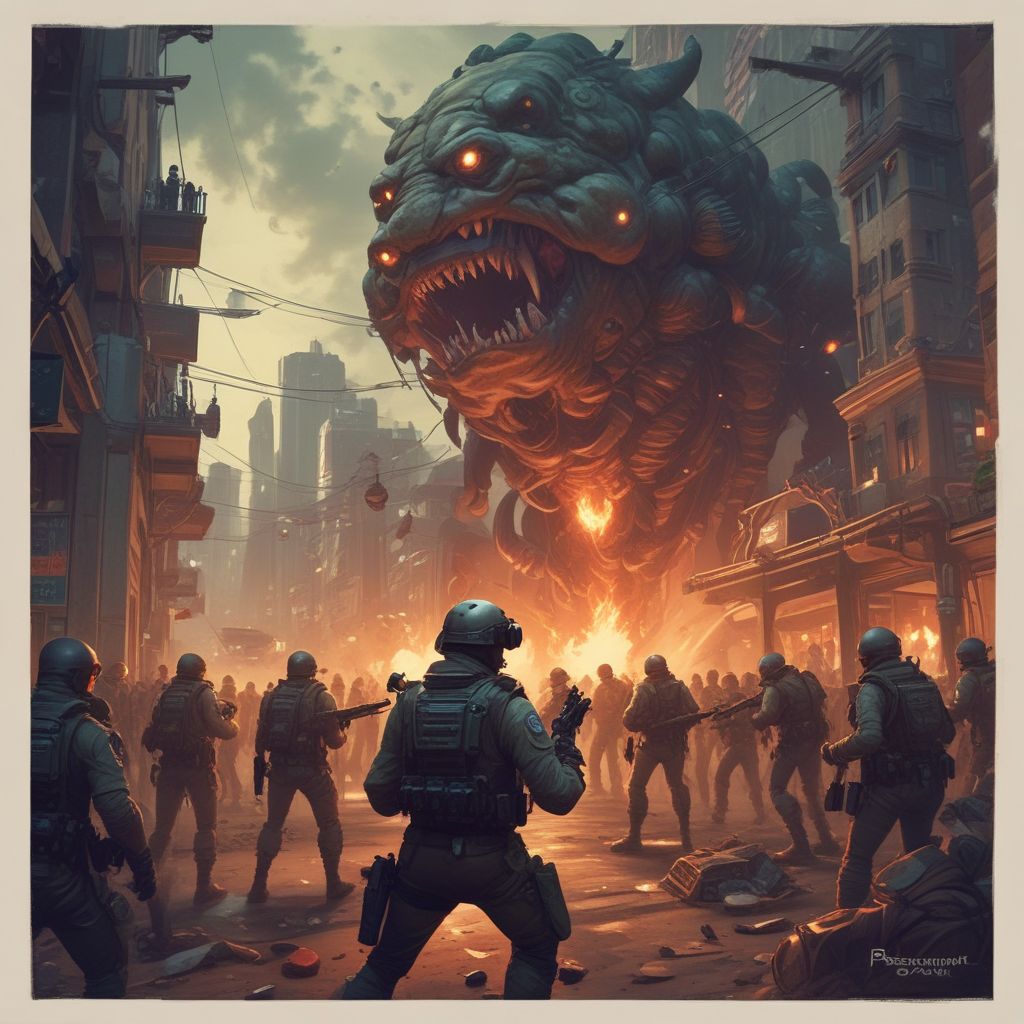
“When Raids Meet Respawns” reframes how hybrid shooters can foster living, breathing worlds by weaving permacamps, player-run economies, and tactical respawn systems into a single political ecosystem. In modern FPS-MMOs, these systems don’t just change gameplay loops—they create stakes, history, and social structures that keep rivalries alive long after the next patch. This article explores concrete design patterns, practical trade-offs, and narrative opportunities for designers who want emergent storytelling born from competitive persistence.
Why Persistence Matters in Hybrid Shooters
Traditional PvP shooters deliver bite-sized moments of tension; MMOs offer long-term investment. Combining the two—fast-paced raids and meaningful persistence—adds emotional weight to every firefight. Players remember the camps they built, the trade routes they lost, and the respawn tactics that cost allies a campaign, producing scars that feed rivalry and lore.
From Moment-to-Moment to Season-to-Season
- Short-term: Tactical engagements and individual skill decide battles.
- Mid-term: Permacamps and territories supply logistic depth across matches.
- Long-term: Economies, reputations, and political alliances persist across seasons.
Core Systems That Seed Persistent Politics
Permacamps: Physical Anchors of Power
Permacamps—semi-permanent outposts controlled by players or factions—turn abstract control points into story-rich locations. They serve as strategic hubs for resupply, crafting, and refuge, and they create tangible goals for raids and sieges. Good permacamp design balances defensibility, resource value, and vulnerability windows so attacks feel meaningful rather than repetitive.
Player-Run Economies: The Invisible Hand of Conflict
Enabling players to control production, trade, and services gives rivalry a material basis. When resources, ammunition types, or vehicle parts are scarce and controlled by player merchants, diplomacy and war acquire real economic consequences. Markets also let non-combat roles thrive—caravans, traders, and smugglers become strategic targets and bargaining chips.
Tactical Respawn Systems: Designing Consequence Without Frustration
Respawn design is critical: it must preserve the fast pace of a shooter while allowing tactical decisions to influence longer-term outcomes. Options include forward-deployable respawn beacons with cooldowns, faction respawn timers tied to territory control, or “respawn penalties” that translate into loss of influence rather than raw time. The goal is to make death meaningful to campaigns without killing the core FPS loop.
How These Systems Interact to Create Political Ecosystems
When combined, these mechanics produce second-order systems where politics and tactics co-evolve. For example:
- Controlling a permacamp grants a faction market access and a respawn anchor, encouraging other groups to raid or diplomatically purchase access.
- Player economies create non-combat leverage: bribes, trade embargoes, and resource denial become tools of statecraft as much as gunfire.
- Tactical respawn rules turn skirmishes into strategic gambits—sacrifices become plausible to retake trade choke points or preserve long-term reputation.
Emergent Rivalry and Storytelling
Rivalries emerge when asymmetric advantages are both achievable and defensible. Persistent camps create “homes” players identify with; economies and respawn rules scaffold motives beyond immediate loot. These systems together let narratives form naturally—raids that are remembered because they toppled a permacamp, or betrayals that shift a trade route’s control for months.
Design Principles for Healthy Persistent Politics
- Meaningful Fragility: Make structures worth defending but possible to dismantle with coordinated effort.
- Multiple Paths to Power: Allow economic, diplomatic, and military strategies to succeed so diverse playstyles matter.
- Clear Signals: Use UI and in-world cues to communicate territorial control, economic pressure, and respawn conditions to reduce player confusion.
- Graceful Failure: Implement comeback mechanics or insurance for players who lose assets so new players are not permanently locked out.
- Actionable Costs: Ensure attacks and defenses carry measurable costs—time, resources, reputation—so choices are meaningful.
Balancing and Technical Considerations
Persistence introduces backend complexity and balance risk. Server authority must reconcile large-scale world state with low-latency FPS combat; sharding and regional instance design can help by localizing persistence. Economically, inflation, resource sinks, and supply chains require active tuning and tools for developers to intervene when player behavior destabilizes markets.
Anti-Griefing and Fairness
Design safeguards: temporary safezones, insurance mechanisms, or graduated penalties for repeated targeting of lone players keep politics focused on groups and structures rather than harassment. Matchmaking and faction onboarding should prevent dominant coalitions from steamrolling newcomers, preserving a cycle of challenge and opportunity.
Practical Implementation Checklist
- Define permacamp lifecycles: build, reinforce, degrade, and raze mechanics.
- Create economic anchors: resource nodes, manufacturing chains, and player services.
- Design respawn rules that scale: local beacons, faction hubs, and campaign penalties.
- Instrument analytics: track control changes, trade flows, and conflict hotspots.
- Build narrative hooks: banners, monuments, killboards, and logs that record history for players.
- Plan moderation and rollback tools for critical failures or exploit remediation.
Case Scenario: The Choke of Yarrow Ridge
Imagine a narrow pass with a permacamp controlling a rare ore node and a respawn beacon. A merchant guild runs caravans through the pass while a warband charges tolls. After a series of coordinated raids using temporary forward respawn beacons, a coalition topples the camp. The new rulers impose higher tolls; a rival faction bankrolls dissent by undercutting prices. Over months the pass becomes a legend—raids, betrayals, and a permanent memorial erected at the site—an emergent narrative born from design choices, not scripted lore.
Measuring Success
Track metrics linked to retention and emergent behavior: repeat attack/defense cycles, persistence of alliances, player-driven trade volume, and narrative artifacts (memorials, leaderboards). Qualitative feedback—player stories and community content—often signals whether the political ecosystem feels alive and consequential.
Designing persistent political ecosystems in FPS-MMOs is an exercise in systems thinking: align permacamps, player-run economies, and tactical respawn mechanics so each amplifies the others and creates stakes that matter beyond a single match. When done well, “When Raids Meet Respawns” becomes less a slogan and more a living world, where every bullet, barter, and respawn ripples through seasons of rivalry and storytelling.
Conclusion: Embrace persistence as a canvas for player politics—build fragile yet valuable structures, enable economic agency, and design respawn systems that reward strategic foresight to create long-lived rivalries and emergent narratives.
Ready to prototype persistent political systems in your next FPS-MMO? Start by sketching a single permacamp, one trade route, and a respawn beacon interaction, then watch the stories emerge.