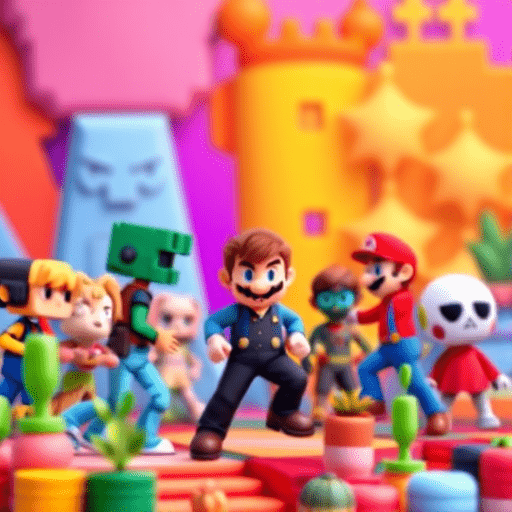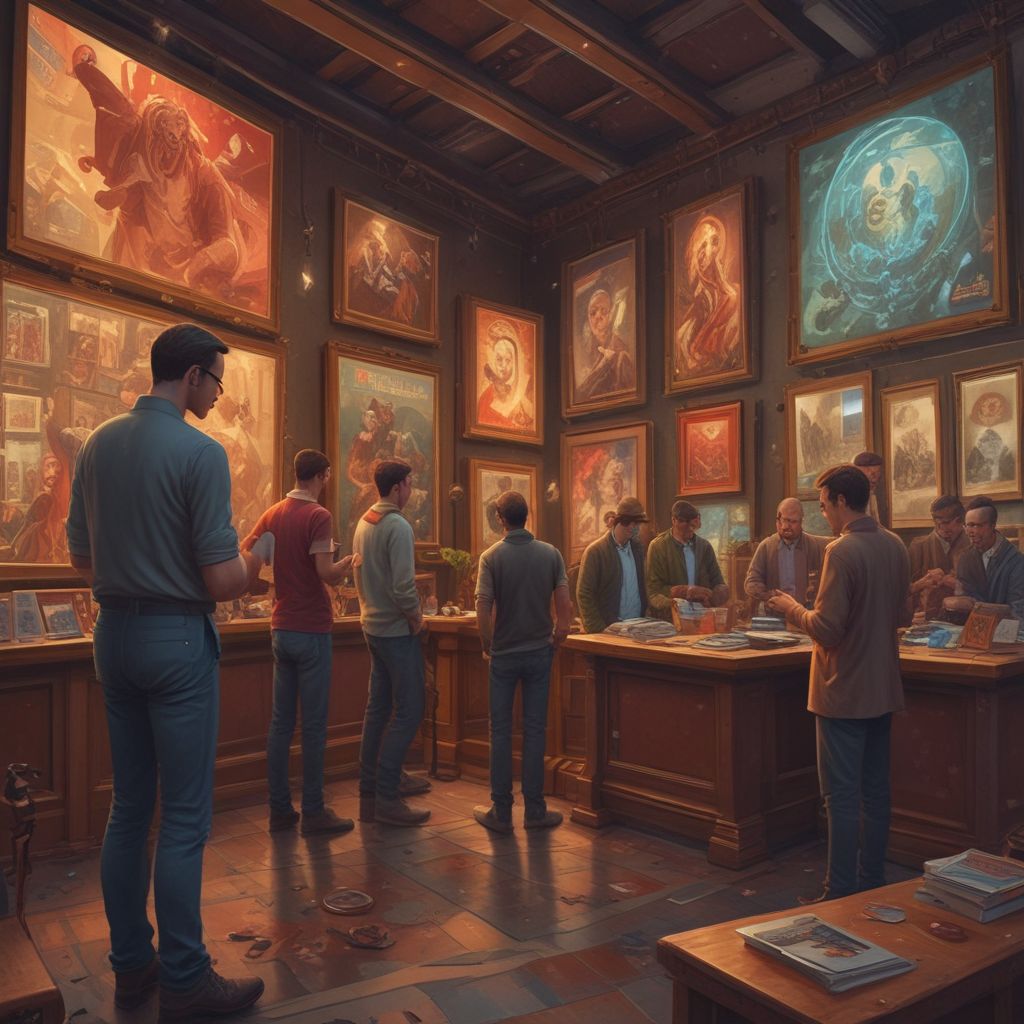
The rise of player-curated game museums marks a turning point in how communities preserve play: when fans become curators, they build virtual exhibits and grassroots archives that rescue forgotten games, document player stories, and spark urgent debates about ownership and access. As the main keyword suggests, player-curated game museums are not just fan projects; they are living archives that patch gaps left by defunct studios, shifting platforms, and restrictive copyright systems.
Why Player-Curated Museums Matter
Traditional institutions often move slowly or lack the resources to capture the full, messy breadth of gaming culture. Player-curated museums fill that gap by mobilizing passionate communities to preserve not only binaries and art, but also mods, saved games, speedrun footage, oral histories, and design documentation. These projects democratize curation—turning collectors, streamers, and modders into archivists who value context as much as code.
Preserving What Institutions Miss
- Ephemeral formats: Live-service games and server-dependent experiences often vanish once upkeep stops.
- Community artifacts: Fan art, mods, wikis, and recorded streams document player practices that studios rarely archive.
- Local histories: Small-scene events, indie collectives, and non-English communities are frequently overlooked by mainstream archives.
How Virtual Exhibits and Grassroots Archives Work
Player-curated museums blend technical ingenuity with community practice to create accessible, interactive exhibits. They lean on emulation, curated streaming, modular exhibit frameworks, and distributed storage to make games and their stories available to publics who might never access a physical museum.
Key tools and methods
- Emulation and containerization: Running historic software in sandboxed environments to reproduce gameplay safely.
- Cloud-hosted exhibits: Using web platforms to present playable demos, annotated screenshots, and curator videos.
- Community contributions: Crowdsourced metadata, oral histories, and localized translations that enrich exhibits.
- Preserving artifacts: Archiving patches, design docs, fan zines, and recorded events to capture the social life of games.
Case Studies: Fan-Led Preservation in Action
Across the world, examples illustrate the creative energy of fan curatorship:
- A volunteer-run site hosting legacy PC builds and developer interviews, enabling scholars to study older interfaces and design patterns.
- Discord-based archives where speedrunners submit runs, commentaries, and tooling that together document emergent playstyles.
- Regional initiatives that collect translations, oral histories, and community-made hardware to preserve local gaming cultures often absent from mainstream narratives.
The Ownership Debate: Who Controls Digital Heritage?
Player-curated museums sit at the center of contested ground between preservation and intellectual property. The core questions are practical and ethical: should communities preserve and share abandoned games? Who has the right to host ROMs, mods, or recorded streams? How do takedown notices and platform policies impact the public record?
Common tensions
- Copyright vs. cultural value: Rights holders may legally restrict access even when a title has historical significance.
- DMCA takedowns and platform liability: Archives face interruptions when distribution triggers automated enforcement.
- Commercialization vs. access: Corporations may re-release content selectively, leaving other works inaccessible behind paywalls.
Resolving these tensions requires new thinking: expanded archival exceptions, clearer preservation policies from rights holders, and transparent partnerships between communities and institutions. Some successful models pair fan archives with museums or universities under controlled-access agreements that protect IP while enabling research and cultural memory.
Best Practices for Sustainable Community Curation
Sustained preservation depends on a combination of technical practices and community governance. Below are practical guidelines that player-curated projects can adopt to grow responsibly.
Technical and legal strategies
- Document provenance: Keep detailed records of where files came from, contributor permissions, and dates of acquisition.
- Use move-to-preserve approaches: When possible, migrate files to modern formats and maintain checksums to prevent bit rot.
- Adopt clear contribution licenses: Encourage donors to grant noncommercial archival rights or time-limited access if full release isn’t feasible.
- Layered access controls: Offer read-only or research-only access for sensitive materials to reduce legal exposure.
Community governance
- Transparent moderation: Public policies on what is archived and why build trust.
- Inclusive outreach: Proactively gather materials from marginalized scenes and non-English-speaking players.
- Training and mentorship: Teach archival skills to newcomers to broaden the volunteer base and reduce volunteer burnout.
What Institutions Can Learn from Fans
Museums and universities can benefit from the speed, local knowledge, and relational networks of fan curators. Partnerships that respect community autonomy—granting resources, technical support, and legal guidance—amplify preservation without erasing grassroots approaches. In exchange, fan projects gain longevity, access to conservation expertise, and legitimacy in legal negotiations.
Looking Ahead: New Frontiers for Player Curation
Future trends will reshape the landscape: federated archives that share metadata across platforms; interoperable emulation-as-a-service for browser-based exhibits; and policy reforms that recognize games as cultural artifacts deserving of preservation. As live-service titles and cloud-native games proliferate, player-curated initiatives will become ever more essential to safeguarding the experiences of play.
Ultimately, when fans become curators they do more than archive software: they preserve memories, practices, and the social context that make games meaningful. These grassroots efforts create a richer, more democratic cultural record than any single company or institution could produce alone.
Conclusion: Player-curated game museums are a resilient, creative response to fragile digital heritage—combining technical ingenuity and community stewardship to save gaming culture for future generations.
Call to action: Share your favorite forgotten game or donate a copy to a community archive today to help preserve our shared gaming history.