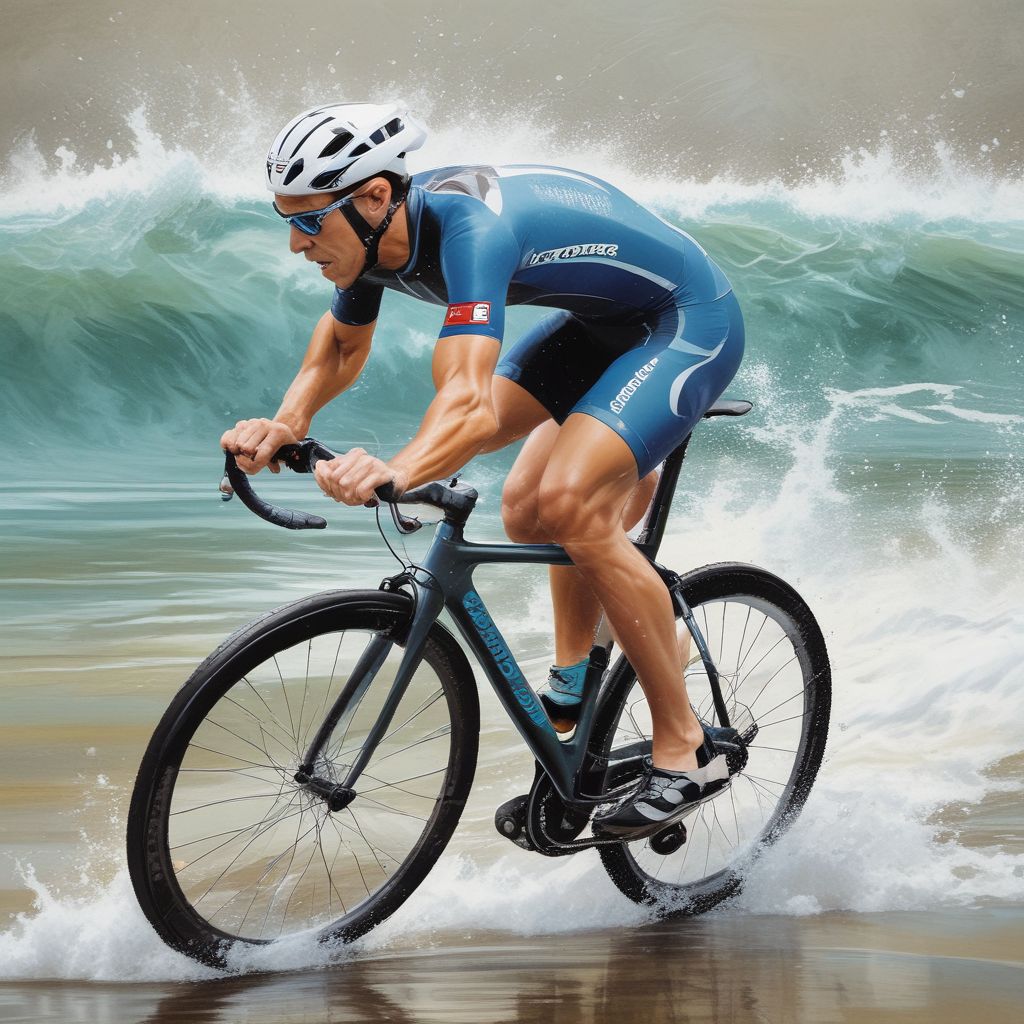
Open‑water swimming has quietly become a high-value cross‑training tool for cyclists who want to build power, accelerate recovery, and reduce injury risk. Teams and athletes are integrating swim intervals into weekly plans to get cardiovascular benefits without the pounding of running or endless hours in the saddle, and this article profiles how they do it, explains the physiology behind the gains, and gives swim‑bike routines for three training levels.
Who’s Doing It: Teams and Athletes Embracing Swim Intervals
Across WorldTour programs, national endurance squads, and elite time‑trial camps, coaches are adding supervised open‑water sessions to the calendar. A number of UCI teams now schedule weekly ocean or lake workouts during base phases to diversify endurance stimulus, while track squads use high‑intensity swim repeats to improve aerobic capacity without joint stress. Individual athletes—particularly stage racers and time trialists—credit swim intervals for helping maintain cardio fitness during forced downtime (injury or travel) and for producing a fresh feeling on the bike after heavy blocks.
Examples from the field include: team camps that replace a low‑intensity recovery ride with a long swim on recovery days, and endurance cyclists who insert short, hard 30–45 minute swim sets before an easy bike to prime power output. Coaches are reporting improved HRV, fewer soft‑tissue complaints, and faster returns to high‑quality bike sessions when swim work is used strategically.
The Physiology: Why Swim Intervals Help Power and Recovery
Swimming provides a unique metabolic and neuromuscular stimulus. Unlike steady prolonged cycling, swim intervals often combine anaerobic repeats with breathing control and full‑body engagement, stimulating VO2max adaptations and lactate clearance in a low‑impact environment.
- Cardiovascular overload without impact: Swim intervals elevate heart rate and stroke volume while removing ground reaction forces that strain joints and tendons.
- Improved lactate handling: Short high‑intensity swim repeats followed by active recovery help the body process lactate efficiently; many athletes find they can tolerate higher bike interval workloads after swim‑focused weeks.
- Core and posterior chain balance: Swimming recruits shoulder girdle, lats, glutes, and core stabilizers differently than cycling, helping to balance muscular development and reduce overuse down the chain.
- Neuromuscular freshness: The rotational, horizontal movement patterns re‑train motor patterns and improve proprioception without repetitive force on the knees and hips.
Injury Prevention: How Swimming Protects the Cyclist
Repetitive loading is a primary driver of common cycling complaints (IT band irritation, patellar tendinopathy, lower‑back pain). Swimming gives targeted aerobic and anaerobic stimulus while allowing problematic structures to rest and recover. The hydrostatic pressure of water also reduces swelling and encourages venous return, which aids recovery between hard sessions.
- Reduced eccentric loading prevents microtrauma accumulation.
- Improved shoulder and scapular strength corrects postural rounding common in long hours on the bike.
- Active mobility in water—especially rotational work—maintains hip and thoracic mobility that supports efficient bike position.
How Coaches Integrate Swim Intervals into Cycling Programs
Integration is about timing and intent. Coaches use swimming as a) active recovery, b) low‑impact base, or c) high‑quality interval stimulus. Common models include:
- Recovery day swap: Replace an easy spin with a 30–45 minute easy swim to reduce load while keeping blood flow.
- Base cross‑training week: 2–3 swim sessions at moderate intensity for aerobic volume when riding volume must be reduced.
- Specificity phase: High‑intensity swim intervals the day before or after low‑volume bike intervals to train aerobic power and recovery sequencing.
Practical Swim‑Bike Routines for Different Levels
Beginner (new to open‑water or low swim experience)
Goal: Build comfort, maintain aerobic fitness, and protect joints.
- Frequency: 2 swims/week (pool or calm open water)
- Session A — Endurance Swim (40–45 minutes): 10 min easy warm‑up, 20–25 min continuous steady swim at conversational pace, 5–10 min cooldown.
- Session B — Intro Intervals (30–40 minutes): 10 min warm‑up, 8 x 50m moderate effort with 20–30s rest, 10 min easy cooldown.
- Brick option: After Session B, do a 20–30 minute easy bike at RPE 2–3 to practice transitions and maintain cycling specificity.
- Safety: Use a swim buoy, practice sighting, and stay with a partner for open‑water sessions.
Intermediate (regular cyclists with decent swim base)
Goal: Improve VO2 and lactate clearance while keeping bike quality high.
- Frequency: 2–3 swims/week
- Session A — Threshold Swim (45–60 minutes): 15 min warm‑up, 5 x 200m at threshold pace with 30–45s rest, 10–15 min cooldown.
- Session B — Speed Intervals (40 minutes): 10 min warm‑up, 12 x 75m hard with 20s rest, finishing with 200m easy cooldown.
- Brick option: After Session A, ride 45–60 minutes with first 15 minutes easy then 3 x 3 minutes at threshold on the bike with 3 min easy between sets to practice recovering from high output.
- Progression: Increase interval length or reduce rest as adaptation occurs.
Elite (pro riders and time‑trial specialists)
Goal: Maximize aerobic power, expedite recovery, and refine breathing/efficiency under load.
- Frequency: 3 swims/week mixed with targeted bike intervals
- Session A — VO2 Max Swim (45 minutes): 15 min warm‑up, 8 x 100m at VO2 effort with 15–20s rest, 10 min cooldown.
- Session B — Mixed Anaerobic (40 minutes): 10 min warm‑up, 6 x 50m all‑out with 60s active rest, 6 x 25m sprint efforts off cumulative fatigue, cooldown.
- Session C — Recovery/Technique (30 minutes): long easy sets with drills for stroke efficiency and bilateral breathing.
- Brick option: After VO2 swim, perform a 20–30 minute high‑cadence bike with 3 x 2 minute power surges to train rapid transition from horizontal to seated power production.
- Monitoring: Track HRV, session RPE, and leg feel—reduce bike volume if swim intensity is elevated during heavy blocks.
Open‑Water Considerations and Equipment
Open‑water adds variables—temperature, current, and sighting—but also valuable neuromuscular stimulus like drafting and wave handling. Essentials include a well‑fitting wetsuit, visibility buoy, and a plan for exits and emergency contact. For safety, always swim with a partner or coach present, carry a whistle on your buoy, and check local conditions before entry.
Putting It Together: Sample Weekly Microcycle (Intermediate)
- Monday: Recovery swim (30 min easy) + optional strength/mobility
- Tuesday: Bike intervals (hard) — evening technique swim (30–40 min)
- Wednesday: Moderate endurance ride
- Thursday: VO2 swim (8 x 100m) + short brick (30 min)
- Friday: Easy recovery ride or off
- Saturday: Long ride (race simulation)
- Sunday: Active recovery swim or open‑water technique session
When used deliberately—whether to replace low‑intensity rides, accelerate recovery after heavy blocks, or provide high‑quality interval stimulus—open‑water swimming amplifies a cyclist’s toolbox without adding impact or excessive fatigue.
Conclusion: For cyclists seeking a smart, low‑impact way to boost power and longevity, mixing in swim intervals—especially in open water—delivers measurable physiological benefits and helps prevent overuse injuries. Start conservatively, work with a coach if possible, and treat the water as a performance asset rather than just a recovery tool.
Ready to make a splash in your training? Try one swim interval session this week and track how your legs feel on the bike afterward.