Virtual Reality Coaching Revolutionizes Paralympic Training: Immersive Simulations Cut Training Time and Boost Performance
Virtual Reality Coaching is transforming how Paralympic athletes prepare for competition, combining cutting‑edge simulations with personalized data analysis to streamline training and elevate performance. By immersing athletes in realistic environments—whether it’s a pool lane, a snowboard slope, or a track circuit—coaches can manipulate variables that would otherwise require costly travel or extensive physical setup. The result is a focused, efficient regimen that delivers measurable gains in both technique and confidence.
What Is VR Coaching in Paralympic Training?
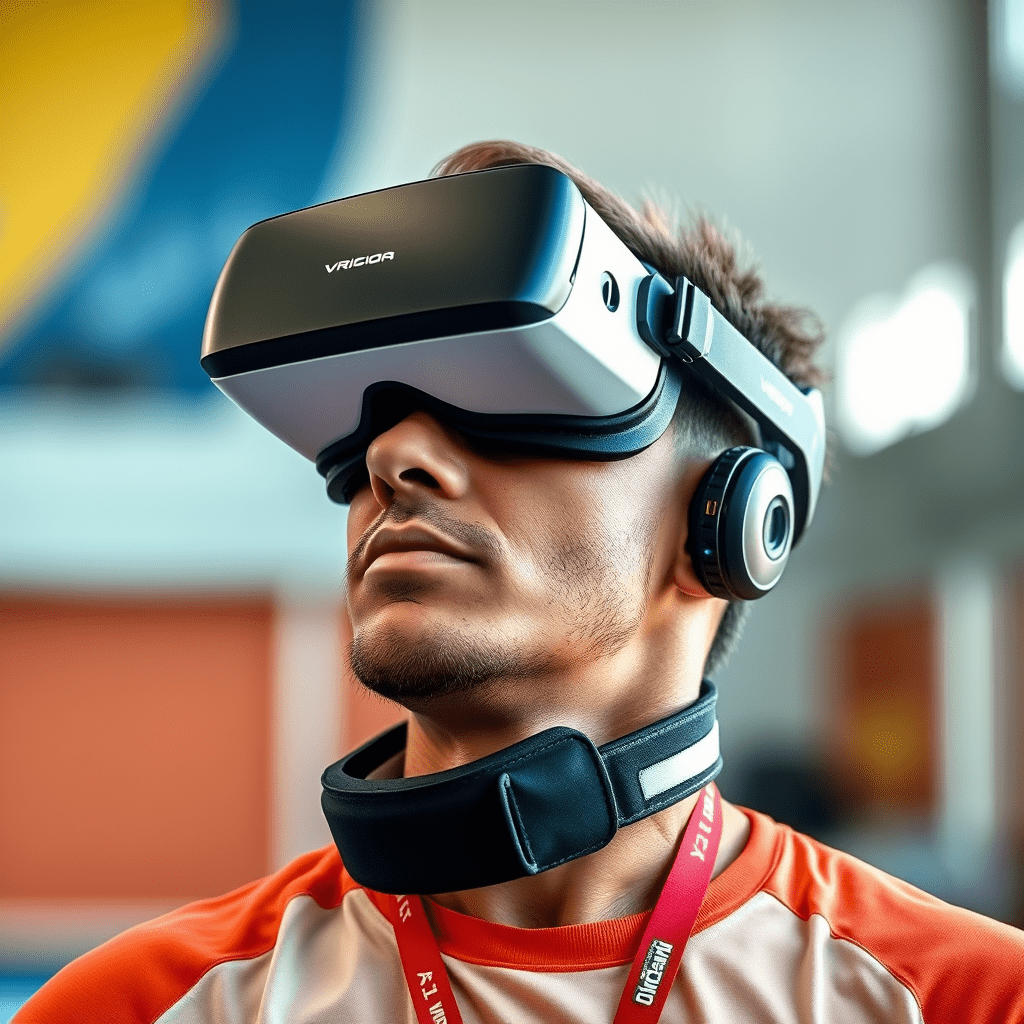
At its core, VR Coaching uses head‑mounted displays, motion capture sensors, and haptic feedback to recreate competitive scenarios. Coaches program specific challenges—like an obstacle course or a timed swim start—and athletes experience them in real time. The technology records every movement, providing objective data on posture, velocity, and power output. In the Paralympic context, VR also offers adaptive controls that cater to a wide range of disabilities, ensuring that every athlete can engage fully.
Immersive Simulations: The Core Technology
- Head‑mounted displays (HMDs): Deliver high‑resolution, low‑latency visuals that mimic actual competition settings.
- Motion capture rigs: Track limb and body motion with millisecond precision.
- Haptic actuators: Simulate tactile sensations such as wind resistance or ground feedback.
- AI‑driven analytics: Provide real‑time coaching cues and post‑session performance reports.
How VR Shortens Training Time
Traditional training often requires hours on the track or in the pool, coupled with equipment changes and manual coaching. VR compresses this by enabling a single session to cover multiple drills: warm‑up, skill work, and race simulation all in one seamless flow. Because athletes can practice scenarios that would otherwise require a full day—like a high‑altitude sprint or a night‑time event—coaches can design a 45‑minute VR session that equates to several hours of conventional practice. The reduced physical fatigue also means athletes can train more frequently without overuse injuries.
Boosting Athlete Performance with VR
Precision Feedback and Adaptive Coaching
VR Coaching delivers instant, data‑driven feedback. For example, a para-swimmer’s stroke efficiency can be compared against elite benchmarks, with the system highlighting subtle deviations in arm angle or kick timing. Coaches can adjust resistance or introduce new patterns on the fly, creating an adaptive learning loop that’s impossible in a live environment. This precision eliminates guesswork and accelerates skill acquisition.
Psychological Preparation and Confidence Building
Beyond physical metrics, VR provides a safe yet realistic arena for mental training. Paralympic athletes often face unique psychological challenges—overcoming fear of crowds, adapting to new equipment, or coping with pressure. By replicating race-day conditions virtually, athletes can rehearse breathing techniques, crowd noise, and pacing strategies. Repeated exposure builds neural pathways associated with calmness, reducing performance anxiety during actual competition.
Real-World Success Stories
Paralympic Swimmer Using the VR Swim Lab
Maria, a visually impaired swimmer, trained with a VR Swim Lab that projects a virtual lane with tactile lane lines and audible cues. Within three weeks, her split times improved by 3%, and she reported increased confidence in navigating turns. The system’s personalized feedback loop helped her adjust her underwater phase, shaving critical seconds off her overall time.
Para-Snowboarder on Virtual Terrain
Javier, a para-snowboarder, utilized a VR slope that simulates varying gradients and snow conditions. By practicing in the virtual environment, he mastered edge control and balance on uneven terrain without risking injury on real slopes. His coaches noted a 15% reduction in falls during on‑ice practice, attributing the improvement to the VR system’s detailed haptic feedback.
Challenges and Considerations
Accessibility and Inclusivity
Ensuring that VR hardware accommodates all mobility levels is paramount. Customizable seating, adjustable headset straps, and voice‑controlled interfaces help make the experience inclusive. Additionally, software developers must consider sensory sensitivities—some athletes may experience motion sickness, requiring adjustable settings for field of view and frame rate.
Data Privacy and Athlete Welfare
VR Coaching collects extensive biometric data. Governing bodies must establish robust data protection protocols to safeguard athletes’ privacy. Transparent consent processes and clear data usage policies are essential, especially when integrating AI that analyzes performance patterns.
Future Directions
AI‑Driven Personalized Coaching
Next‑generation VR systems will incorporate machine learning algorithms that predict optimal training loads based on real‑time performance trends. Instead of static coaching cues, AI will propose individualized drills, rest periods, and recovery strategies, creating a hyper‑personalized regimen that adapts to an athlete’s evolving needs.
Cross‑Disciplinary Collaboration
Collaboration between sports scientists, disability specialists, and VR developers will unlock new training paradigms. Integrating neuro‑feedback, biomechanical modeling, and environmental simulations can create comprehensive training ecosystems that address both physical and cognitive demands of Paralympic sport.
Virtual Reality Coaching is not merely a tech novelty; it’s a strategic asset that redefines how Paralympic athletes train. By merging immersive simulations with data‑rich analytics, VR shortens preparation time, sharpens technique, and bolsters psychological resilience. As technology evolves, the potential for VR to democratize elite training will only grow—paving the way for a future where every athlete can reach their full competitive potential, regardless of physical limitations.
Explore how VR is shaping the future of Paralympic excellence.