Virtual Reality Rehearsals: How NFL Teams Are Using Immersive Simulations to Sharpen Play Calls
Virtual reality rehearsals are no longer a futuristic fantasy; they’re a critical part of the game‑planning toolkit for NFL teams. By putting players inside a fully immersive, computer‑generated stadium, coaches can practice play calls, analyze defensive formations, and rehearse crucial moments— all without the risk of injury or the cost of live travel. This article delves into the technology behind VR rehearsals, their tangible benefits for teams, real‑world examples of implementation, the challenges that still need to be overcome, and what the future holds for this cutting‑edge preparation method.
What Is a Virtual Reality Rehearsal?
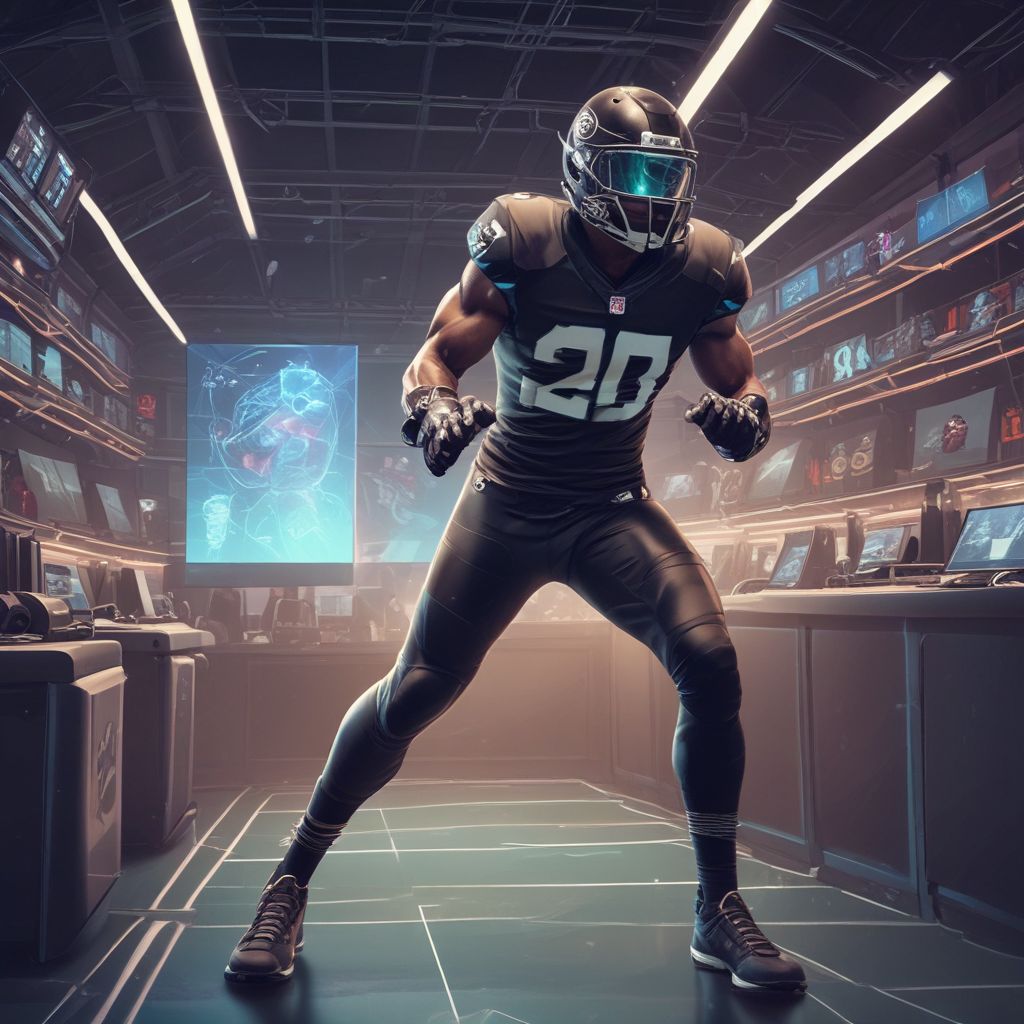
A virtual reality rehearsal is a simulated training session where players wear head‑mounted displays, motion‑captured gear, and sometimes haptic feedback devices. The system projects a hyper‑realistic environment that mimics the layout, lighting, and acoustics of a real NFL stadium. Within that environment, players run pre‑recorded plays, react to virtual opponents, and can switch between offensive and defensive roles on the fly. Coaches can see live video streams, overlay analytics, and adjust playbooks on the spot.
Key Components of an NFL VR Rehearsal System
- High‑Resolution Headsets: Devices like the Oculus Quest 2 or Valve Index provide a 120 Hz refresh rate, reducing motion sickness and allowing fast‑paced play sequences.
- Motion Capture Sensors: Wearable trackers record every movement, enabling realistic physics and ensuring player motions match real‑world dynamics.
- Real‑Time Analytics Engine: Software processes sensor data, calculates pass routes, tackle speeds, and pass‑break opportunities in milliseconds.
- Coaching Dashboards: Live video overlays, schematic changes, and instant replay tools let coaches guide players in real time.
Why NFL Teams Are Embracing VR Rehearsals
Traditional practice sessions involve repetitive drills on the field, but VR offers a number of distinct advantages:
- Injury Prevention: High‑impact collisions are avoided, allowing players to rehearse high‑risk plays without physical strain.
- Time Efficiency: Complex plays can be run in seconds, enabling teams to cover more scenarios in less time.
- Data‑Driven Decision Making: Coaches receive quantifiable feedback— pass‑completion percentages, coverage depth, and tackle efficiency— that can inform game‑plan adjustments.
- Situational Versatility: Teams can simulate specific game conditions (late‑game 4th down, hostile crowds, inclement weather) without leaving the training facility.
Case Studies: Teams That Have Integrated VR Into Their Offseason
While VR is still emerging, several NFL franchises have already adopted the technology to gain a competitive edge.
1. Tampa Bay Buccaneers
After winning the Super Bowl, the Buccaneers invested in a full‑suite VR system that allows the coaching staff to run up to 100 different play scenarios per hour. Quarterback Tom Brady reports that “seeing the defense in 3D helps me adjust my reads instantly.” The Buccaneers use VR to refine their West Coast offense, focusing on quick passes and misdirection.
2. Kansas City Chiefs
Coach Andy Reid’s staff leverages VR to rehearse their famed “Air Raid” style. By simulating the Chiefs’ aggressive defensive schemes, the offense can practice route adjustments on the fly. Defensive players also use VR to anticipate receiver routes and improve coverage decisions.
3. Green Bay Packers
The Packers utilize VR to train their defensive line against the Patriots’ power rush. The system includes realistic force feedback that simulates the impact of a defensive tackle, allowing linemen to work on leverage and hand placement without actual contact.
From Film Study to Immersive Simulation: The Evolution of Pre‑Game Prep
Historically, NFL teams relied on film rooms, chalkboard schematics, and on‑field scrimmages to prepare for opponents. Virtual reality bridges the gap between passive film review and live practice. It combines the analytical depth of film study with the kinesthetic feedback of on‑field drills, creating a hybrid training modality that is both efficient and data‑rich.
Key Differences Between Traditional Film Study and VR Rehearsals
- Interactivity: VR lets players physically respond to defensive movements, whereas film is static.
- Immediate Feedback: Analytics dashboards provide instant performance metrics; film review often requires a coach to point out mistakes after the fact.
- Environmental Control: Coaches can manipulate variables (e.g., defender speed, crowd noise) instantly; on‑field conditions are harder to adjust.
Challenges That Teams Must Overcome
Despite its promise, VR adoption isn’t without obstacles.
1. Cost of Implementation
High‑end VR setups, including sensors, displays, and software licensing, can run into millions of dollars for a full facility. Small or mid‑budget teams may find initial investment prohibitive.
2. Technical Learning Curve
Coaches and players must learn to operate complex software, interpret analytics, and adjust playbooks in real time. Training staff on these systems can take months.
3. Accuracy of Simulation
While physics engines have improved, they still lag behind the nuanced feel of real‑world contact. Misrepresenting defender mass or tackling mechanics can lead to false assumptions.
4. Resistance to Change
Veteran players and coaches who are comfortable with traditional practices may be skeptical about the efficacy of virtual drills.
Looking Ahead: The Future of VR in the NFL
As hardware becomes lighter and more affordable, we can anticipate broader adoption across the league. Several trends are shaping the next wave of VR in football:
- Hybrid Physical‑Virtual Training: Combining limited contact drills with VR simulations to create a blended preparation model.
- Player‑Specific VR Modules: Tailored scenarios that address individual player weaknesses— for example, a rookie wide receiver working on route precision.
- AI‑Driven Opponent Modeling: Machine learning algorithms that generate realistic opponent behaviors based on real‑world data.
- Real‑Time Game‑Day Integration: Using VR analytics to inform play‑calling decisions during the game, essentially extending the practice field onto the sidelines.
Conclusion
Virtual reality rehearsals are transforming how NFL teams prepare for the high stakes of professional football. By blending immersive simulation with data analytics, coaches can fine‑tune play calls, reduce injury risk, and stay one step ahead of the competition. While challenges remain, the technology’s trajectory suggests that VR will become a staple of pre‑game preparation in the years to come.
Ready to explore how VR can elevate your team’s preparation? Discover the possibilities with the next generation of immersive training tools.