In a market where SaaS competitors launch new features on a weekly cadence, the pressure to price correctly is relentless. The traditional approach—A/B testing on a small cohort or a long‑running survey—often yields data that is outdated by the time it reaches decision makers. Enter rapid micro‑surveys paired with live feedback loops, a proven method to validate pricing assumptions instantly. By deploying concise, five‑minute surveys to real prospects or early adopters and integrating the results into a continuous feedback system, you can test multiple price points, uncover hidden willingness‑to‑pay thresholds, and refine your model in real time.
Why 5‑Minute Surveys Outperform Traditional Pricing Tests
Longitudinal studies of SaaS pricing have shown that the longer the measurement window, the more likely the data is distorted by market shifts, seasonality, or evolving competitor actions. A short, focused survey reduces respondent fatigue, increases completion rates, and captures a snapshot of intent that is still valid after a few days. Moreover, micro‑surveys can be deployed directly within your product or landing page, ensuring that respondents are currently engaged with your offering. This immediacy turns insights into decisions—no more waiting for a month‑long experiment to finish.
Key Benefits of Rapid Micro‑Surveys
- Speed: Results available within minutes.
- Precision: Targeted questions eliminate noise.
- Low Cost: Minimal resources required for design and deployment.
- Actionable Data: Directly informs pricing strategy, feature bundling, and positioning.
Setting Up a Live Feedback Loop
Creating a feedback loop is not just about collecting answers; it’s about turning data into a continuous conversation. The loop involves three core components: collection, real‑time analysis, and iterative deployment. By automating each stage, you free up product managers to focus on strategy rather than logistics.
Collection Layer: Seamless Integration
Embed your micro‑survey in high‑traffic areas—checkout pages, onboarding flows, or the free‑trial dashboard. Use a lightweight JavaScript snippet that triggers the survey after a user has spent 90 % of the page or completed a critical action. This ensures that respondents are already invested in the product, making their pricing feedback more credible.
Real‑time Analysis: Data Pipelines That Work
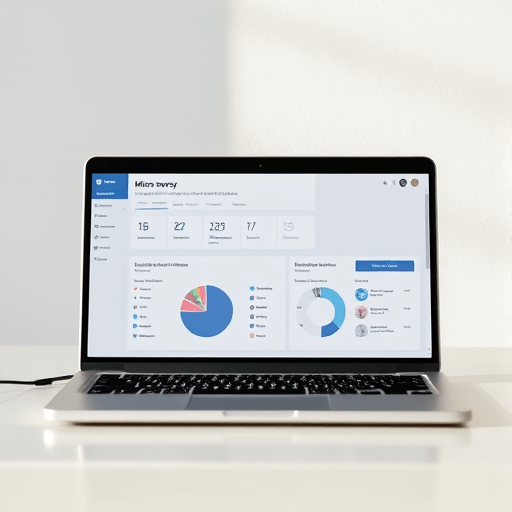
When a response is submitted, immediately push the data to a cloud‑based analytics engine (e.g., AWS Lambda + Amazon Kinesis). Set up a scoring algorithm that calculates average willingness to pay (WTP) and segments respondents by persona, usage pattern, or geography. Dashboards built on platforms like Grafana or Power BI can display live WTP curves, allowing decision makers to see price elasticity as it happens.
Iterative Deployment: Adjust and Test Again
Use the insights to tweak pricing tiers or feature bundles on the fly. For example, if a micro‑survey reveals that users in the “Pro” tier are willing to pay 15 % more for advanced analytics, you can launch a quick A/B test for that specific segment. The continuous loop ensures that every pricing change is validated before it scales.
Designing Micro‑Surveys for SaaS Pricing
Question wording matters. Too technical, and you lose clarity; too vague, and you lose insight. The goal is to capture genuine willingness to pay while keeping the survey under five minutes. Here’s a proven framework for crafting effective pricing micro‑surveys.
1. Start with Contextual Warm‑Up
Ask a quick question that sets the scene—“How many users would you need in your team to consider using our platform?” This primes respondents to think about cost relative to value.
2. Offer Tiered Options
Present a concise list of price points and associated features. Use a slider or radio buttons to let respondents select the most appealing option. This not only measures WTP but also reveals feature preferences.
3. Validate with a Follow‑Up
Ask a single “If the price were $X, would you sign up?” question. The yes/no response confirms whether the chosen tier aligns with actual purchase intent.
4. Keep It Short and Mobile‑Friendly
Design the survey to fit on a single mobile screen, using large touch targets and concise wording. A high completion rate is the ultimate KPI for a micro‑survey.
Analyzing Real‑Time Data to Refine Your Pricing Strategy
Raw data is only as valuable as the insights you extract. Here’s a step‑by‑step process to transform micro‑survey responses into strategic actions.
Segment Analysis
Break responses into meaningful segments: industry, company size, user role, and geographic location. A 20 % WTP increase in the “Healthcare” sector versus a 5 % increase in “Retail” tells you where to focus your pricing experiments.
Elasticity Mapping
Plot price points against conversion rates to identify elasticity curves. If a 10 % price cut results in a 25 % uptick in trial sign‑ups, that segment is highly elastic, suggesting a lower price tier could be more profitable in volume.
Feature‑Price Correlation
Analyze which features drive willingness to pay. If 70 % of respondents in the “Advanced” tier cite “Custom Reports” as a must‑have, you can consider bundling that feature into a premium tier or charging a usage fee.
Predictive Modeling
Feed the micro‑survey data into a simple predictive model (e.g., logistic regression) to forecast conversion probabilities at different price points. Use these predictions to set target acquisition costs and ROI thresholds.
Integrating Insights into Your Pricing Roadmap
Once you’ve distilled actionable insights, the next step is embedding them into your product roadmap. The goal is to align pricing, features, and go‑to‑market messaging seamlessly.
Roadmap Prioritization Matrix
Plot features on a matrix of business impact vs. development effort. Features that drive high WTP and require low effort should rise to the top of the backlog.
Pricing Tier Re‑Architecture
If micro‑survey data shows that users are willing to pay for granular usage limits, consider moving from a flat‑rate model to a usage‑based or tiered pricing structure. The live feedback loop can test each iteration before a full rollout.
Communicating Changes
Leverage the data to craft messaging that resonates with target personas. Use direct quotes from survey respondents (“We’d pay more for custom analytics”) in your marketing copy to reinforce credibility.
Continuous Loop Maintenance
Keep the micro‑survey live on key conversion paths, updating questions as new features roll out. This ensures that your pricing remains agile, adapting to shifts in customer needs and market dynamics.
By embedding 5‑minute micro‑surveys into your product experience and feeding the results into a real‑time feedback loop, you turn pricing validation from a costly, time‑consuming exercise into a lightweight, data‑driven practice. The agility gained allows you to experiment, iterate, and ultimately set a price that maximizes both revenue and customer satisfaction—well before the product launch is complete.