Origins of the Devilish Tradition
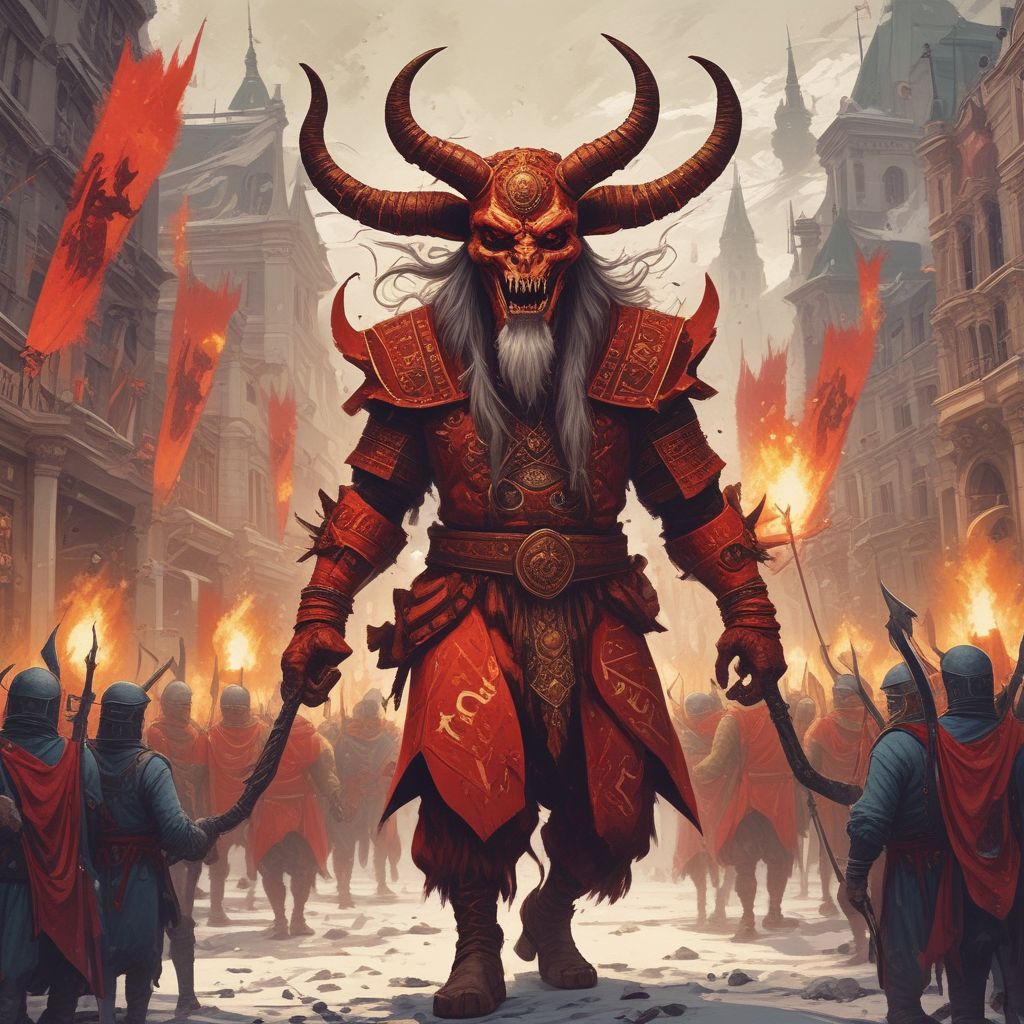
The festival traces back centuries, rooted in pre-Christian Slavic and Turkish folklore. Legend says the busós—fierce warriors—drove out Turkish invaders in the 17th century by dressing as demons. Another tale links it to winter exorcism: villagers scare off the harsh Pannonian cold with noise and fire.
Historical records mention similar rituals from the 1700s, but oral traditions suggest even older pagan origins. The Swabian and Croatian communities in Mohács have preserved it meticulously, passing skills through generations. Today, it symbolizes renewal, community, and defiance against darkness.
- Pagan Core: Banishment of winter spirits through cacophony and flame.
- Historical Echo: Commemoration of the 1687 Battle of Mohács victory.
- Cultural Fusion: Influences from Shrovetide carnivals across the Balkans.
Crafting the Iconic Busó Masks
No Buso Festival experience beats mask-making. Artisans in Mohács carve willow wood into snarling faces—bushy eyebrows, jagged teeth, wild beards. Each mask is unique, aged with wax and paint for a lifelike menace. Workshops open to visitors, letting you try your hand at chiseling.
Sheepskin trousers and vests complete the look, topped with woolen hats sprouting feathers and bells. Women wear prtykes, embroidered skirts and floral crowns, adding color to the demonic parade. Costumes weigh up to 30kg, demanding stamina for all-night revelry.
Mask-Making Workshop Tips
Join a session at the Busó Museum or local studios. Expect hands-on carving, painting, and stories from masters.
- Duration: 2-4 hours.
- Cost: €20-50, tools provided.
- Best for ages 12+, wear old clothes.
- Take home your mini-mask souvenir.
These rituals foster a sense of belonging, blurring lines between spectator and participant.
The Heart-Pounding Festival Schedule
Busójárás spans six days from Ash Wednesday to the following Tuesday in late February. It kicks off with the Tűzrakás (fire lighting) on Thursday, where busós arrive by boat across the Danube, torches blazing.
Friday: Arrival and Mask Burial
Busós disembark amid fireworks, burying a straw coffin symbolizing winter. Revelers dance around it, pounding spoons on cauldrons for thunderous noise.
Saturday-Sunday: Parades and Merriment
Main parades feature hundreds of busós marching with 2m-tall noisemakers. Whips crack, bells clang, and children flee in mock terror. Street food stalls overflow with kürtőskalács chimney cakes, goulash, and pálinka firewater.
- Expect interactive scares: Busós chase crowds playfully.
- Live folk music and dancing till dawn.
- Family-friendly zones amid the frenzy.
Climax: The Great Bonfire
Tuesday’s highlight burns the coffin atop a massive pyre. Flames leap 10m high as busós circle, chanting. It’s a cathartic finale, purging winter’s grip.
Immerse Yourself: How to Join the Chaos
Don’t just watch—dive in. Rent a busó costume from local groups for €100-200 per day, including mask and bells. Or craft your own accessories at workshops.
Participate in rituals like the garboncafőzés, a pea soup cook-off judged by taste and spectacle. Dance the csárdás with locals, or join bell-ringing processions.
- For Adventurers: March in parades (sign up via mohacsibuso.hu).
- For Families: Kid-sized masks and tamer events.
- For Foodies: Sample festival specialties like busó sausage.
The energy is infectious; even introverts emerge howling with the horde.
Practical Guide: Planning Your Trip
Mohács sits 180km south of Budapest, accessible by train (2.5 hours) or car via M6 motorway. Festival dates vary yearly—check official sites for 2025 (typically Feb 20-25).
Where to Stay
Book early; options fill fast.
- Hotels: Hotel Mohács (central, €80/night).
- Guest Houses: Family-run panziós with folk decor.
- Camping: Festival grounds for immersive vibes (€20/tent).
Getting Around and Budget
Walk the compact town. Entry is free, but costumes/parades have no tickets. Budget €300-500 for a weekend, covering travel, lodging, and feasts.
- Transport: FlixBus from Budapest (€15).
- Weather: Chilly (0-5°C), layer under cloaks.
- COVID Note: Masks optional, but check rules.
Ferries shuttle across the Danube for prime viewing spots.
Why Buso Festival Captivates the World
Beyond spectacle, Busójárás offers cultural depth. It’s a living museum of Balkan heritage, resilient amid modernization. Travelers rave about the hospitality—locals share pálinka and invite you to tables groaning with food.
In a sanitized world, this raw ritual reminds us of primal joys: fire, noise, transformation. Photographers capture masked faces glowing in firelight; writers pen odes to its mystery. It’s not touristy—it’s authentic, evolving yet timeless.
Comparisons to Venice Carnival fall short; Buso is grittier, more visceral. No glitzy floats, just human spirit unleashed.
Final Call to the Wild
As embers fade and busós fade into dawn, you’ll leave Mohács changed—inner devil awakened. Whether carving masks, dodging whips, or toasting spring’s arrival, Buso Festival delivers unforgettable magic. Mark your calendar, embrace the eerie, and banish your own winter blues in Hungary’s devilish heart.
Ready to rumble? Mohács awaits your roar.
Word count: 1,156