Underground Greenways have become one of Europe’s most surprising urban pleasures: linear parks and walking routes that follow culverted or reclaimed rivers, turning forgotten waterways into verdant corridors for walking, cycling, and quiet discovery. This guide explains what these secret river parks are, highlights the best routes across the continent, and gives practical advice on when and how to explore them for the most rewarding visits.
What are Underground Greenways?
Underground greenways are public spaces created where rivers were once diverted into culverts, buried, or constrained by industrial development. Cities have begun to repurpose those corridors—on top of, beside, or by daylighting portions of the rivers—creating continuous paths that knit neighborhoods together with trees, lawns, wetlands, and art installations. They combine urban history, ecology, and recreation in a long, linear format ideal for walking and slow travel.
Why cities build them
- To reclaim neglected, flood-prone corridors and reduce heat-island effects.
- To restore ecological function by reintroducing native plants, wetlands, and pollinator habitat.
- To connect neighborhoods with safe, car-free routes for walking and cycling.
- To celebrate and interpret urban history—many greenways follow the routes of long-hidden streams and canals.
Top Underground Greenways and Secret River Parks to Walk in Europe
Madrid Río, Spain
One of the continent’s most dramatic transformations, Madrid Río reclaimed the Manzanares riverbanks after the city buried the M-30 freeway—today it’s a broad, accessible greenway of paths, playgrounds, and bridges that encourages long riverside walks and discovery of sculptural landmarks.
London’s Hidden Rivers Walks, United Kingdom
London’s Fleet, Tyburn and Westbourne rivers live on as “hidden rivers” routes: walking trails, plaques, and pocket parks that trace the subterranean waterways beneath streets. These walks reveal how the city was shaped by its watercourses and where to find small, unexpected pocket parks.
Emscher Landschaftspark, Germany
In the Ruhr, the Emscher project turned an industrial river valley into a patchwork of restored waterways and green corridors—an expansive, post-industrial landscape that’s best explored on foot or by bike and rewards those interested in industrial heritage and ecological repair.
Rivers Reclaimed in Paris (historical corridors)
Paris’s covered tributaries—such as the Bièvre—have inspired small restoration and memorial projects along their old courses; walking these lanes uncovers remnants of mills, old bridges, and neighborhood gardens tucked into the city’s backstreets.
Smaller city examples
Across Europe, mid-sized cities—from Porto to Milan suburbs—have daylighted or built greenways along former streams, creating short but sweet routes perfect for half-day walks and neighborhood exploration.
Planning Your Walk
Underground greenways can vary from broad riverside parks to narrow linear gardens above buried culverts, so planning is essential.
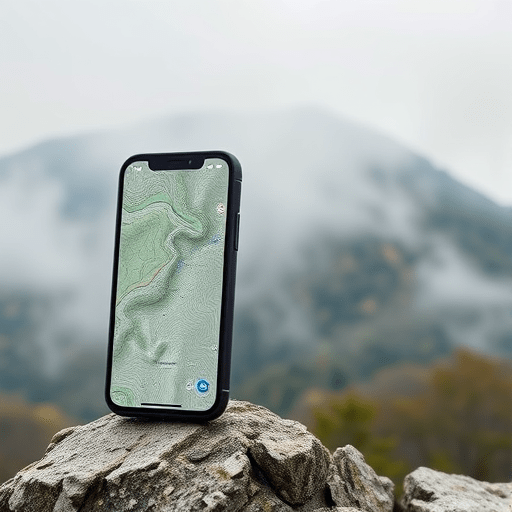
- Research maps and local guides: many cities publish “hidden river” routes or greenway maps online—download an offline map if you’ll lose signal.
- Choose a route length that suits your pace: 3–5 km is ideal for a relaxed two-hour exploratory walk; longer routes may be broken into stages.
- Check access points and transport links—greenways often intersect with public transit, making point-to-point walks simple.
Best Times to Explore
Timing depends on weather and what you want to see:
- Spring (April–June): best for wildflowers, bird activity, and mild weather—ideal for photography and wildlife watching.
- Early autumn (September–early November): cooler temperatures, dramatic foliage, and fewer tourists make this a favorite season.
- Summer mornings or late afternoons: if visiting in July–August, walk early to avoid heat and enjoy golden-hour lighting along the waterline.
- Winter visits: quieter, with skeletal tree shapes and a clearer sense of river history, though some greenway features may be closed.
What to Bring
- Comfortable walking shoes and weather-appropriate layers.
- A reusable water bottle, a small snack, and a compact first-aid kit.
- A camera or phone with spare battery for documenting murals, plaques, and wildlife.
- A map or route GPX and a charged phone—some greenways have limited signage.
Guided vs DIY Walks
Guided tours—often run by local history groups or parks organizations—are excellent for learning about industrial archaeology and hidden infrastructure. DIY walks let you linger, detour for cafes, and set your own pace. When possible, combine both: take a guided walk first for context, then return independently to your favorite stretches.
Etiquette and Conservation
- Stay on marked paths to protect sensitive vegetation and newly restored habitats.
- Keep dogs leashed where specified and pack out all waste—many greenways aim to be wildlife-friendly zones.
- Respect art, plaques and memorials: these routes are often curated to tell local stories and commemorate lost waterways.
Safety Considerations
Most greenways are safe, but urban routes can have dimly lit sections—prefer daytime visits if you’re solo. Be mindful of urban wildlife (wetland birds, amphibians) and seasonal flooding advisories on low-lying sections during heavy rains.
How to Make the Most of Your Visit
- Look for interpretive signage and QR codes—many projects include audio guides or webpages with historical photos.
- Pair your walk with a neighborhood café or market visit to connect with local life beyond the greenway.
- Bring a lightweight journal—these routes are full of small discoveries worth noting for a future return.
Underground greenways are quiet urban miracles: walks that reconnect city-dwellers with the hidden water that once shaped their streets. Whether you seek history, nature, or simply a peaceful route across town, Europe’s secret river parks offer surprising pleasures for curious walkers.
Ready to explore? Pack your shoes, pick a route, and discover the hidden waterway nearest you.