The main keyword — two-minute health missions — captures a simple but powerful idea: brief, focused micro‑tasks built into patient apps that leverage gamification and context signals to drive sustained engagement and improve adherence. These micro-missions turn overwhelming care plans into doable moments, helping patients form habits, complete treatments, and stay connected to their health journey.
Why micro-missions work
Traditional digital health interventions often overload users with long modules, rigid schedules, or dense information. Micro‑missions invert that model by delivering short, measurable actions (usually two minutes or less) that fit naturally into daily life. They succeed for three reasons:
- Low friction: A two-minute task lowers the activation energy—users are far more likely to start and complete a short activity than a long one.
- Immediate feedback: Gamified micro-tasks provide quick rewards or progress cues, reinforcing desired behavior in real time.
- Contextual relevance: Using context signals like time of day, location, or recent vitals makes a mission feel timely and personally relevant, increasing the odds of adherence.
How context signals power relevancy
Context signals are lightweight data points that help the app decide when and how to present a micro‑mission. Examples include:
- Time of day (morning vs. evening)
- Location (home, work, pharmacy)
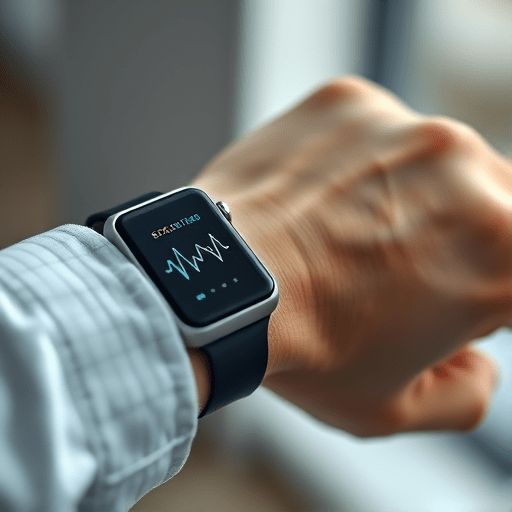
- Sensor inputs (step count, heart rate variability)
- Recent app activity (missed doses, skipped check-ins)
- Clinical triggers (lab results, symptom reports)
By combining these signals the app can push a mission at moments of high receptivity—e.g., a two-minute inhaler technique check immediately after detecting elevated symptoms, or a quick medication reminder mission when geolocation indicates the user is near a pharmacy.
Example: Medication adherence micro-mission
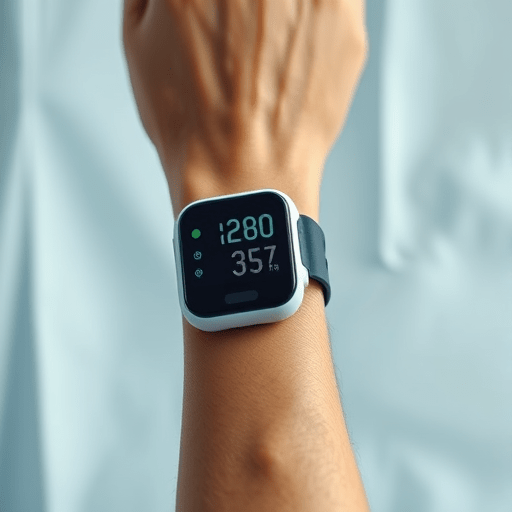
A patient with hypertension receives a two-minute mission at 8 a.m. based on their routine and sensor data: confirm medication taken, view one quick tip, and log blood pressure if available from a home cuff. The micro-mission rewards completion with a progress badge and adjusts future timing using the patient’s response patterns.
Designing effective two-minute health missions
Designing micro-missions requires balancing clinical goals with user psychology. Key design principles include:
- Clear, singular objective: Each mission should target one behavior (take medication, do breathing exercise, log a symptom).
- Micro‑task breakdown: Break complex tasks into sequential two-minute steps to maintain momentum.
- Immediate and meaningful rewards: Use small rewards—progress bars, streaks, social sharing, or micro‑credits—to reinforce action.
- Adaptive timing: Use context signals and learning algorithms to present missions when users are most likely to act.
- Minimal friction UI: One-tap actions, voice inputs, and pre-filled answers reduce cognitive effort.
- Clinically aligned content: Keep interventions evidence-based and reviewed by care teams.
Gamification and behavioral science
Gamification is not about turning care into a game; it’s about leveraging motivational mechanics to support behavior change. Effective strategies include:
- Streaks and consistency rewards to encourage habit formation
- Micro‑challenges with progressive difficulty to sustain novelty
- Social comparison and support for those who opt in
- Variable rewards (surprise tips, small incentives) to engage the brain’s reward pathways
Behavioral science models—COM-B (Capability, Opportunity, Motivation—Behavior), Fogg Behavior Model (motivation + ability + trigger), and reinforcement learning—can guide which micro-missions to present and when.
Measuring impact: metrics that matter
To prove that two-minute health missions improve outcomes, track both engagement and clinical signals:
- Engagement metrics: mission completion rate, time-to-complete, repeat mission frequency, retention (7-, 30-, 90-day).
- Behavioral intermediates: medication adherence rates, logged vitals, symptom reporting frequency.
- Clinical outcomes: changes in blood pressure, A1c, readmission rates, or symptom severity over time.
- Quality measures: patient satisfaction, perceived usefulness, and burden scores.
Segmentation is critical—evaluate effectiveness across age groups, disease states, and digital literacy levels to identify where micro‑missions deliver the best return.
Privacy, equity, and clinical integration
Context-driven micro-missions require thoughtful data governance. Best practices include:
- Explicit consent for context signal use and clear privacy notices
- Edge processing where possible (making decisions on-device to limit data sharing)
- Accessibility design for low-literacy and low-bandwidth users
- Clinical oversight: ensure missions are reviewed by clinicians and integrated into care pathways so clinicians can act on the data
Equity considerations matter: allow users to opt out of certain signals, provide non-digital fallbacks, and avoid assumptions that favor only the most connected patients.
Practical rollout roadmap
Teams can pilot micro-missions with a focused use case, iterate quickly, and scale:
- Choose an initial clinical target (e.g., medication adherence for hypertension).
- Design 4–6 two-minute micro-missions that map to the care plan.
- Instrument context signals and user experience experiments (A/B test timing, gamification hooks).
- Run a short pilot (4–8 weeks), measure engagement and early clinical signals.
- Refine and expand across cohorts and conditions.
Case vignette
A digital therapeutics startup embedded two-minute missions into a COPD app: quick breathing exercises after elevated step variability, medication check-ins tied to time-of-day, and inhaler technique videos shown when symptoms spiked. Over three months, mission completion rose to 68% and self-reported exacerbations dropped versus baseline, demonstrating how micro-missions can translate into measurable clinical benefit.
Tips for product teams
- Start small and optimize for completion—not for complexity.
- Use real-world context signals but be transparent about them.
- Mix behavioral nudges with clinical value: each mission should be justified by a health outcome.
- Measure both short-term engagement and downstream clinical impact.
Two-minute health missions are a pragmatic strategy to bridge the gap between clinical recommendations and daily life. By combining gamified micro‑tasks with context-aware timing, product and care teams can create interventions that respect users’ time, reduce burden, and deliver better outcomes.
Conclusion: Micro-missions—when thoughtfully designed and clinically aligned—turn moments into measurable progress, helping patients stay engaged and adhere to care plans.
Call to action: Try designing one two-minute micro-mission for a high-priority care task this week and measure completion—small actions compound into better outcomes.