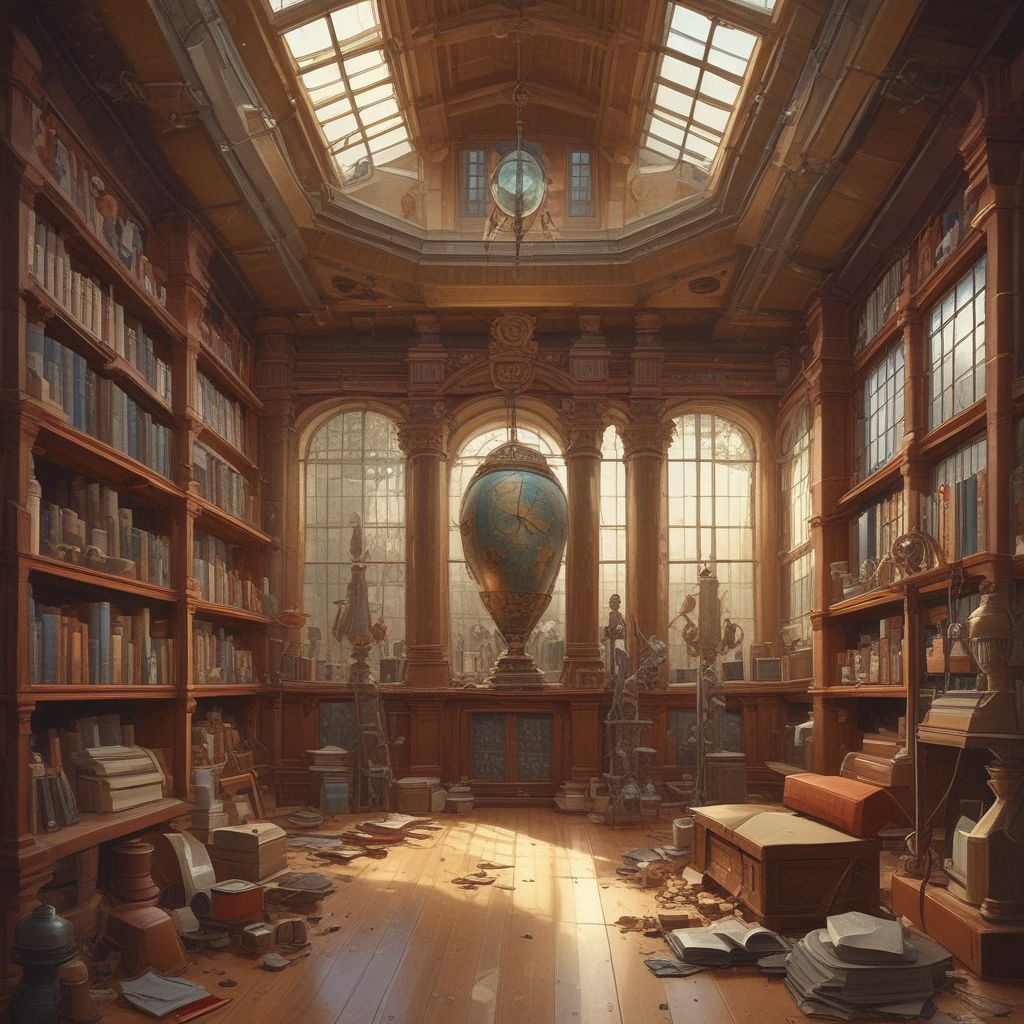
What Are Time Capsule Museums?
Time capsule museums are unique institutions dedicated to collecting and documenting contemporary objects, traditions, and cultural moments. Unlike traditional museums that focus on historical artifacts, these spaces aim to become living archives for future generations. They gather items that reflect the current era, ensuring that tomorrow’s historians can understand the world as it exists today.
A Modern Mission
These museums operate on a simple yet powerful idea: preserve the now for the later. Curators prioritize items that embody modern lifestyles, technological advancements, and societal shifts. From everyday tools to groundbreaking innovations, every selected piece tells a story about present-day culture.
How They Collect Artifacts
Curators use a meticulous process to choose artifacts that truly represent an era. This involves:
- Identifying Trends: Monitoring social media, fashion, technology, and art to spot influential movements.
- Community Contributions: Inviting the public to donate objects that hold personal or cultural significance.
- Expert Consultation: Collaborating with historians, designers, and technologists to assess an item’s long-term value.
Everyday Objects, Lasting Impact
The most powerful collections often include mundane yet meaningful items—a smartphone charged with the latest app, a popular fast-food container, or a viral dance move recorded on a handheld device. These objects may seem ordinary now, but they offer invaluable context for future scholars studying daily life in the 21st century.
Challenges in Preservation
Building a time capsule museum is not without difficulty. Key challenges include:
- Resource Limits: Budgets and storage space restrict the number of items that can be collected.
- Technological Obsolescence: Ensuring digital artifacts remain accessible as formats evolve.
- Ethical Considerations: Balancing public interest with privacy concerns when archiving personal items.
Solving Preservation Puzzles
To overcome these hurdles, many museums adopt innovative strategies. Some partner with tech companies to create digital archives, while others use crowdfunding to expand their collections. Ethical guidelines are strictly followed to protect sensitive information and obtain proper consent from contributors.
Examples Around the World
Time capsule museums exist globally, each with its own focus:
European Archives
In cities like Berlin and Amsterdam, institutions prioritize documenting the digital revolution—preserving early internet artifacts, gaming consoles, and social media interfaces. These collections aim to show how technology reshaped communication and culture.
Asian Innovations
Museums in Tokyo and Singapore focus on rapid technological advancements and urban living. Exhibits feature cutting-edge robotics, smart city prototypes, and the evolution of mobile payment systems, highlighting Asia’s role as a global innovation hub.
North American Everyday Life
In the United States and Canada, curators emphasize consumer culture and pop culture phenomena. Collections include viral merchandise, streaming device interfaces, and sustainable packaging designs, reflecting societal values around convenience, entertainment, and environmental awareness.
Why It Matters
Time capsule museums serve a vital role in bridging past, present, and future. They allow historians to examine societal trends with nuance, offering insights into how technology, politics, and culture intertwine. By preserving both monumental and mundane objects, these institutions create a multidimensional portrait of an era.
A Window for Future Scholars
For researchers decades from now, these museums will be invaluable. They provide context for understanding economic shifts, artistic movements, and everyday experiences that shaped the early 21st century. The collected artifacts act as primary sources