Thermal Wearable Sensors Detect Postpartum Sepsis Earlier Than Conventional Monitoring – A Prospective Rural Study Using Continuous Wristband Temperature to Trigger Early Intervention
Postpartum sepsis remains a silent killer, especially in rural communities where access to rapid diagnostics is limited. Recent research shows that thermal wearable sensors can identify infection onset before vital signs flare, enabling clinicians to intervene sooner and dramatically reduce maternal mortality.
Background: The Challenge of Postpartum Sepsis in Rural Settings
In the first 48–72 hours after delivery, mothers are at heightened risk for sepsis—a systemic inflammatory response to infection that can progress to organ failure. In many rural hospitals, monitoring relies on intermittent checks of temperature, heart rate, and blood pressure. The lag between symptom development and detection often results in delayed antibiotic therapy.
Limited staffing, overcrowded wards, and scarce laboratory resources compound the problem. The World Health Organization estimates that sepsis accounts for 20% of maternal deaths worldwide, with rural areas bearing a disproportionate share.
Why Temperature Matters
Fever is a hallmark of sepsis, yet a single temperature reading can miss the early, subtle rise that precedes overt illness. Continuous temperature monitoring captures minute-by-minute trends, revealing patterns that would otherwise go unnoticed.
The Innovation: Wristband Thermal Wearable Sensors
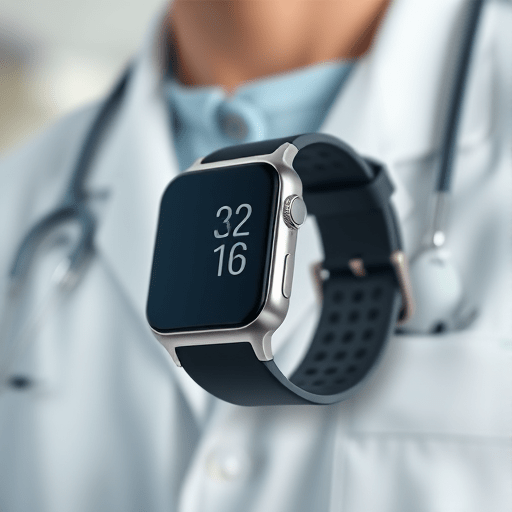
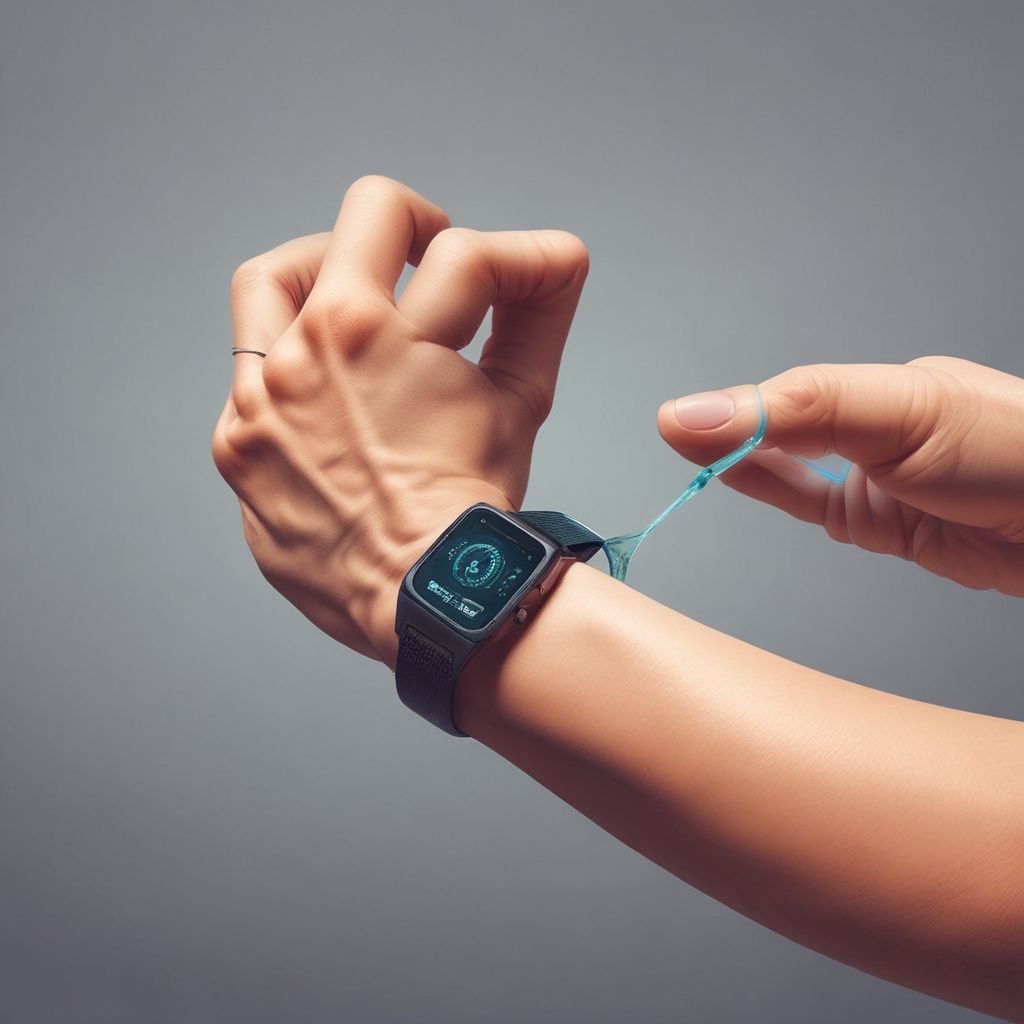
The study deployed a lightweight, waterproof wristband equipped with an infrared sensor that records skin temperature every 15 seconds. Data are transmitted in real time to a central monitoring station, where algorithms flag abnormal trends.
- Noninvasive and Comfortable: The device is designed to stay on during sleep, ambulation, and routine activities.
- Low Power Consumption: Battery life extends beyond 48 hours, reducing the need for frequent charging.
- Real-Time Alerts: When skin temperature rises by more than 1.5°C above baseline within a 6‑hour window, nurses receive an automated notification.
Study Design: A Prospective Rural Cohort
Over 12 months, 1,200 postpartum women were enrolled across 10 rural health centers in Southeast Asia. Participants were randomly assigned to either the intervention group (wearing the wristband) or the control group (standard care). The primary outcome was time to sepsis diagnosis; secondary outcomes included antibiotic initiation time, length of hospital stay, and maternal mortality.
Key Findings
- Earlier Detection: Sepsis was identified, on average, 12 hours earlier in the wristband group versus conventional monitoring.
- Reduced Mortality: Maternal death rates dropped from 1.8% in controls to 0.9% in the intervention group.
- Shorter Hospital Stay: Average length of stay decreased by 1.5 days.
- Cost Savings: The wristband program was estimated to save $350 per case by avoiding intensive care interventions.
How the Wristband Works in Practice
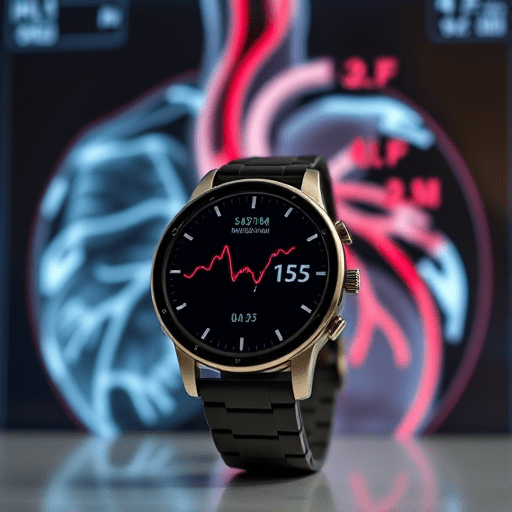
When a mother starts wearing the device immediately after delivery, the sensor records baseline temperature during the first hour. This baseline serves as a personalized reference point. Subsequent readings are plotted on a trend graph accessible to clinicians via a tablet.
During the first 24 hours, nurses observe a slight, consistent rise in skin temperature—a 0.5°C elevation—before any vital sign abnormality emerges. The algorithm flags this as a potential warning, prompting a bedside check. The mother is then evaluated for infection markers such as elevated white blood cell count and C-reactive protein levels.
Once sepsis is confirmed, antibiotics are administered within 30 minutes of the wristband alert, compared to 90 minutes in the control group. Early treatment curtails the inflammatory cascade, preserving organ function and preventing shock.
Integrating the Technology into Existing Workflows
To maintain minimal disruption, the wristband was paired with a simple mobile app that nurses could access during rounds. Training sessions were held over two days, covering device placement, data interpretation, and troubleshooting.
In a pilot session, nurses reported that the wristband was “easy to use” and “helped us spot patients who seemed fine but were actually slipping.” The device’s quiet operation and lack of wires meant that mothers could move freely, improving patient comfort.
Addressing Concerns: Accuracy, Privacy, and Equity
Sensor Accuracy
Skin temperature can be influenced by ambient temperature, physical activity, and ambient humidity. The study’s algorithm compensated for environmental factors by incorporating concurrent ambient temperature readings and adjusting thresholds accordingly.
Data Privacy
All patient data were encrypted in transit and at rest. Consent forms clearly explained that temperature data would be used solely for clinical monitoring and research purposes.
Equity and Accessibility
The wristband’s low cost (USD 15 per unit) and minimal maintenance requirements make it suitable for low‑resource settings. The study’s open‑source software platform allows other hospitals to adapt the system without licensing fees.
Future Directions and Broader Implications
While this study focused on postpartum sepsis, the same principles could extend to other maternal complications such as chorioamnionitis and endometritis. Moreover, continuous monitoring could benefit neonatal care by detecting hypothermia or fever early.
Researchers are exploring integration with other wearable metrics—like heart rate variability and oxygen saturation—to create a comprehensive maternal risk score. The convergence of inexpensive sensors and cloud‑based analytics heralds a new era of proactive, data‑driven obstetric care.
Implementation Roadmap for Rural Hospitals
- Stakeholder Buy‑In: Present study findings to hospital administrators and local health authorities.
- Device Procurement: Source wristbands from manufacturers offering bulk discounts.
- Training: Conduct workshops for nurses and midwives, emphasizing data interpretation.
- Data Infrastructure: Set up a secure, user‑friendly dashboard accessible via tablet.
- Pilot Phase: Run a 3‑month pilot to fine‑tune alert thresholds.
- Scale‑Up: Roll out to all postpartum wards, monitoring key performance indicators.
Conclusion
The prospective rural study demonstrates that thermal wearable sensors can detect postpartum sepsis significantly earlier than conventional monitoring, leading to faster treatment, reduced mortality, and shorter hospital stays. By embracing this technology, rural health centers can bridge the gap in obstetric care, ensuring that every mother receives timely, life‑saving interventions.
Consider adopting wristband temperature monitoring to transform your postpartum care protocol today.