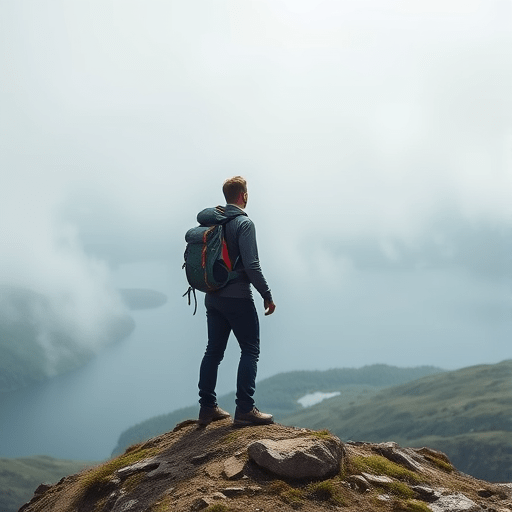
The Sunrise-to-Stargaze Road Trip is an adventurous hybrid itinerary that times short summit backpacking at dawn and dark‑sky stargazing by night, blending alpine sunrises with unforgettable views of the Milky Way. This guide walks through route planning, a sample 4‑day loop, essential gear, timing and permit hacks, photography tips, and safety considerations so you can chase summits and stars without burning daylight (or your sanity).
Why combine summit backpacking and dark‑sky stargazing?
Short summit backpacking at dawn gives you the payoff of a quiet ridge and the golden hour glow, while driving to a nearby certified dark‑sky site (or dispersed BLM spot) for nighttime astrophotography multiplies the trip’s reward. The hybrid model leverages lower daytime crowds, efficient travel windows, and the best light twice in 24 hours: sunrise for landscape drama and night for celestial spectacle.
Planning the route: geography, distance and logistics
Pick a region where high summits and certified dark‑sky areas coexist within a few hours’ drive. Ideal regions include the Intermountain West (Utah, Colorado), the Sierra Nevada, and parts of the Desert Southwest. Aim for a loop or point‑to‑point route where driving windows between stops are 2–4 hours—long enough to reset but short enough to avoid late‑night fatigue.
Sample 4‑day hybrid loop (example)
- Day 1: Arrive at trailhead town, gear check, reserve campsite near park boundary.
- Day 2 (Summit/Dawn): Short overnight approach (3–6 miles) with light pack; summit before sunrise, enjoy breakfast and descent; midday nap or local short hikes; late afternoon drive to dark‑sky site (1–3 hr).
- Day 2 (Stargaze): Set up at dark‑sky campground/dispersed site after sunset; astrophotography session or casual stargazing after moonset.
- Day 3: Repeat with a different summit or a lower ridge, or use as a rest/travel day to reposition for another dark‑sky location.
- Day 4: Finish with a scenic sunrise viewpoint near your exit route and drive home.
Timing fundamentals: astronomy meets alpinism
Timing is the linchpin. Use sunrise and astronomical twilight tables to plan summit departure and stargazing windows. For summit backpacking, plan hiking to arrive at the ridge 20–40 minutes before official sunrise to catch pre‑dawn color. For stargazing and astrophotography, aim for nights around new moon or when moonrise is well after midnight; astronomical twilight (when the sky is darkest) begins roughly 90 minutes after sunset depending on latitude.
- Sunrise timing: Start hiking so you reach the summit 20–40 minutes pre‑sunrise.
- Stargazing timing: Target the 3–4 hour window after astronomical twilight and before moonrise for best Milky Way visibility.
- Travel buffer: Factor 1–2 hours between descent and departure for gear stow, snacks, and short naps.
Essential gear for a Sunrise-to-Stargaze Road Trip
Gear must balance lightweight summit efficiency with nighttime warmth and photography needs. Pack the following essentials:
- Backpacking kit: Ultralight 1–2 person tent or bivy, 20–30°F down quilt, lightweight stove, hydration system, trekking poles.
- Clothing: Layering system—base layer, insulating midlayer, wind shell, warm hat and gloves for summit and night chill.
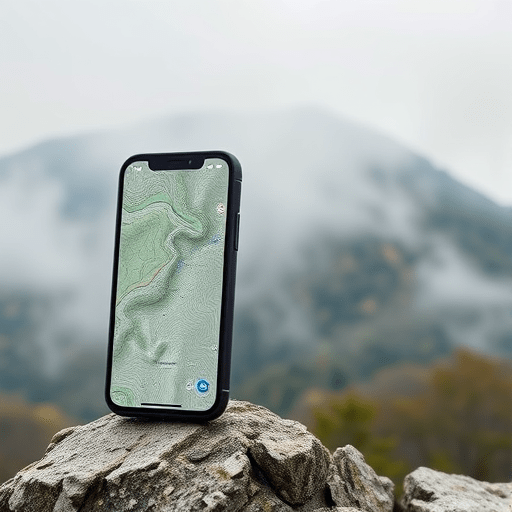
- Navigation & safety: Topographic map, GPS app (Gaia or AllTrails offline maps), headlamp with red mode, first‑aid kit, bear canister if required.
- Stargazing/Photo kit: Wide‑angle fast lens (14–35mm, f/1.4–f/2.8), sturdy tripod, remote shutter, extra batteries, star tracker (optional), red headlamp for preserving night vision.
- Car & camp: Cold‑weather sleeping pad, camp chair or foam sit pad, cooler for food, charging bank for devices.
Permit hacks and access strategies
Permits can be the trickiest part—especially combining overnight climbs and night camping across public lands. Use these permit hacks to stay flexible:
- Search early and often: Many park permit systems release cancellations or additional permits at irregular times—check daily and set calendar reminders for release windows.
- Mix jurisdictions: Pair a national park summit permit with a BLM or state park dark‑sky site to reduce competition for backcountry slots.
- Use turnaround days: If a desired permit is sold out, book a nearby trailhead or campground as a backup and hike a different peak at dawn.
- Flexible routes: Plan a list of 2–3 potential summits and 2–3 stargazing sites within driving range so permits, weather, or crowds don’t derail the trip.
- Local ranger intel: Call the ranger district—rangers often know of lesser‑used access points, walk‑in permits, or current gate schedules.
Photography and stargazing tips
For sunrise shots, bracket exposures and use a graduated ND when the horizon is much brighter. For astrophotography, start with the 500/600 rule (500 ÷ focal length = max single exposure seconds) to avoid star trails, then increase ISO while watching noise. Bring spare batteries: cold nights and long exposures drain them quickly. Use PhotoPills or Stellarium to plan Milky Way position and timing relative to your planned foreground.
Safety, Leave No Trace, and altitude considerations
Altitude fatigue can sabotage both dawn climbs and night drives—acclimatize if possible and keep effort moderate: short summit backpacking means lighter loads and conservative pacing. Never drive at night in unfamiliar mountain roads if you’re sleep deprived. Practice Leave No Trace principles: pack out waste, keep campfires within local rules, and use red lights to protect dark‑sky integrity for others.
Apps, tools and checklist
Bring these frequently updated tools to reduce guesswork:
- PhotoPills or Stellarium (astronomy planning)
- Gaia GPS / AllTrails (offline topo maps)
- National Park Service or Forest Service reservation portals
- Weather apps with mountain forecasts (MeteoBlue, Mountain-Forecast)
- Moon phase calendars and sunrise/sunset calculators
Final routing idea: sample region picks
- Utah Plateau: Dawn summit at a 7–9 mile ridge in the La Sal or Henry Mountains, then drive to Capitol Reef or Grand Staircase–Escalante for dark skies.
- Sierras: Short alpine approach for a high viewpoint before sunrise, then descend and head to Mono Lake or Yosemite’s high meadows for a night under the Milky Way.
- Colorado Rockies: Quick ridge hikes near Crested Butte or Gunnison, paired with Gunnison Basin or Great Sand Dunes for dark skies.
With the right planning, a Sunrise‑to‑Stargaze Road Trip turns two spectacular windows—dawn and deep night—into a single, memory-packed adventure. Keep a flexible route, minimalist summit approach, and the best stargazing kit in reach and the sky is the limit.
Ready to plot your Sunrise-to-Stargaze Road Trip? Map your first route tonight and reserve that sundown campground.