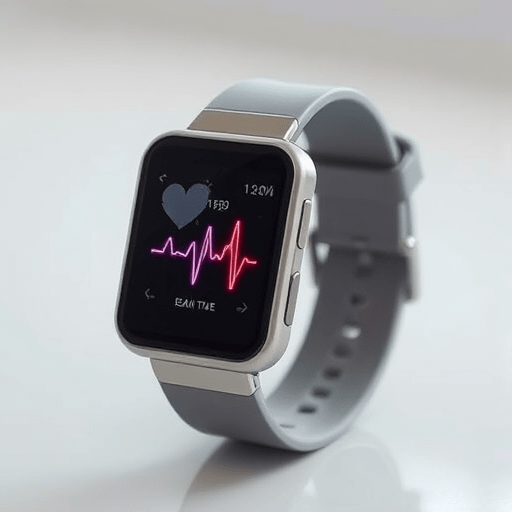
The rise of social-signal wearables predicting mental-health crises is opening a new frontier in early intervention: by combining heart rate variability (HRV), voice prosody, and proximity sensing, privacy-first devices can forecast risk and trigger supportive actions before depressive episodes escalate. This article explains how these multimodal wearables work, why privacy matters, how interventions can be designed responsibly, and what clinicians and product teams should consider when adopting them.
What are social-signal wearables and why they matter
Social-signal wearables are small, body-worn or ambient devices that collect subtle physiological and behavioral cues—like HRV patterns, voice tone changes, and social proximity—to infer a person’s mental state. Unlike single-sensor monitors, multimodal systems can detect the complex, interacting signals that precede depressive episodes, enabling earlier, more targeted support. Early detection is critical: timely support can reduce symptom severity, lower hospitalization risk, and improve long-term recovery trajectories.
Core signals: HRV, voice prosody, and proximity sensing
Heart rate variability (HRV)
HRV reflects autonomic nervous system balance and stress regulation. Declines or increased volatility in HRV over days can indicate mounting physiological stress and reduced resilience—common precursors to depressive episodes. Wearables measure HRV through photoplethysmography (PPG) or ECG sensors, with algorithms smoothing out noise and identifying clinically relevant trends.
Voice prosody
Voice prosody—the rhythm, pitch, and energy in speech—changes with mood. Flattened intonation, slowed speech tempo, and reduced variability often accompany low mood. Crucially, privacy-first systems analyze prosodic features rather than content, extracting pitch contours and energy metrics on-device and discarding raw audio to protect privacy.
Proximity sensing
Proximity sensing captures social patterns: time spent near others, frequency of social contacts, and changes in routine. Social withdrawal—spending more time alone or missing habitual interactions—is a robust behavioral predictor of depressive escalation. Bluetooth or ultra-wideband (UWB) proximity sensors can quantify these patterns without recording conversations or precise locations.
How fusion models forecast crises
Predictive strength comes from fusing multiple signals. Multimodal models apply temporal pattern recognition—such as recurrent networks, temporal convolution, or time-series transformers—to detect converging changes across HRV, prosody, and social engagement. For example, a week of declining HRV, combined with flattened voice prosody and reduced proximity events, raises the model’s inferred risk above thresholds that warrant outreach.
Designing privacy-first devices
- Edge processing: Analyze raw signals on-device and store only derived features or encrypted risk scores to minimize data exposure.
- Data minimization: Collect the least amount of information necessary—prosodic features, HRV metrics, and anonymized proximity counts rather than raw audio or GPS traces.
- Transparent consent: Use clear, layered consent flows explaining what is collected, how it’s used, and who can access alerts.
- Human-in-the-loop: Ensure clinicians or trusted contacts review high-risk flags before escalations that could have serious consequences.
- Federated learning: Train models across devices without centralizing raw data, improving accuracy while preserving privacy.
Triggering supportive interventions—practical and ethical approaches
When a device forecasts elevated risk, interventions should be proportional, user-centered, and avoid causing alarm. Examples include:
- Contextual nudges: gentle notifications suggesting a short breathing exercise, a mood check, or a reminder to take medication.
- Micro-interventions: guided 3–5 minute activities (breathing, grounding, or behavioral activation tasks) delivered directly on the wearable or smartphone.
- Social support prompts: optional, user-approved alerts to a designated friend, family member, or care coordinator when risk persists or escalates.
- Clinical escalations: with explicit prior consent, a triage message to a care team when combined signals indicate imminent risk.
Ethical safeguards are essential: users must control their alert recipients, be able to pause monitoring, and receive clear information about false positives and limits of prediction.
Accuracy, false positives, and clinical integration
No predictive system is perfect. Multimodal wearables reduce false positives by requiring concordant signals across modalities, but teams must tune sensitivity to minimize unnecessary alerts. Clinical integration should treat device output as an adjunct—one input among many—rather than definitive diagnosis. Pilot studies and continuous post-deployment monitoring are needed to validate real-world performance and equity across populations.
Real-world scenarios and case examples
Consider a 28-year-old whose wearable flags a gradual HRV decline over ten days, flattened voice prosody during two brief voice notes, and sharply reduced proximity events compared with baseline. The device prompts a short, user-chosen coping exercise and offers to message a pre-selected friend; the friend checks in, and the user schedules a teletherapy session—an example of low-friction support that prevented escalation.
Getting started: guidance for clinicians and product teams
- Start small: run controlled pilots with clear outcome metrics (engagement, symptom change, intervention uptake).
- Co-design with users: involve people with lived experience to set consent rules, alert thresholds, and preferred interventions.
- Measure equity: test across ages, genders, languages, and cultural contexts to prevent biased performance.
- Regulatory alignment: consult data protection laws and medical device guidance early to design compliant workflows.
Future directions
Advances in low-power signal processing, federated model updates, and richer yet privacy-preserving behavioral features will make social-signal wearables more accurate and acceptable. Integration with digital therapeutics and stepped-care models could enable seamless paths from early detection to evidence-based intervention, all while respecting autonomy and dignity.
In short, social-signal wearables predicting mental-health crises offer a promising, humane way to catch depressive escalations earlier—provided devices are built with robust privacy, transparent consent, and thoughtful intervention design.
Conclusion: When multimodal sensors, privacy-first engineering, and empathetic intervention pathways are combined, wearables can become trusted partners in mental health care rather than intrusive trackers.
Call to action: Learn more about designing privacy-first mental-health wearables and start a pilot with a user-centered, ethically guided protocol today.