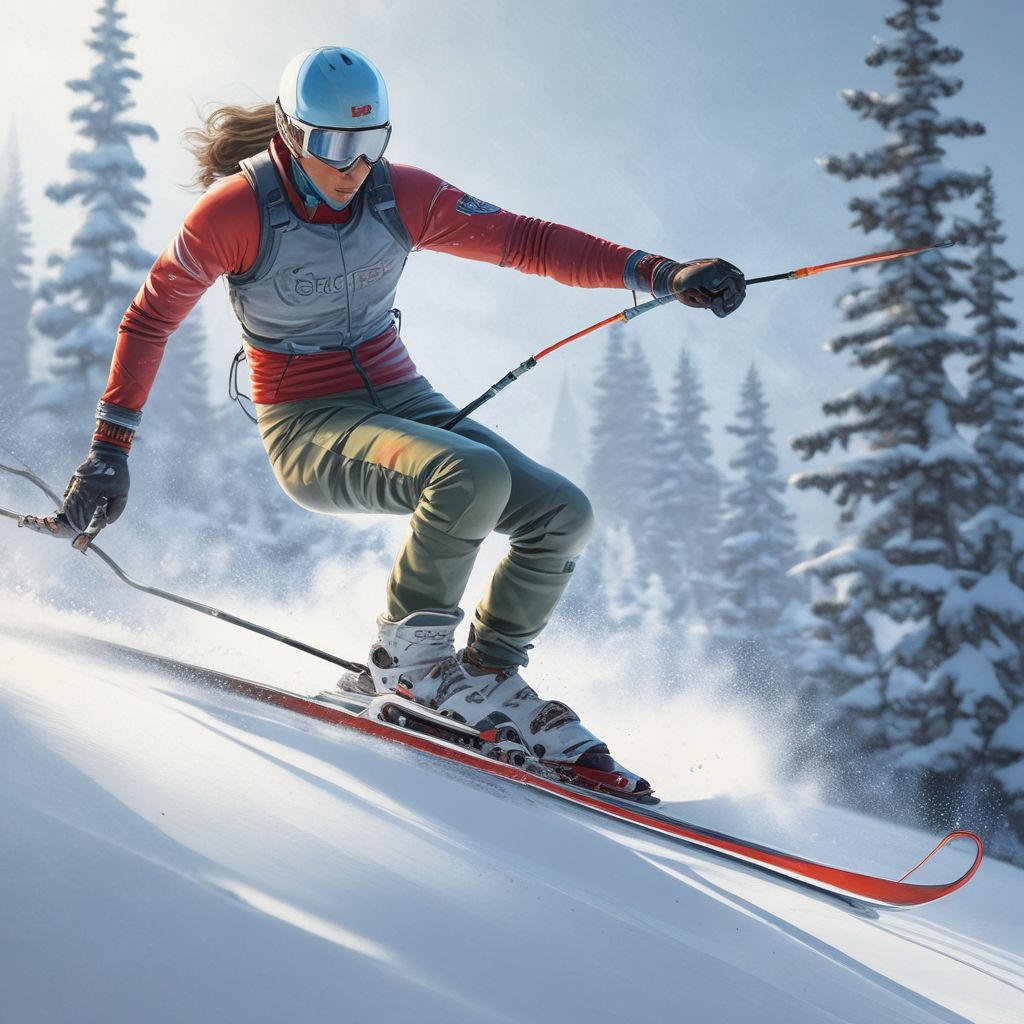
Biomechanics coach apps are redefining ski coaching by using smartphone sensors and AI to deliver real‑time technique feedback that helps weekend skiers reduce ACL injury risk while developing pro‑level carving skills. Whether you ski two weekends a season or chase powder every trip, these apps translate motion data into actionable corrections—bringing lab‑grade biomechanics to the lift line.
Why ACL Injuries and Technique Matter
Anterior cruciate ligament (ACL) injuries are among the most common and career‑disrupting knee injuries in skiing. Many non‑contact ACL tears happen when the skier’s alignment, weight distribution, or timing around turns is off—issues that traditional coaching can spot, but only if you have a coach on the slope. For most recreational skiers, that kind of instruction is expensive and rare. Biomechanics coach apps fill that gap by continuously monitoring movement patterns and offering instant cues to prevent dangerous positions before they become injuries.
How Smartphone Sensors Become Motion Labs
Modern smartphones include inertial measurement units (IMUs)—accelerometers, gyroscopes, and sometimes magnetometers—that capture acceleration, rotation, and orientation at high frequency. Paired with GPS and barometric data, these sensors map what your body and skis are doing in three dimensions.
Key sensor inputs
- Accelerometer: Detects linear movement and impact forces (useful for landing mechanics and abrupt decelerations).
- Gyroscope: Measures angular velocity—critical for analyzing rotation and edge transitions during carving.
- Barometer/GPS: Tracks vertical movement and slope speed, offering context for technique under different velocities.
AI and Biomechanics: Turning Data into Tips
Raw sensor streams need interpretation. That’s where AI and biomechanics models come in. Machine learning algorithms trained on thousands of labeled runs map sensor patterns to technique states—edge angle, weight bias, knee valgus (inward collapse), and timing of weight transfer. The app uses those models to identify risky signatures associated with ACL injury mechanics, then offers corrections.
Real‑time feedback loop
- Data capture: Sensors stream data to a local model or the cloud.
- Pattern recognition: AI detects technique markers and flags deviations (e.g., late weight shift or excessive knee abduction).
- Actionable cue: The app delivers audio, haptic, or visual feedback—“shift your weight earlier,” “reduce upper‑body rotation”—so the skier can adjust mid‑run.
What Makes These Apps Effective for Weekend Skiers
Several features make biomechanics coach apps particularly powerful for recreational skiers:
- Accessibility: Coaching that used to require an in‑person session or video analysis is now available on your phone.
- Affordability: Subscription or one‑time app fees are far cheaper than ongoing private lessons.
- Repetition and reinforcement: Immediate, repeated feedback accelerates motor learning more than delayed analysis.
- Personalization: Models adapt to body type, skill level, and equipment to avoid one‑size‑fits‑all advice.
Practical Examples: From Data to Better Carves
Here are concrete ways a biomechanics coach app helps you carve with less injury risk:
- Edge timing correction: The app senses late edge engagement and cues an earlier edge change, reducing torsional stress on the knee.
- Weight distribution coaching: If the sensor detects too much rear‑foot loading at high speed, it prompts a forward weight bias to stabilize the joint.
- Rotation control: Excess trunk rotation often precedes a catch; the app flags abrupt rotational spikes and suggests posture adjustments.
- Landing mechanics after jumps: High impact and poor knee alignment are detected and the app recommends softening absorption through ankle and hip engagement.
Design and UX Considerations for On‑Slope Use
Delivering feedback on a cold, noisy mountain requires careful UX design:
- Audio cues: Short voice prompts or tones so skiers can keep hands on poles and eyes on the slope.
- Haptic nudges: Wearable vibration cues when phones are pocketed—subtle but immediate.
- Minimal interruptions: Feedback should be concise and prioritized—only the most critical corrections during a run, with a full analysis after.
Privacy, Data Ownership, and Safety
Sensor data is sensitive. Ethical biomechanics coach apps make sure users control their data, with local processing options and clear consent mechanisms for sharing runs. Safety must be prioritized: apps should never instruct users to attempt maneuvers beyond their skill level and should advise professional instruction when a risky pattern persists.
Limitations and What Human Coaches Still Do Best
Apps excel at quantitative detection and repetition, but human coaches offer qualitative context—mental strategy, equipment tuning, and nuanced tactile cues. The best approach blends both: use an app for daily feedback and a human coach for periodic, deeper adjustments. Many advanced programs combine app sessions with remote coach review, creating a hybrid coaching ecosystem.
Getting Started: A Weekend Skier’s Checklist
- Choose a reputable biomechanics coach app (look for research, athlete testing, and transparent privacy policies).
- Calibrate your device and set skill level and goals (injury prevention vs. carving performance).
- Use audio or haptic feedback while on easy runs before applying tips at speed.
- Review post‑run analytics and commit to 2–3 technique drills suggested by the app each session.
- Supplement app cues with occasional in‑person lessons to validate progress.
Future Directions: Toward Widespread Injury Reduction
As datasets grow, these apps will refine ACL‑risk detection and offer prescriptive training plans that adapt across seasons. Integration with wearables, ski bindings, and resort telemetry will enable even richer context-aware coaching—creating an environment where fewer skiers leave the mountain with career‑ending injuries and more carve confidently at every level.
Conclusion: Biomechanics coach apps put powerful, science‑backed coaching in the pockets of weekend skiers, delivering real‑time sensor‑driven feedback that reduces ACL risk and accelerates carving skill acquisition. With responsible design and smart use, these tools democratize elite coaching and make safer, better skiing accessible to everyone.
Ready to improve your technique and protect your knees? Try a Slopecraft‑style biomechanics coach app on your next ski day and pair it with one in‑person lesson for maximum gains.