The rise of prototype ROM dumps has opened a new chapter in video game preservation and research: “prototype ROM dumps” are not just digital curiosities, they’re evidence—often messy and illuminating—of how games evolved, how studios worked under pressure, and how hardware limits shaped creative choices in the 1990s.
Why prototype ROM dumps matter
When a canceled cartridge or a development build surfaces, it does more than satisfy nostalgia. Prototype ROM dumps provide primary-source material for historians, fans, and developers interested in the production timelines, design experiments, and abandoned ideas that never reached retail shelves. Unlike interviews or marketing copy, these ROMs contain real code, debug strings, unused assets, and configuration flags that reveal decision points frozen in time.
What kinds of discoveries emerge
- Cut levels and alternate endings that suggest narrative directions studios experimented with.
- Debug menus and build metadata (timestamps, developer initials) that show workflows and iteration speed.
- Placeholder graphics and unused sound tracks that expose rapid prototyping techniques and last-minute trade-offs.
The detective work of restoring canceled cartridges
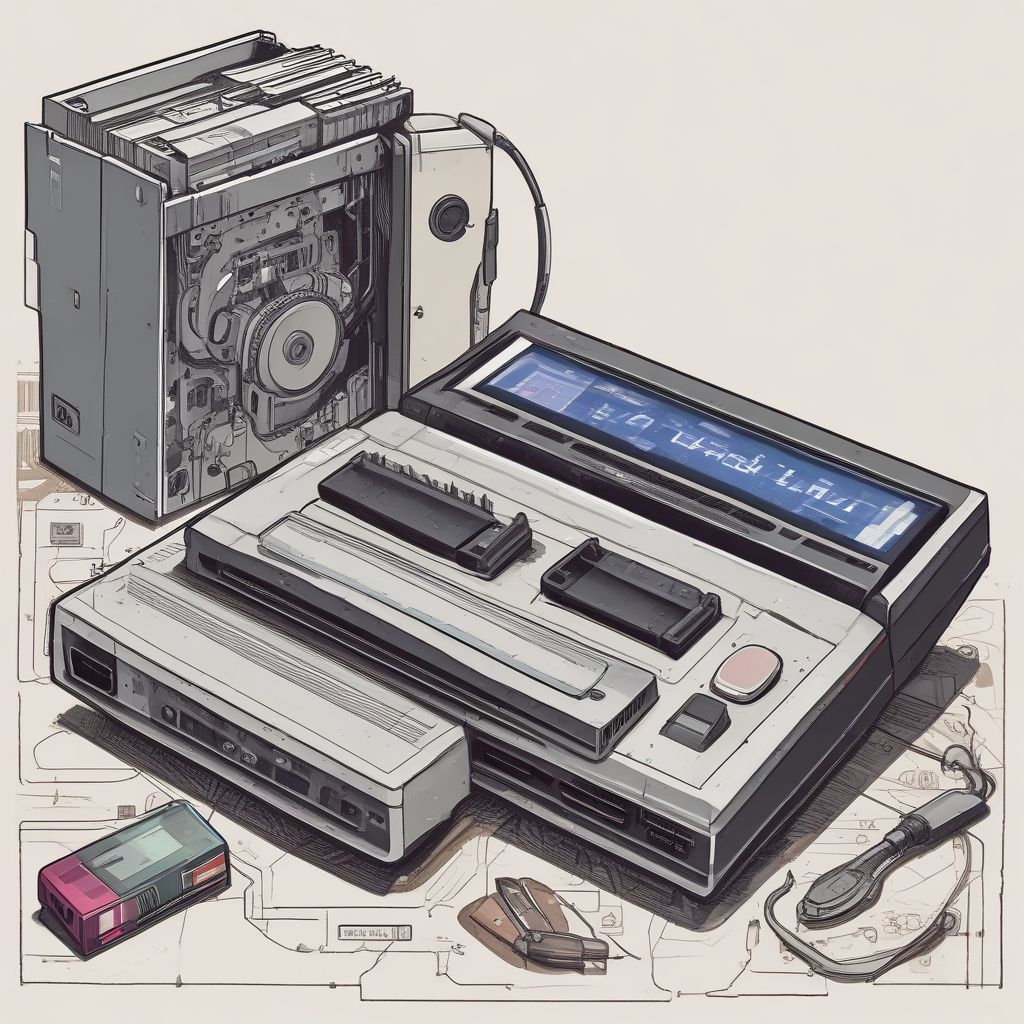
Restoring a canceled cartridge is a careful mixture of hardware hacking, software forensics, and archival research. The process often begins with physically extracting the ROM chip from a PCB, but that’s just the start: the data must be read reliably, reconstructed if corrupted, and interpreted against dozens of possible cartridge header formats and console quirks.
Common techniques used by restorers
- EPROM/EEPROM dumping: Reading chips with specialized hardware to produce a raw binary image.
- PCB tracing and photogrammetry: Documenting traces, chips, and custom logic to map out copy-protection or bank-switching schemes.
- Checksum repair and header reconstruction: Fixing truncated images or adapting ROMs to run on emulators by restoring missing metadata.
- Cross-referencing test builds: Using known serial numbers, debug text, and contemporaneous dev notes to confirm provenance.
Why technical accuracy matters
Accurate dumping preserves not only the code but also the historical context: a single flag or overwritten pointer can change an entire feature’s appearance. Restorers treat these builds like archaeological finds, documenting chain-of-custody and recording every intervention to preserve scholarly value.
What lost builds reveal about studio culture
Prototype ROM dumps are windows into studio dynamics. A debug message blaming memory limits, for example, can corroborate oral histories of teams pressured to cut features. Repeated references to internal tools, test harnesses, or developer names in code comments illuminate how teams collaborated across departments—designers leaving sprite notes, audio teams leaving placeholder cues, and programmers toggling experimental modes.
- Rapid prototyping: Multiple divergent builds show how teams hedged bets—trying several mechanics in parallel before settling on one.
- Technical debt and workarounds: Hacks in the codebase reveal how teams prioritized shipping over perfect architecture under tight deadlines.
- Leadership and risk-taking: Abandoned features often reflect managerial decisions, where creative risk met commercial caution.
Hardware limits as a creative force
90s consoles were defined by strict CPU cycles, tiny RAM budgets, and idiosyncratic memory-mapping. Prototype ROM dumps reveal how developers squeezed performance and design nuance from these constraints, and how those limits shaped iconic aesthetics and gameplay.
For example, placeholder tiles and truncated music in a prototype can show an engine mid-optimization: sprites were combined into clever palettes to save VRAM, or levels were restructured to avoid expensive sprite-overlap routines. Those constraints often forced elegant solutions—innovations that later became genre staples.
Examples of constraint-driven creativity
- Dynamic level streaming to hide slow cartridge read speeds.
- Sprite multiplexing techniques that doubled apparent on-screen enemies without extra hardware.
- Audio compression hacks that prioritized memorable hooks over fidelity, defining the era’s sound.
Ethics, legality, and the preservation debate
Prototype ROM dumps live at the intersection of legal gray areas and cultural preservation. Many ROMs are copyrighted material and their release may run afoul of IP owners; at the same time, museums and historians argue that preserving developmental artifacts preserves cultural heritage.
Responsible preservation emphasizes provenance and consent: whenever possible, restorers seek permission or collaborate with former developers and publishers. Transparent documentation and controlled access (archival repositories, research-only releases) balance historical value against rights-holder concerns.
Community practices and the future of discovery
Enthusiast communities, preservation groups, and some former developers form loose coalitions that shepherd prototype finds. Their workflows combine digital tools, oral history initiatives, and hardware expertise. Many groups now maintain catalogs of verified builds and publish detailed restoration logs that serve as both scholarship and living documentation.
As hardware debugging tools become more accessible and collaborative research platforms improve, expect more discoveries: partial builds, overseas localization variants, and even developer test kits that reveal internal betas. Each find reframes our understanding of a studio’s creative arc and the technological limits they embraced or subverted.
Conclusion
Prototype ROM dumps are rewriting 90s console history by turning forgotten artifacts into living documents—evidence that shows how developers navigated constraints, made creative gambles, and left traces of studio culture in their code. They remind us that game history is not just what shipped, but also what was tried, discarded, and occasionally rediscovered.
Explore responsibly: if a prototype surfaces, document everything, respect legal boundaries, and recognize that every dumped ROM can teach us more about how games were made.
Call to action: Join a preservation community or support an archive to help protect and study prototype ROMs for future generations.