Playdate Passport is more than a catchy phrase—it’s a practical way for families to turn vacations into international friendships by using local parent networks to arrange kid-friendly cultural exchanges, shared meals, and playdates that spark lasting bonds. Whether you’re a first-time family traveler or a road-tested explorer, this guide shows how simple planning and community-minded curiosity can transform a holiday into a meaningful cultural connection.
Why the Playdate Passport Approach Works
Traditional sightseeing is memorable, but nothing accelerates cross-cultural understanding like watching kids play together. When children connect, parents naturally swap stories, tips, and traditions. The Playdate Passport approach leverages that energy to create authentic experiences that benefit both families and communities.
- Immediate rapport: Kids build trust quickly, easing language and cultural barriers.
- Shared resources: Local parents often know the best family-friendly spots and hidden gems.
- Lasting networks: A single playdate can evolve into ongoing correspondence, reciprocal visits, or even long-term friendships.
Finding Local Parent Networks
Start by tapping into the right channels—those that match your family’s rhythm and comfort level.
Digital Communities
- Facebook groups for expat families, local parenting groups, and city-specific family pages.
- Parenting apps like Peanut or Meetup tailored to family events and playgroups.
- Travel forums (Reddit, Lonely Planet Thorn Tree) where parents trade recommendations and introductions.
On-the-Ground Options
- Community centers, local libraries, and church or temple family programs often host kid-friendly activities.
- Hotels and family-friendly rentals can sometimes connect guests with neighborhood playgroups.
- Ask at cafés and parks—many local parents appreciate face-to-face outreach and spontaneity.
How to Arrange a Kid-Friendly Cultural Exchange
Organizing a cross-cultural playdate doesn’t need to be complicated. Follow these steps to make it smooth and respectful.
- Introduce yourself clearly: Share your family’s ages, languages spoken, and preferences (e.g., outdoor play, low-sugar snacks).
- Propose neutral locations: Parks, playgrounds, and community centers are ideal for first meet-ups.
- Suggest a simple cultural swap: Bring a snack from home, a short children’s book in your language, or teach a short game—then invite the local family to do the same.
- Keep the plan flexible: Young children are unpredictable; a relaxed schedule reduces stress and increases fun.
Ideas for Kid-Friendly Cultural Activities
Design activities that are accessible, interactive, and rooted in local culture so both kids and parents gain something new.
- Story Swap: Read a short children’s story from each culture and discuss favorite parts.
- Snack Share: Exchange easy, age-appropriate finger foods and explain the tradition behind them.
- Mini-Scavenger Hunt: Create a neighborhood hunt that highlights local landmarks or nature features.
- Craft Exchange: Simple crafts using local materials—paper lanterns, leaf prints, or collaborative postcards.
- Music and Movement: Teach a simple song or dance; children love repetition and rhythm helps bridge language gaps.
Safety, Etiquette, and Respect
Cross-cultural playdates require sensitivity. Respect local norms and prioritize safety to ensure everyone feels comfortable.
- Ask about dietary restrictions and allergies before bringing food.
- Respect privacy: Confirm before taking photos and explain how they’ll be shared.
- Mind local etiquette: Learn simple greetings, appropriate dress, and family customs.
- Use verified channels: Prefer meet-ups arranged through trusted networks or referrals whenever possible.
Nurturing Friendships Beyond a Single Playdate
Turning a playdate into a lasting friendship takes small follow-ups and creativity.
- Exchange contact details: Use messaging apps popular in the region (WhatsApp, LINE, Telegram) for easy follow-up.
- Share a ‘playdate passport’ memento: A postcard, map stamp, or photo album that kids can contribute to and keep.
- Coordinate virtual meet-ups: Video calls where children show toys, teach words, or read across time zones.
- Plan future reciprocity: Invite your new friends to visit your hometown or meet halfway on a future trip.
Sample 48-Hour Playdate Passport Itinerary
Here’s a practical mini-itinerary that blends local discovery with family-friendly exchanges.
- Day 1, Morning: Park meet-up and playground games; snack swap and short cultural song session.
- Day 1, Afternoon: Family stroll to a nearby market or museum with a kid-focused scavenger hunt.
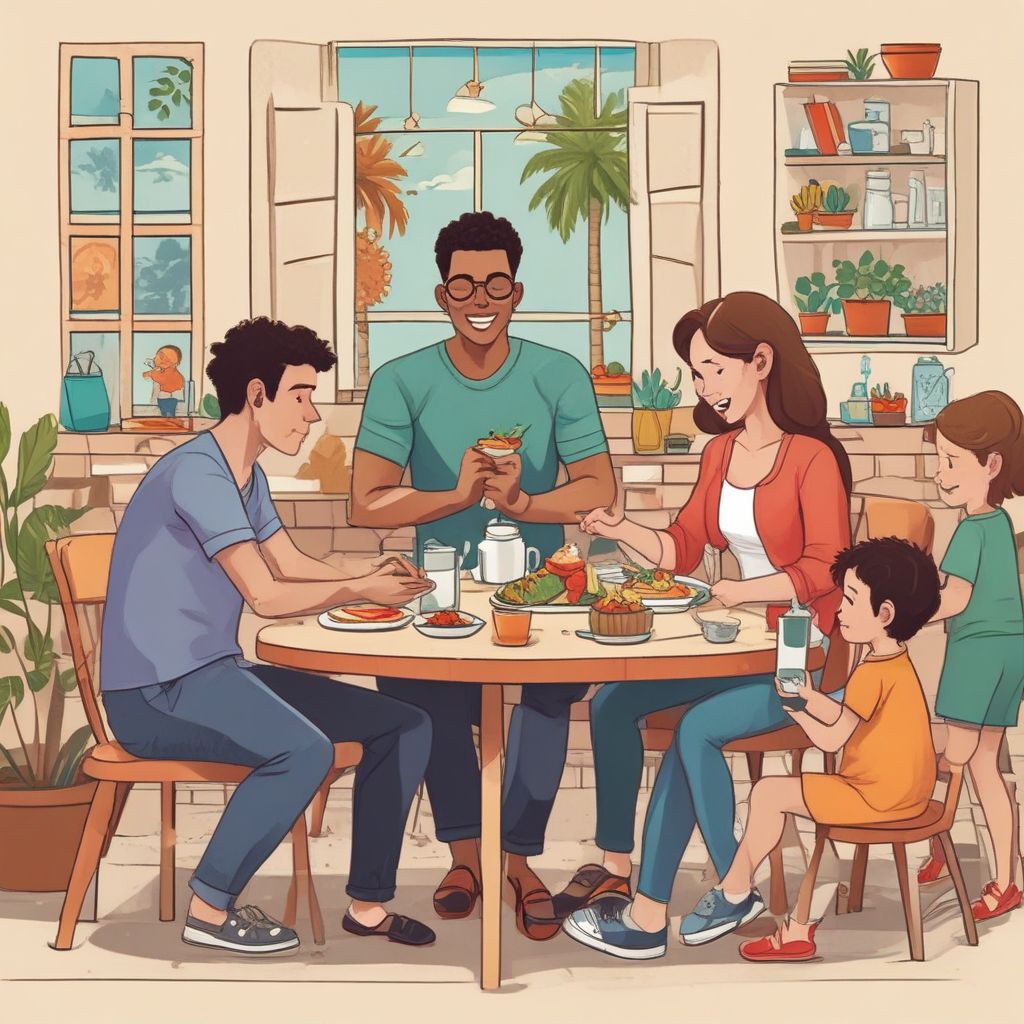
- Day 1, Evening: Shared meal—either at a kid-friendly café or a family-hosted potluck.
- Day 2, Morning: Local community center activity (storytime, craft) with the same families.
- Day 2, Afternoon: Exchange small keepsakes and set up a virtual follow-up date.
Practical Tips from Traveling Parents
- Pack a small playdate kit: stickers, bubbles, a familiar small toy, and a simple welcome note in the local language.
- Be punctual but patient—local rhythms vary and flexibility is part of cultural exchange.
- Keep expectations modest; genuine connection matters more than a perfect schedule.
With a little openness and a Playdate Passport in hand, family travel becomes a two-way cultural exchange that enriches both children and adults. These friendships can reshape how kids view the world—turning foreign places into familiar communities one playdate at a time.
Conclusion: Playdate Passport turns brief vacations into long-term international bonds by using local parent networks to create shared, kid-centered cultural experiences that are safe, fun, and deeply human. Ready to stamp your Playdate Passport and make your next trip more meaningful?
Call to action: Join our global family travel list to get curated playdate ideas and local parent group links for your next destination.