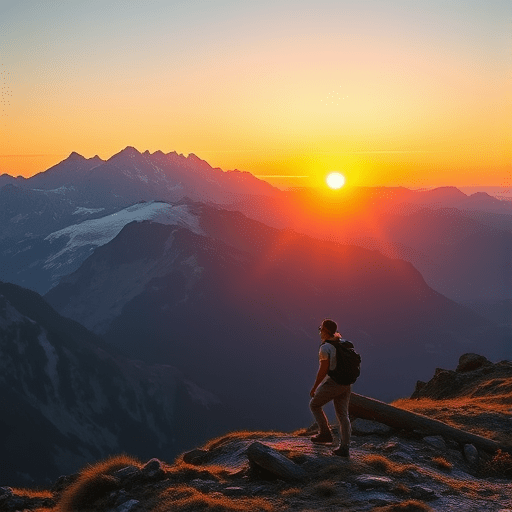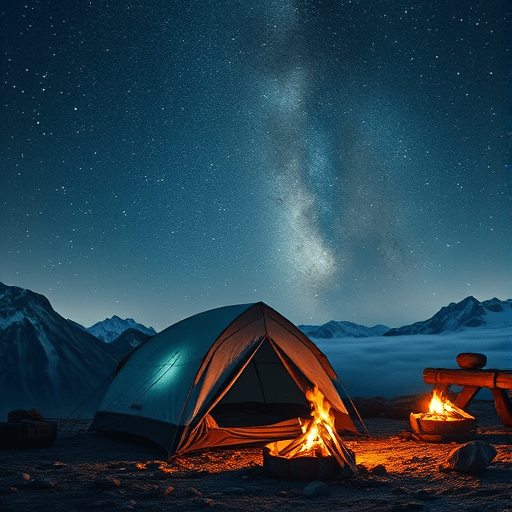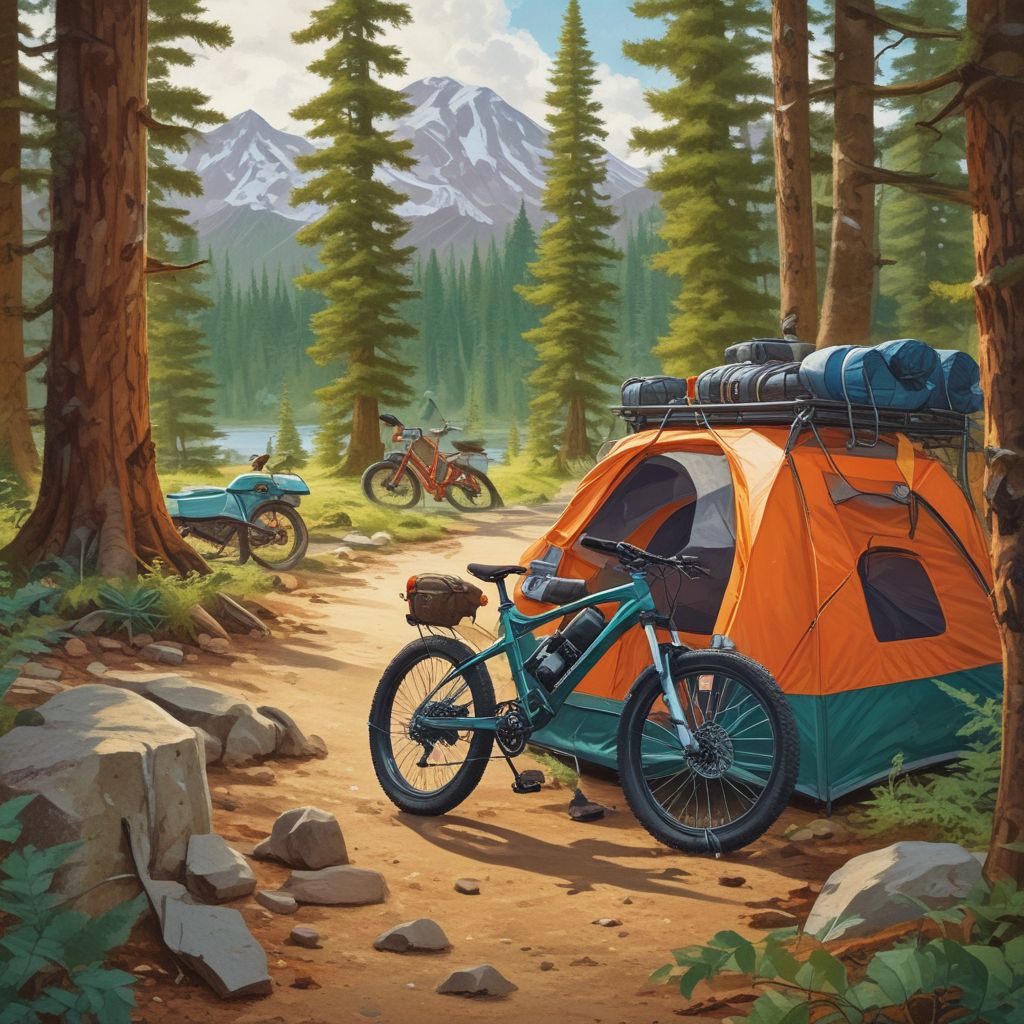
Park, Pedal, Peak is a simple philosophy: drive partway, park the car, and use a compact e-bike to access trailheads, viewpoints, and backcountry campsites—reducing long drives while adding range and fun to day hikes. This guide explains route planning, charging strategies, and ultralight-packing tips so your compact e-bike becomes the perfect last-mile companion for deeper, eco-friendly day hikes and car camping trips.
Why Park, Pedal, Peak Works
Long drives to trailheads can eat into precious hiking time and increase your carbon footprint. Compact e-bikes let you cover the first and last miles quickly and quietly, opening up access to less-trafficked trailheads, enabling longer approaches, and reducing the need to shuttle vehicles. They also extend your range without the physical strain of a long push, making mixed-mobility outings possible for a wider range of fitness levels.
Planning Your Route
Good planning makes or breaks a Park, Pedal, Peak outing. Consider these route-planning steps:
- Map entry and exit points: Identify safe parking areas, permitted overnight camps, and alternative exit roads in case of route changes.
- Check surface type: Compact e-bikes handle paved roads, gravel, and easy dirt tracks; avoid technical singletrack unless your e-bike is designed for it.
- Measure distance and elevation: Factor in battery range and rider effort—use conservative range estimates (60–70% of claimed range if carrying a load or climbing steeply).
- Identify charging opportunities: Mark campgrounds with outlets, visitor centers, or community hubs where you can top up batteries.
- Plan contingencies: Pick bailout options such as lower-elevation detours or places to call for a pickup if weather or mechanicals force a change.
Charging Strategies for Compact E-Bikes
Keeping your e-bike charged on multi-day car-camping trips requires foresight more than heavy gear.
Before You Ride
- Start with a full battery and verify charger compatibility—carry the OEM charger if possible.
- Know your battery’s usable capacity and how elevation, temperature, and cargo affect it.
On-Site Charging Options
- Car outlet: Use a car inverter (pure sine-wave recommended) to run the e-bike charger overnight; choose an inverter sized to your charger wattage and keep runtime in mind.
- Campground power: Reserve sites with electrical hookups when possible—an easy way to fully recharge.
- Portable power stations: High-capacity lithium power stations (500–1500Wh) can recharge most compact e-bike batteries once; weigh them against extra load.
- Solar trickle: Foldable solar panels can top up a power station during the day; useful for long trips but dependent on sun and adds complexity.
Mid-Ride Management
- Ride in eco or low-assist modes on climbs to conserve battery for later stages.
- Carry a lightweight USB power pack for phone/GPS; but don’t rely on it for the e-bike itself.
- Monitor battery percent and adjust plans early if consumption is higher than expected.
Ultralight Packing: What to Bring (and What to Skip)
Ultralight packing keeps your load manageable on the e-bike and on foot. Focus on multi-use items and weight-efficient gear.
Essential Gear (compact and lightweight)
- Compact shelter: One-person tent or tarp (1–3 lb depending on season).
- Sleeping kit: Ultralight sleeping bag/quilt and a lightweight inflatable pad.
- Cook system: Small canister stove or alcohol stove, titanium mug, foldable spoon.
- Clothing: Layering pieces and a lightweight rain shell; avoid bulky duplicates.
- Repair kit: Spare tube, compact pump or CO2 inflator, multi-tool, chain quick link, tire boot.
- Navigation & safety: Phone with offline maps, headlamp, basic first aid, and whistle.
- Battery management: Charger, minimal cabling, and if used, a small power station or battery pack.
Packing Tips
- Keep the e-bike’s center of gravity low: panniers or frame bags are better than high rear racks.
- Distribute weight evenly—put heavier items near the bike frame to maintain handling.
- Strip to essentials for day hikes; leave bulkier camp items locked in the car if safe to do so.
On-Trail Tips and Etiquette
- Respect regulations: some trails prohibit e-bike use—confirm allowed routes before riding.
- Yield appropriately: hikers and horses usually have the right-of-way; slow and announce yourself early.
- Keep noise low and pack out all trash—your aim is to leave campsites and trails as you found them.
- Ride defensively: narrow approaches and steep descents require lower speeds and awareness of hikers.
Sample Itineraries
Morning Launch: Meadow Approach
Drive 45 minutes to a roadside pullout, unfold a compact e-bike and pedal 6–8 miles of gravel road to a low-traffic trailhead. Hike a 6–8 mile loop with a summit viewpoint, return by e-bike to camp for an evening cookout—ideal for a single-night car-camping trip.
Multi-Spot Loop: Lake, Ridge, Return
Park at a trail network parking area, pedal 10 miles across mixed pavement and gravel to reach a lakeside campsite; next morning hike a ridge trail for panoramic views, then pedal a different return road to complete a loop and explore more terrain without shuttling cars.
Choosing the Right Compact E-Bike
Look for a lightweight folding or compact-frame e-bike with a replaceable battery, conservative claimed range, and tires suitable for mixed surfaces. Motor torque and battery placement matter—mid-drive or hub motors each have trade-offs; test-ride when possible and factor in total bike+gear weight when estimating range and handling.
Safety and Leave-No-Trace
Always tell someone your route and expected return, carry a basic first-aid kit and signaling device, and check weather forecasts. Follow Leave-No-Trace principles: camp on durable surfaces, pack out human waste where required, and minimize campfire impacts—use a stove when wood gathering is restricted.
Park, Pedal, Peak outings expand where and how far you can explore from a car camp while reducing driving and enriching the approach to a hike. With modest planning—smart route choices, practical charging, and ultralight packing—you can turn long, tedious drives into short, electric-powered approaches that leave more time for peaks and views.
Ready to try Park, Pedal, Peak? Grab a compact e-bike, plan a conservative route, and start your next eco-friendly adventure this weekend.