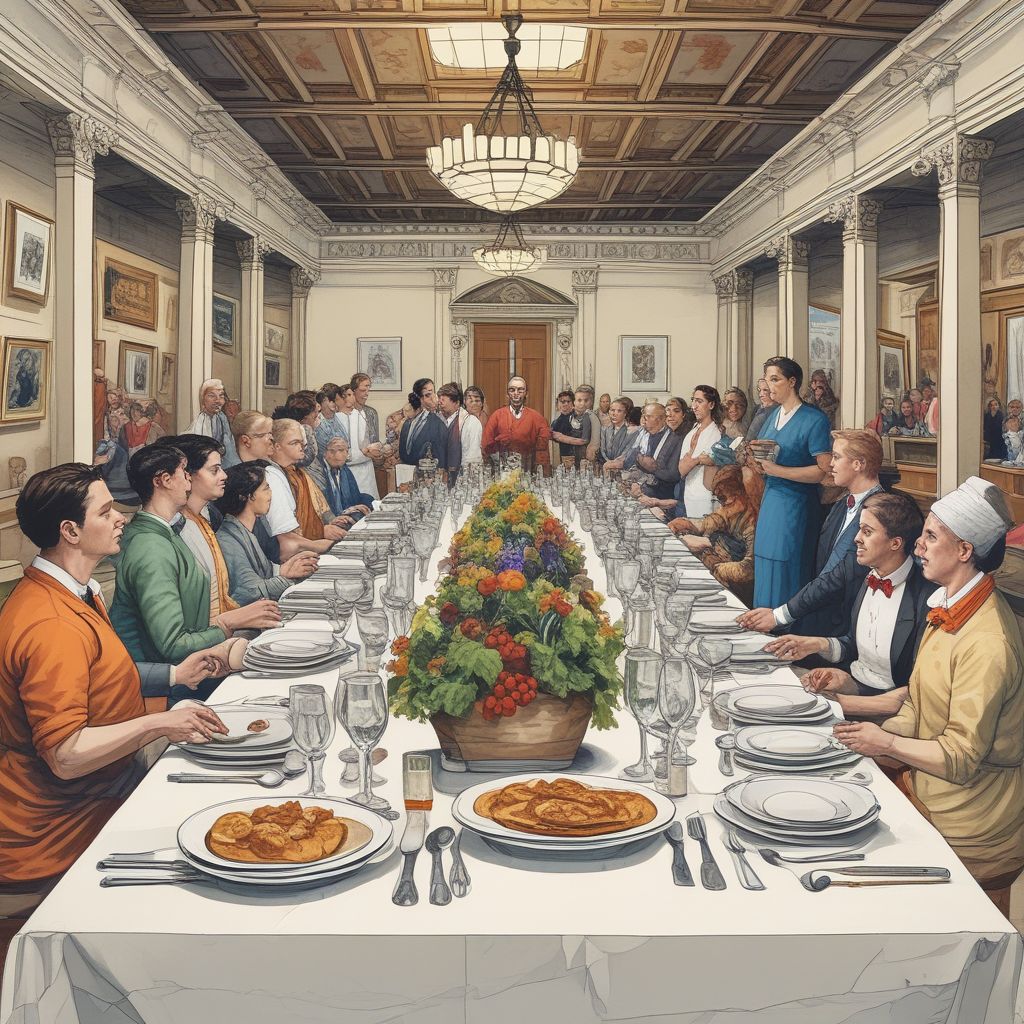
Museum pop-up dinners are transforming gallery nights into immersive, multisensory tours where chef-crafted menus and curator-led narratives recontextualize artworks and artifacts—inviting guests to taste history, smell memory, and see collections with renewed curiosity. These temporary dining experiences move beyond catering: they are creative interventions that revive overlooked collections, broaden audience demographics, and generate fresh revenue streams for cultural institutions.
What is a museum pop-up dinner?
A museum pop-up dinner is a site-specific dinner event staged within or around a museum’s galleries or collections. Unlike standard restaurant pop-ups, these dinners are designed in close collaboration with curators, conservators, and exhibition designers so that every course, bite, and mise-en-place responds to the works on view. The goal is not only culinary pleasure but interpretive depth—each menu becomes a narrative device that amplifies themes, materials, and histories in the gallery.
How chefs and curators collaborate
Successful events blend scholarly research with culinary imagination. Chefs often begin by meeting curators to understand the exhibition’s themes, provenance, and untold stories. From there, teams map moments in the gallery to courses on the plate, creating a flow that mirrors the exhibit’s arc.
Research and menu design
- Archival research: Chefs review collection notes, letters, and historical receipts to recover recipes, ingredients, and foodways connected to objects.
- Material translation: Textiles, pigments, or ceramic glazes inspire textures, colors, and techniques in the kitchen—turning a faded shawl into a subtle tea-infused course, for example.
- Ethical sourcing: Many programs foreground local and traditionally underrepresented producers to honor the communities tied to the objects.
Site-specific service and staging
Service design adapts to the museum context. Passing trays may become interpretive props, lighting is tuned to preserve artifacts while flattering dishes, and dining surfaces are configured to avoid contact with sensitive objects. Sometimes the dinner moves through several rooms—each course served beside a different artifact—creating a promenade-style experience that doubles as a guided tour.
Reviving overlooked collections
One of the most powerful outcomes of museum pop-up dinners is the way they spotlight collections that rarely get attention. Institutions with extensive storage—textiles, ceramics, botanical samples, or ephemera—can animate these holdings by linking them to edible stories.
- Textile collections: A course inspired by embroidered patterns and dye recipes can foreground craft histories and the hands behind them.
- Ceramic archives: Tasting menus that echo glaze colors and vessel shapes reconnect visitors with makers and trade routes.
- Natural history:** Menus modeled on local ecosystems bring specimen drawers out of storage, contextualizing conservation and climate narratives.
- Archives and letters: Reimagined dishes from a historical recipe or a donor’s family cookbook can humanize archival documents.
Designing a multisensory tour
Multisensory programming expands interpretation beyond sight. Effective museum pop-up dinners orchestrate taste, smell, touch (when appropriate), and sound to deepen engagement.
- Taste: Flavor combinations echo an artifact’s origin or a curator’s anecdote.
- Smell: Aromas—spice wafts, smoke, or citrus—trigger memory and place in visceral ways.
- Sound: Ambient audio or short curator talks between courses create pacing and context.
- Touch: Tactile components are offered only when conservation permits—replicas or safe-handling stations provide haptic learning without risk.
Practical and ethical considerations
Because museums steward delicate objects, pop-up dinners require careful planning:
- Conservation protocols: No open flames near textiles or light-sensitive works; temperature and humidity monitoring are essential.
- Accessibility: Seating, captions, and sensory-friendly options make events inclusive for a wide audience.
- Cultural sensitivity: Menu makers and curators must avoid exoticism or tokenism; community consultation and crediting source cultures are crucial.
- Logistics: Crowd flow, restroom capacity, and waste management need early coordination to preserve the visitor experience.
Measuring impact and audience building
Museum pop-up dinners can be evaluated across multiple dimensions:
- Attendance and demographics: Did the event attract new visitors or younger audiences?
- Membership and donations: Post-event conversion rates often rise when guests feel a stronger connection to the institution.
- Media and social reach: Striking visuals and unique experiences drive coverage and user-generated content.
- Curatorial outcomes: Increased interest in specific collections can justify future research or exhibition investment.
Examples of inventive pairings
Consider these imaginative—yet feasible—pairings that show the format’s potential:
- A colonial trade exhibition with a spice-forward menu that examines supply chains and labor histories through flavor profiles.
- A textile conservation lab behind-the-scenes meal featuring dye demonstrations and courses tasting historic color palettes.
- A natural history pop-up that serves seasonal foraged dishes while interpreters discuss shifting ecosystems and species preservation.
Tips for museums and chefs starting out
- Start small: Run a soft launch with members and stakeholders before opening sales to the public.
- Document everything: Photos, oral histories, and menu stories become content for post-event engagement.
- Partner with communities: Invite cultural bearers and local producers into planning to ensure authenticity and respect.
- Keep interpretation clear: Balance culinary surprise with accessible context so guests leave informed as well as satiated.
By staging museum pop-up dinners that fuse rigorous curation with culinary creativity, institutions can turn quiet galleries into vibrant sites of discovery—rematching objects with the sensory worlds that birthed them and inviting audiences to experience history with fresh appetites.
Conclusion: Museum pop-up dinners are more than memorable meals; they are interpretive tools that revive collections, foster cross-disciplinary collaboration, and open museums to new publics. Ready to reimagine an exhibit through food? Book a consultation with a curator or chef to start designing your first multisensory tour.