The idea of two-hour night hikes has an irresistible pull for busy city residents: short, low-commitment adventures that deliver big mental and physical benefits. This guide explains how to plan safe, restorative after-dark walks, suggests compact tech and packing lists, and maps out route ideas that fit into a weeknight—so you can make moonlit microadventures a sustainable part of urban life.
Why Night Hikes Rewire Urban Wellness
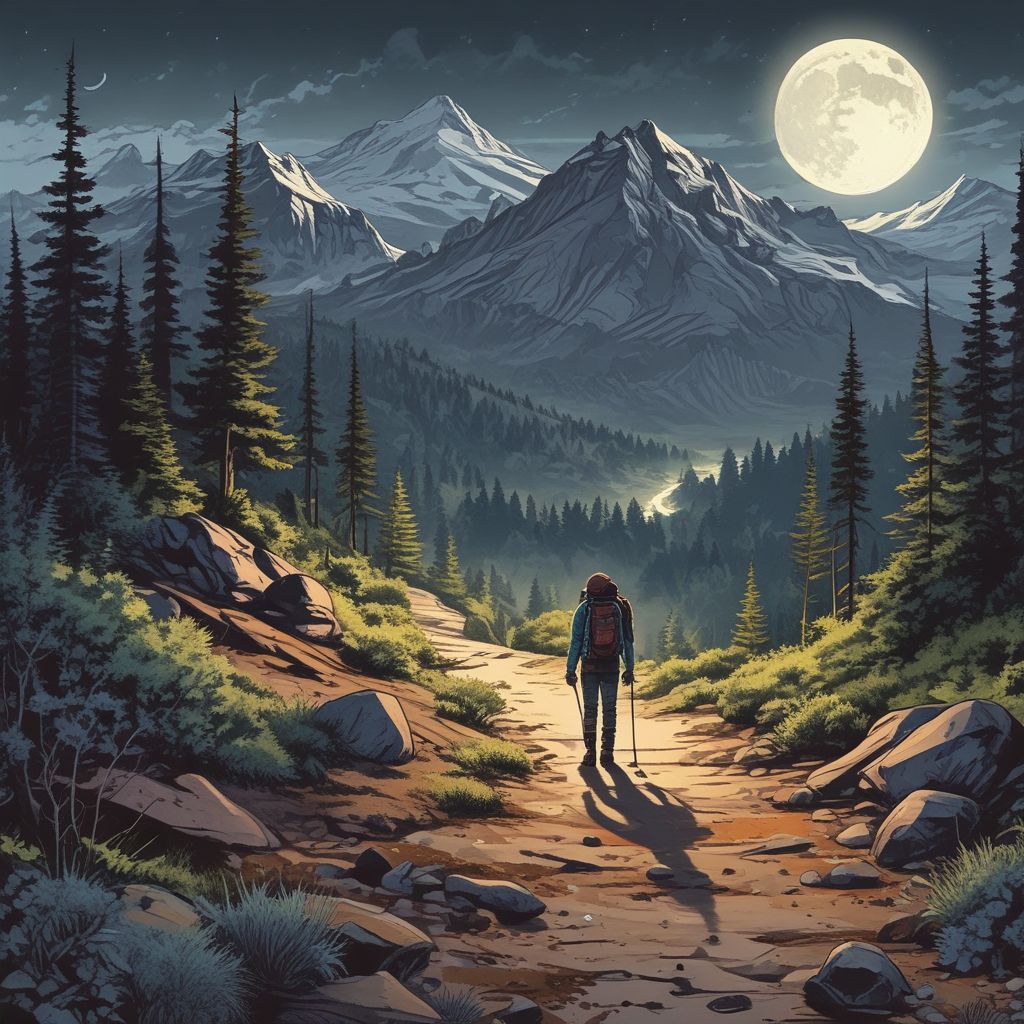
Night hiking taps into sensory, circadian, and social changes that daytime outings don’t. Walking in the dark with moonlight or soft trail lights reduces visual clutter, sharpens hearing and smell, and gives the brain novel, low-stress stimulation. For city dwellers juggling work, family, and obligations, two-hour night hikes offer a reset: lowered stress hormones, improved sleep, and a gentle cardio boost without needing a full weekend.
Mental and physical benefits
- Stress reduction and clearer thinking through disconnecting from screens.
- Improved sleep by exposing your body to natural evening routines and calming movement.
- Enhanced mood and creativity from short bursts of nature exposure.
- Accessible fitness—walking at a relaxed to brisk pace for two hours is a sustainable habit.
Choosing Short, Safe After-Dark Routes
Safety and accessibility are essential when selecting a two-hour night hike near the city. Choose well-trafficked trails, paved or well-maintained dirt paths, and routes that are no more than a 20–30 minute commute from home.
Route-selection checklist
- Known trailheads with clear signage and daytime maps available online.
- Loop routes or out-and-back trails that avoid confusing junctions after dark.
- Good cellular coverage or proximity to populated areas for emergencies.
- Legal and permitted public access after dusk—check park hours and local rules.
Example short route types for city residents
- Riverside promenades with lighting and wide sidewalks (easy, scenic).
- Park-perimeter loops that circle urban green spaces—often cleared and patrolled.
- Rail-trail conversions or multi-use paths that connect neighborhoods to parks.
- Botanic garden twilight events or community-organized night walks (social option).
Essential Tech and Gear for Two-Hour Night Hikes
Pack light but smart—your goal is to stay comfortable and visible while keeping hands free. The right gear transforms a short night hike into a worry-free ritual.
Minimal gear list
- Headlamp with red-light mode and fresh batteries (hands-free, preserves night vision).
- Compact backup light (small flashlight or clip light).
- Reflective clothing or vest and a small safety whistle.
- Water bottle (insulated for cooler nights) and a few healthy snacks.
- Lightweight windbreaker or fleece—temperature drops quickly after sunset.
- Phone with a downloaded offline map screenshot and shareable ETA.
Recommended tech habits
- Set your phone to Low Power and enable location sharing with one trusted contact.
- Pre-download trail maps or screenshots; use simple offline navigation apps when possible.
- Use a small rechargeable battery pack if you need to run a GPS or music.
Planning and Safety Tips for Busy Schedules
Two-hour night hikes fit into weeknights when planned with intention. Create a predictable routine that removes decision friction and makes stepping out easy.
Quick planning workflow
- Pick two or three nearby routes and save them in your maps app as favorites.
- Lay out gear the night before—headlamp, shoes, jacket—so you can step out quickly after work.
- Schedule walks like appointments: block two hours on your calendar and invite a friend to keep you accountable.
Night-hike safety norms
- Stick to loops and routes you’ve scouted in daylight first.
- Tell someone your route and expected return time; use share-location if possible.
- Avoid isolated shortcuts and trust your instincts—turn back or call for help if something feels off.
Sample Two-Hour Moonlit Microadventure Itinerary
This sample plan fits into a 7–9 p.m. window and balances movement, mindfulness, and simplicity.
- 7:00 p.m. — Gear check at home: headlamp, jacket, water, phone. Share ETA.
- 7:10 p.m. — Arrive at trailhead or park entrance; take a minute to do simple stretches.
- 7:15–8:30 p.m. — Walk a steady-paced loop, alternating brisk walking with short mindful pauses to listen and breathe.
- 8:30–8:45 p.m. — Slow walk back, cooldown stretches, hydrate, and snap a photo of the skyline or moon if you like.
- 8:45–9:00 p.m. — Home and wind down—avoid screens for 30 minutes to carry the calm into sleep.
Keeping Night Hikes Sustainable and Social
To make moonlit microadventures stick, combine them with social rituals and small rewards. Invite a neighbor a few times a month, join local night-walking groups, or pair the hike with a favorite low-effort treat afterward—a tea, a short journaling session, or a relaxed podcast.
Ways to scale up safely
- Rotate routes weekly to keep novelty high and logistics simple.
- Mark off a “moonlit calendar” to track nights and notice wellbeing changes over a month.
- Attend community-led guided night hikes to learn local terrain and meet fellow urban adventurers.
Packing Checklist (Printable)
- Headlamp + spare batteries
- Phone (battery >40%) + screenshot map
- Reflective vest or band
- Water bottle + snack
- Light jacket
- Whistle and small first-aid items (bandage, blister patch)
Two-hour night hikes are a realistic, restorative practice that busy city residents can slot into a hectic life—offering more than exercise: a change of pace that rewires daily stress responses and reconnects you to the rhythms of the night.
Conclusion: Start small, pick a safe nearby route, and make moonlit microadventures a weekly ritual to notice lasting improvements in sleep, mood, and clarity.
Ready to try your first two-hour night hike this week? Grab your headlamp and schedule it now.