Mobile Games as Mental Health Tools: How Casual Apps Are Revolutionizing Stress‑Relief Therapy
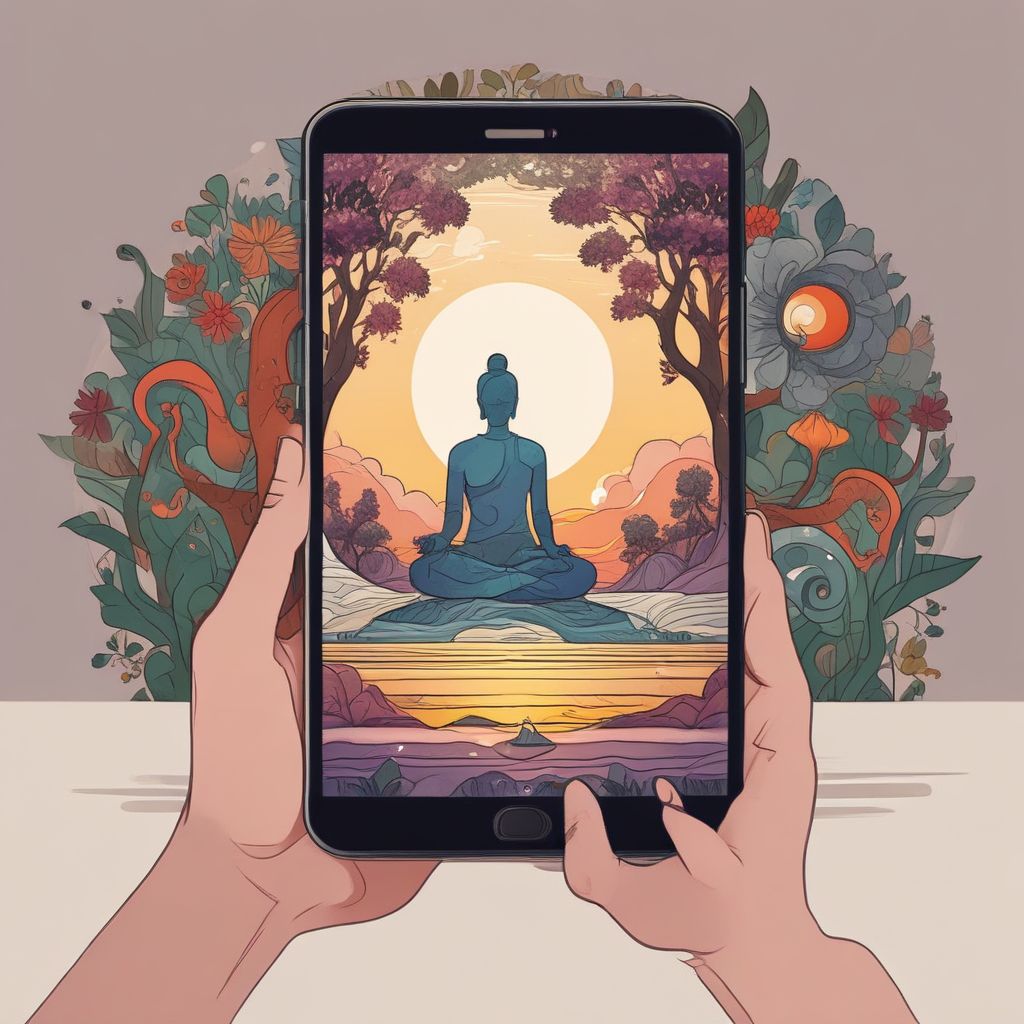
In today’s fast‑paced world, the line between entertainment and therapy is increasingly blurred. Mobile games as mental health tools have emerged as a powerful, accessible way to manage stress, anxiety, and even depression. By harnessing engaging gameplay mechanics, these casual apps provide users with immediate relief, mindfulness practice, and cognitive training—without the stigma or cost of traditional therapy.
Why Mobile Games Make Great Therapeutic Tools
Research in behavioral science shows that play activates reward centers in the brain, releases dopamine, and can improve mood in minutes. When carefully designed, these benefits extend beyond fun:
- Accessibility: 70% of the global population owns a smartphone, so interventions can reach anyone, anywhere.
- Cost‑Effectiveness: Most mental‑health apps are free or low‑priced, making them an attractive alternative to expensive counseling.
- Data‑Driven Personalization: Built‑in analytics can tailor difficulty levels and content to a user’s mood and progress.
- Immediate Feedback: Players receive instant cues and rewards, reinforcing healthy habits in real time.
The Science Behind Gamified Therapy
Game designers use several proven psychological principles:
- Operant Conditioning: Positive reinforcement encourages repeated healthy behavior.
- Flow Theory: By balancing challenge and skill, users enter a state of deep concentration that reduces rumination.
- Social Comparison and Support: Leaderboards and community features can foster accountability.
- Mindfulness Integration: Guided breathing or meditation prompts within game sequences calm the nervous system.
Studies from the Journal of Affective Disorders and PLOS ONE demonstrate significant reductions in perceived stress scores after just two weeks of daily gameplay with therapeutic intent.
Top Mobile Games Turning Gaming into Stress‑Relief Therapy
Below is a curated list of apps that have earned praise from both clinicians and users for their evidence‑based design.
1. Headspace: Mindfulness and Meditation
While not a traditional game, Headspace employs gamified progress bars, achievements, and daily challenges. Its science‑backed guided meditations help users reduce cortisol levels and improve sleep quality.
2. Calm Light
A simple color‑matching puzzle that teaches relaxation techniques. Each level introduces progressive breathing exercises, making it an ideal micro‑intervention during a hectic day.
3. SuperBetter
Co‑created by psychologists at Yale, SuperBetter transforms coping strategies into quests. Players tackle real‑world challenges (e.g., “schedule a doctor visit”) and earn in‑game rewards, bridging the gap between virtual success and tangible outcomes.
4. Psychic Reading: The Stress Ball
Designed as a mindfulness tool, this app features a digital stress ball that users can squeeze, with each squeeze counting toward a daily goal. It’s a straightforward, anxiety‑reduction game that’s perfect for office breaks.
5. Mind Games: Cognitive Training
Focused on working memory and executive function, Mind Games includes puzzles and reaction‑time tasks. Neuropsychologists have shown improved attention spans after consistent play.
Choosing the Right Game for Your Needs
Not every game will work for everyone. Consider the following factors before diving in:
- Targeted Issue: Anxiety, depression, PTSD, or general stress? Some apps are tailored for specific conditions.
- Evidence Base: Look for apps with published research or collaborations with medical institutions.
- Personalization: Does the app adapt difficulty based on performance or mood?
- Privacy: Check data‑handling policies, especially if the app tracks mood or health metrics.
- Integration: Some games sync with wearable devices for comprehensive insights.
Best Practices for Using Mobile Games in Mental Health
- Set a daily routine: Consistency amplifies benefits.
- Limit session length: 10–15 minutes per session keeps gameplay fresh and prevents burnout.
- Track progress: Use built‑in journals or screenshots to monitor mood changes.
- Combine with professional care: Apps are complementary, not replacements.
- Practice self‑reflection: After each session, note feelings or triggers that arose.
The Future of Gamified Mental Health Care
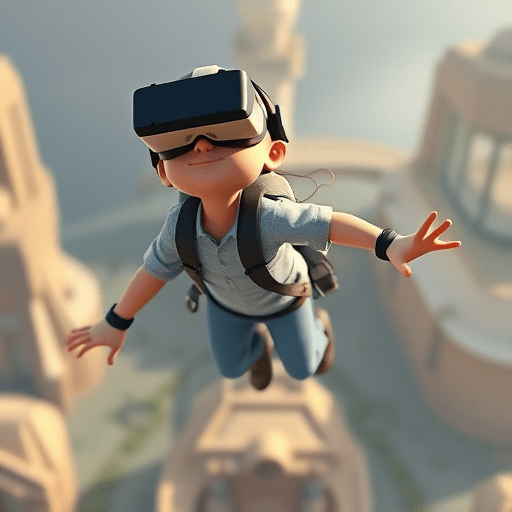
Artificial intelligence and virtual reality are poised to elevate the therapeutic potential of mobile games. Imagine a VR meditation game that senses your heart rate and adjusts ambient sound to maintain optimal calm. Or AI‑driven narrative therapy where your choices shape the storyline, offering personalized coping scenarios.
Regulatory bodies are also moving toward standardizing digital therapeutics. The FDA’s Digital Health Innovation Action Plan indicates that mobile game‑based interventions may soon receive formal approval, ensuring higher quality and safety standards.
Conclusion
Mobile games as mental health tools represent a convergence of science, design, and accessibility that can transform how we approach stress and emotional well‑being. Whether you’re a casual gamer or a mental‑health professional seeking adjunct therapies, the evidence suggests that thoughtfully crafted games can offer quick, tangible relief and long‑term resilience.
Ready to start your stress‑relief journey? Dive into one of the top apps today and turn playtime into empowerment.