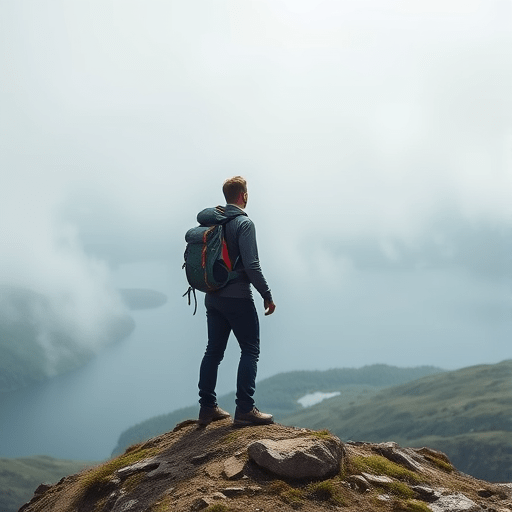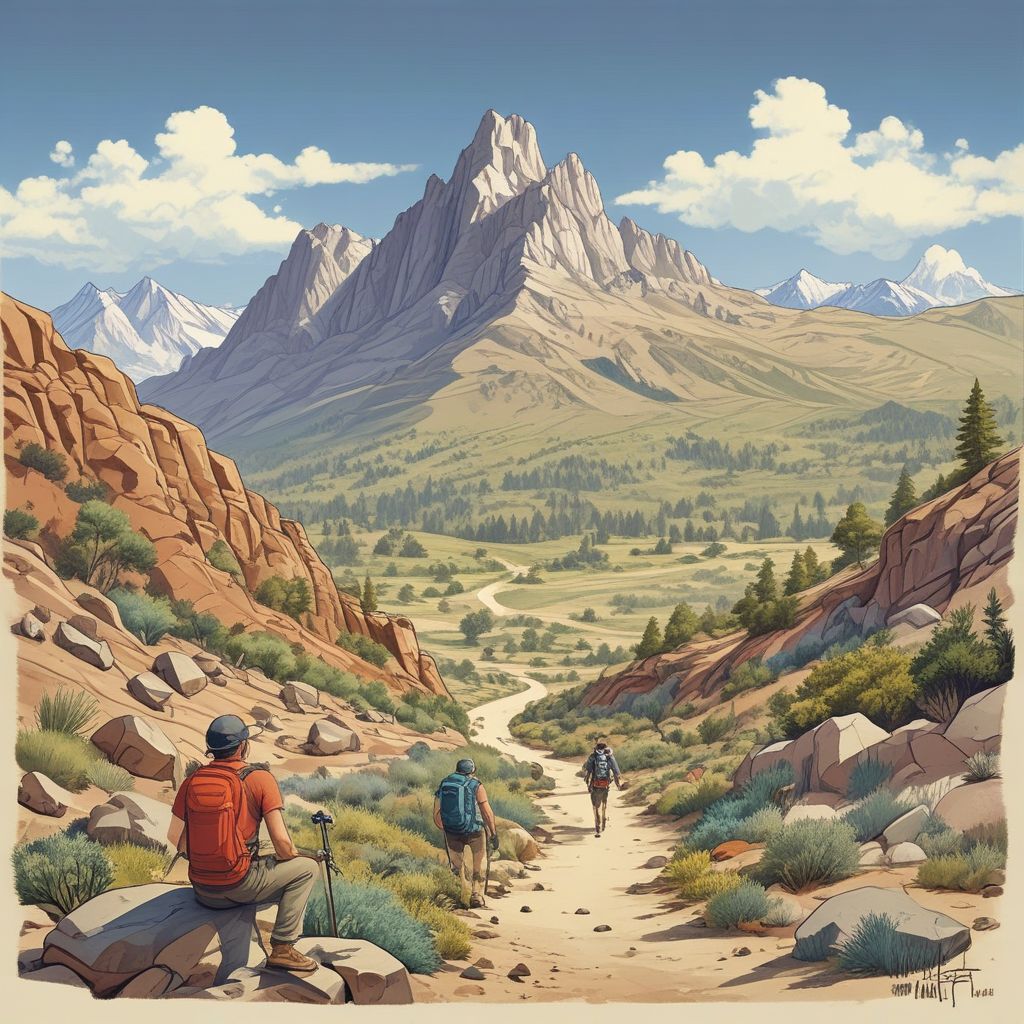
Microclimate treks are single-day adventures that let you experience desert, forest and alpine zones in one continuous hike; this guide to Microclimate Treks shows how to plan routes, manage timing, and pack ultralight so you can savor three ecosystems in a single day without risking safety or comfort.
Why Microclimate Treks Are Worth the Effort
Few hiking experiences rival watching a landscape transform beneath your feet: the brittle glare of creosote and sage giving way to shaded fir corridors, then opening into wind-scoured alpine ridgelines. Microclimate treks compress the diversity of multi-day backpacking into a single, satisfying day—perfect for photographers, naturalists, and hikers craving variety with minimal logistics.
Route-Planning: Choosing the Right Trail
Successful microclimate treks hinge on picking a route that actually crosses distinct ecological zones within a day’s distance and elevation change. Look for trails that:
- Start in a low-elevation desert basin and gain 3,000–6,000 feet (900–1,800 m) to reach treeline—this elevation change usually includes forest and alpine transitions.
- Follow ridgelines, drainages, or elevational corridors that move quickly through vegetation belts rather than lingering in a single zone.
- Offer reliable trail quality or clear cross-country navigation options—emergency exits/backcountry roads are a plus.
Mapping and Tools
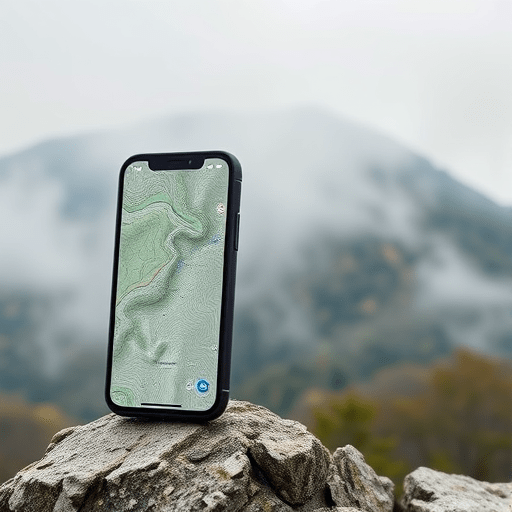
Use topographic maps and elevation profiles to estimate distances and ascent rates. Key tools include:
- Offline topo maps (Gaia, Avenza, AllTrails Pro) and a paper map as backup
- GPX route files and a GPS device or phone with battery management plan
- Local trail reports for seasonal closures, water sources, and snow levels
Timing Your Day: Sunrise, Heat, and Afternoon Winds
Timing is everything. Desert zones heat quickly, forests cool midday, and alpine ridgelines can be wind-exposed and storm-prone in the afternoon.
- Start before sunrise if you begin in hot desert lowlands—early shade and cooler temperatures make the first miles comfortable.
- Plan to reach forested mid-elevations during the warmest part of the day for rest and hydrated breaks in shade.
- Summit or cross exposed alpine ridgelines mid- to late-afternoon only if weather is stable; otherwise aim to be below treeline before storms develop.
Estimating Pacing
Account for variable terrain: desert scrub often allows faster pace, dense forest may slow you, and steep alpine traverses can halve your speed. Use conservative estimates (2–3 miles/hour mixed terrain) and add buffer time for photos, route-finding, and rest.
Ultralight Gear: Essentials for Comfort and Safety
Microclimate treks reward careful packing—bring less but bring smart. The ultralight approach reduces fatigue and makes long elevation gains manageable.
Core Gear List (Ultralight Focus)
- Daypack 18–28L with rain cover
- Lightweight shell (windproof and waterproof) and an insulating layer (down or synthetic puffy)
- Sun protection: wide-brim hat, sunscreen SPF 30+, sunglasses
- Hydration: 2–3 liters total capacity with a refill plan (bladder + bottle or two bottles)
- Navigation: phone with GPX + handheld GPS or compass and map
- Food: compact high-calorie meals and snacks (energy bars, trail mix, sandwich)
- Footwear: breathable trail shoes with good traction; gaiters if desert sand or scree expected
- Small first-aid kit, headlamp, lighter/matches, emergency bivvy or lightweight blanket
Weight-Saving Tips
- Swap heavy cotton for quick-dry synthetics or merino.
- Share communal items if trekking with a partner (e.g., one small stove for hot drinks if desired).
- Minimize duplicate items—carry either a heavy camera or a phone with camera and backup battery.
Water and Food Strategies Across Zones
Water is the limiting factor in many microclimate treks, especially when starting in desert zones. Plan conservatively:
- Carry enough water to leave the desert with confidence—2 liters is often the minimum in hot conditions.
- Identify reliable mid-route water sources in forested sections; carry a lightweight filter or purification tablets.
- Pack calorie-dense foods that don’t require cooking; mid-elevation forests make great lunch spots.
Clothing and Layering for Rapid Climate Shifts
Layer for extremes: hot and sun-soaked at the start, cool and humid in the forest, cold and windy at altitude. A simple three-layer system works best—base (moisture-wicking), mid (insulation), shell (wind/rain protection)—with a warm hat and gloves stashed for alpine exposure.
Safety, Weather, and Leave No Trace
Mountain weather can turn fast—check forecasts, avalanche advisories, and local ranger notes. Key safety measures:
- Tell someone your route and expected return time; consider a tracking beacon for remote treks.
- Turn around early if thunderstorms approach or if trail conditions deteriorate.
- Practice Leave No Trace: pack out waste, stay on durable surfaces, and avoid disturbing fragile alpine vegetation.
Sample One-Day Microclimate Itinerary
Example: Desert Trailhead → Forested Bench (midday lunch) → High Alpine Ridge (afternoon summit) → Return via same route.
- 04:30 — Start at trailhead in desert (cool, headlamp required)
- 08:30 — Reach forested switchbacks; refuel, refill water if source available
- 12:30 — Lunch in shaded fir stand; check midday weather
- 15:00 — Traverse alpine meadow and ridgeline; quick summit loop if conditions allow
- 18:30 — Back to trailhead before nightfall (adjust times to daylight and season)
Checklist Before You Go
- Route downloaded to device and paper map packed
- Weather checked and summit window evaluated
- Water plan confirmed (carry + refill options)
- Emergency contact notified and expected return time set
- Layers, sun protection, and ultralight first aid ready
Microclimate treks are an efficient way to experience dramatic ecological variety in one day—when planned with attention to route, timing, and lightweight gear they’re both exhilarating and accessible to many hikers.
Ready to plan your next microclimate trek? Use the checklist above, pick a route with strong elevation gain, and start with a conservative plan to build confidence on your first desert-to-alpine one-day adventure.
Call to action: Download a recommended route map and packing checklist to start planning your microclimate trek today.