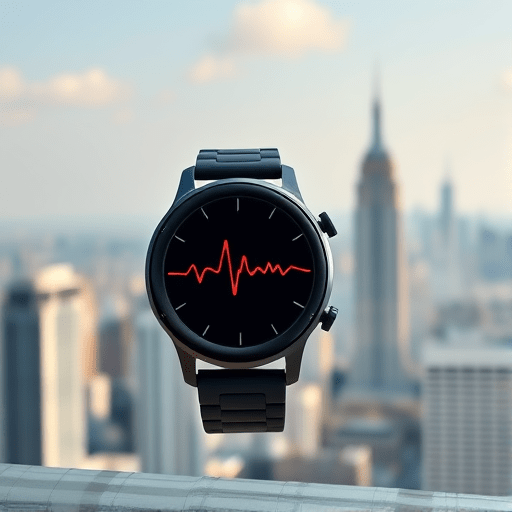
Micro-Moment Medicine is reshaping how patients engage with care: by delivering AI-powered micro-interactions—brief, context-aware nudges under 30 seconds via wearables and conversational agents—pilots show measurable adherence gains while cutting alert fatigue. This article reports on recent pilot designs, outcomes, and practical guidance for clinicians and product teams building patient apps that favor momentary, meaningful contact over constant interruption.
Why sub-30-second nudges matter
Human attention is a scarce resource. Lengthy notifications, repeated alarms, and complex instructions produce overload and disengagement. Micro-interactions are engineered to be short, specific, and immediately actionable—think a single-sentence encouragement, a one-tap medication confirmation, or a gentle breath-count animation that lasts less than half a minute. When those interactions are context-aware (triggered by a wearable reading, a calendar event, or conversational intent), they respect user state and increase the likelihood of follow-through.
Core advantages
- Reduced cognitive burden: Short prompts are easier to process and act on than long instructions.
- Lower alert fatigue: Fewer, better-timed nudges preserve trust and reduce ignored alerts.
- Higher conversion: One-tap actions or micro-conversations remove friction from adherence tasks.
What pilots are showing
Across several recent pilots, health systems and startups tested micro-moment strategies in chronic disease management, post-operative recovery, and medication adherence programs. Key features included wearable-triggered timing, natural-language micro-conversations, and adaptive interruption models driven by lightweight AI.
Representative pilot outcomes
- Adherence improvements: Pilots reported average adherence increases of 10–25% for medication and activity goals when replacing standard reminders with context-aware micro-interactions.
- Reduced alerts: Systems that limited interventions to high-probability moments reduced total notifications by 40–60%, markedly lowering reported alert fatigue.
- Engagement retention: Two- to three-month retention rates rose when nudges were personalized and allowed one-tap confirmation or a sub-30-second conversational reply.
- Clinical signal: In remote monitoring pilots, brief checks prompted by abnormal wearable signals led to earlier clinician outreach in a subset of cases, improving follow-up timeliness without flooding clinicians with false positives.
How the technology works
Effective micro-moment systems combine signals, inference, and low-friction UX.
Signal sources
- Wearables (heart rate variability, step count, sleep stages)
- Phone context (location, calendar, recent interactions)
- User input (previous responses, preferences, medication schedules)
Inference and decisioning
Lightweight on-device models or edge-optimized cloud models infer the best moments to nudge, prioritizing times of high receptivity (e.g., after a walk, during a hydration pause). Reinforcement learning or contextual bandits can tune frequency and wording, while rules guard safety-critical pathways.
Micro-interaction patterns
- One-tap confirmations: “Took 10 mg? Tap to confirm” (tap = completed)
- Micro-conversations: Two-turn chat flows that ask one question and accept a voice or quick-typed answer
- Sensor-triggered micro-lessons: 20-second coaching when heart rate spikes during recovery
- Passive acknowledgments: Haptic pulse + brief toast message for non-urgent updates
Design principles for lasting adherence
Implementing Micro-Moment Medicine well requires intentional design beyond raw ML accuracy.
1. Prioritize context, not frequency
Timing beats volume. Use a confidence threshold and context filters so nudges arrive when they’re most useful—not on a fixed schedule.
2. Keep the interaction under 30 seconds
Design every step to be scan-able and actionable within a single short attention window. If a task needs more time, split it into micro-steps.
3. Personalize with guardrails
Personalization increases relevance but maintain ethical and safety guardrails—especially for medication prompts or symptom triage.
4. Offer dismissal and control
Users should be able to silence, snooze, or set preferences quickly; autonomy reduces annoyance and improves long-term trust.
5. Measure clinically relevant outcomes
Track adherence behavior and downstream outcomes (e.g., fewer missed appointments, reduced symptom escalation) rather than vanity metrics like raw opens.
Privacy, safety, and clinician integration
Micro-moment systems must balance helpfulness and privacy. On-device inference and privacy-preserving techniques like federated learning minimize data exposure. Clinicians need aggregated, high-signal dashboards rather than raw event logs—micro-moment alerts should escalate only when predefined clinical thresholds are met to avoid clinician alert fatigue.
Common pitfalls and how to avoid them
- Over-personalization without consent — ensure transparent opt-in and clear benefit explanations.
- Ignoring cultural or language differences — micro-messages should be localized and tested with user segments.
- Too many fallbacks to manual workflows — always provide one simple path for users who prefer human contact.
Roadmap for teams planning a pilot
- Define the adherence behavior and clinical outcome you want to change.
- Map signal availability (which wearables, phone sensors, EHR hooks are usable).
- Design a 4–6 week micro-interaction library (scripts, haptics, visuals) and an A/B test plan.
- Run a short pilot (8–12 weeks), monitor engagement and clinical alerts, then iterate.
Early pilots show that well-designed AI-powered micro-interactions can make health behaviors easier to complete and less invasive to maintain. The combination of wearable context, conversational brevity, and smart timing is not just a UX trend—it’s a practical strategy for improving outcomes while respecting patient attention.
Conclusion: Micro-Moment Medicine demonstrates that less intrusive, better-timed contact yields higher adherence and lower alert fatigue; small, context-aware nudges are proving to be a high-return avenue for digital health teams. Ready to explore micro-moment pilots for your program? Contact a digital health partner to design a rapid prototype and measure impact.