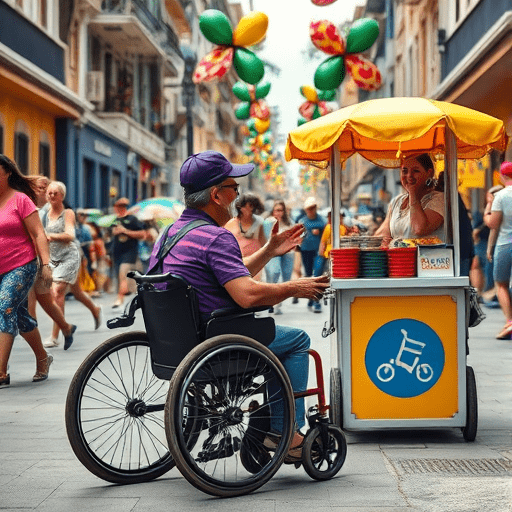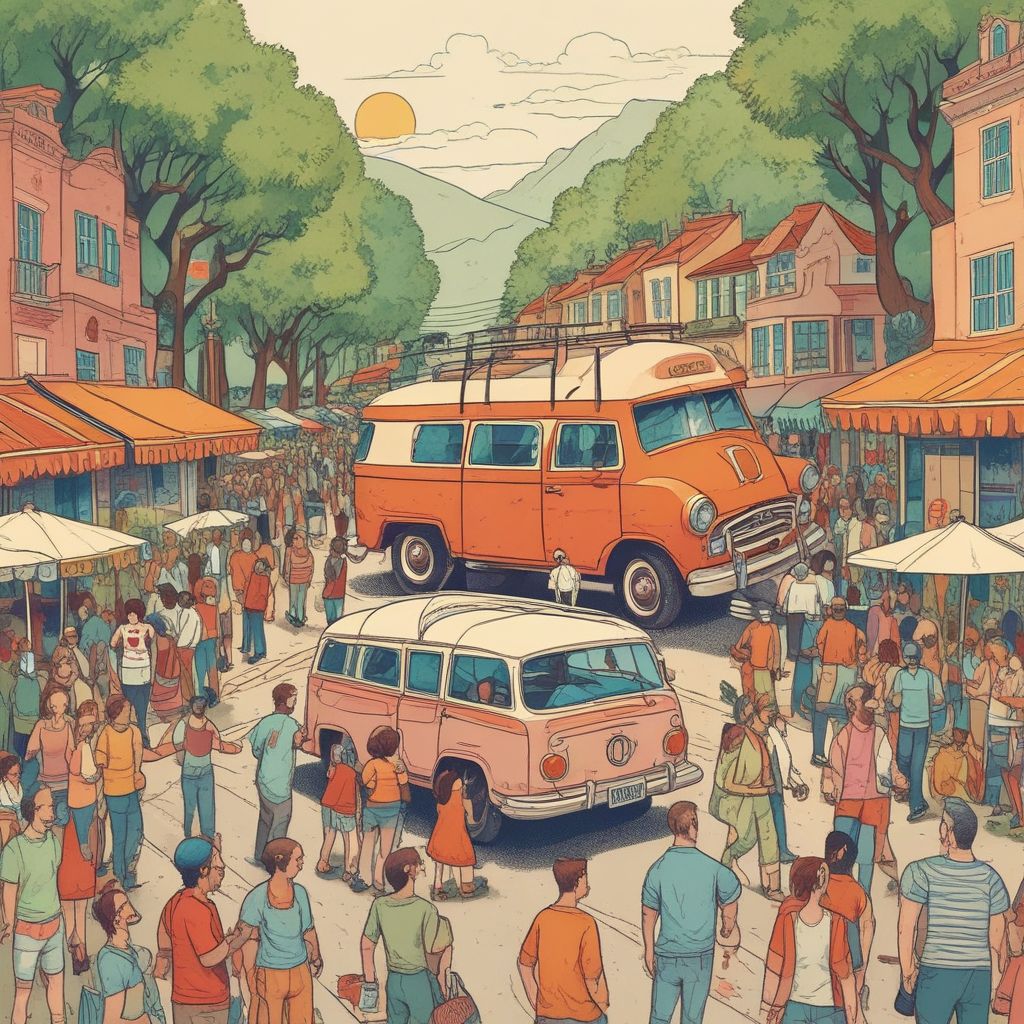
The Micro-Festival Roadtrip is an invitation to seek out small, under-the-radar cultural celebrations abroad—events where stories, songs and rituals are lived by tight-knit communities. If you’re planning a micro-festival roadtrip, this guide will help you find authentic gatherings, prepare practically, and behave respectfully so your experience benefits both you and the local hosts.
Why Micro‑Festivals Matter
Unlike large tourist-draw festivals, micro-festivals are often community-run, rooted in local history and shaped by people who know one another. These intimate events offer deeper cultural connection, unique artisan food and music, and chances to observe traditions that aren’t staged for outsiders.
What makes a festival “micro”?
- Attendance usually under a few hundred people
- Organized at village, neighborhood or community level
- Focused on local ritual, craft, seasonal cycles, or a patron saint/figure
- Information lives offline or in local language social posts rather than major travel sites
How to Discover Micro‑Festivals
Finding these gatherings takes curiosity and local sourcing rather than generic travel lists. Use a mix of online and on-the-ground tactics.
Research sources
- Local tourist offices and municipal event calendars — they often list small community events.
- Regional Facebook groups, WhatsApp community threads and local-language hashtags on Instagram and X.
- Expat and niche travel forums where long-term residents share tips (search for “village festival” + region).
- Local newspapers and radio stations — many list upcoming fêtes, processions and harvest days.
- Talk to hosts, taxi drivers, and small business owners once you arrive — word-of-mouth is golden.
Practical Planning Checklist
Micro-festival roadtrips require flexible planning. Block your calendar but expect last-minute changes.
- Timelines: Confirm exact dates and start times; many small events follow seasonal or lunar calendars that shift yearly.
- Transport: Rent a small car, scooter, or use regional buses—roads might be narrow and public transit infrequent.
- Accommodation: Book nearby homestays, guesthouses or farm stays to support the local economy and be close to the action.
- Permissions: Some ceremonies are private—ask organizers in advance whether outsiders are welcome and if photography is allowed.
- Cash & supplies: Bring local currency and basic supplies—markets may close and ATMs can be far away.
- Insurance & safety: Ensure travel insurance covers remote-event activities; carry a basic first-aid kit and any needed medications.
Local Etiquette — How to Be Respectful
Respect is the currency of micro-festivals. Simple, considered actions make a big difference.
Before you go
- Learn a few polite phrases in the local language and the proper greetings for the community.
- Read up on the event’s significance—knowing why something matters reduces the risk of accidental offense.
- Contact organizers or community liaisons where possible to clarify expectations (dress, behavior, donations).
At the festival
- Observe first, then participate—follow the lead of local attendees rather than inserting yourself into ceremonies.
- Ask permission before taking photos of people, rituals, or sacred objects; avoid flash during ceremonies.
- Dress appropriately—if modest clothing is expected, cover shoulders and knees; wear neutral colors when requested.
- Keep noise levels and alcohol consumption within local norms; small communities may have different thresholds than tourist events.
- Respect boundaries—if a ritual space is roped off or marked, don’t cross it even if others are clustering nearby.
Give Back — Meaningful Ways to Support Hosts
Micro-festivals survive because communities invest time and resources; your visit should help, not extract.
- Buy local: purchase food, crafts, and services directly from vendors instead of bringing mass-market souvenirs.
- Offer a small donation to community funds if there’s a collection; ask how best to contribute.
- Volunteer time: help with cleanup, setting up, or translating if you can offer language skills—only when welcomed.
- Share respectfully: post about the festival in ways that credit the community and avoid revealing sensitive ritual details.
Packing and Practical Gear
- Reusable water bottle and utensils to reduce waste
- Quiet, comfortable shoes for uneven terrain
- Lightweight layers for variable weather and modesty needs
- Portable charger, headlamp, and a paper map in case mobile reception is spotty
- Gifts for hosts: a small, locally-respectful token goes further than expensive branded items
Safety and Legal Considerations
Respect local laws and communal rules. In some regions, photography of government buildings, religious artifacts, or registration of foreign participants is restricted.
- Check visa conditions for participatory cultural events in case permits are required.
- Keep emergency contacts and the address of your embassy/consulate accessible.
- Be mindful of environmental risks—floods, heat, or remote medical access—and plan accordingly.
After the Festival: Responsible Storytelling
If you share your experience, center the community voice: credit hosts, avoid exoticizing language, and omit sacred details they requested remain private. When possible, ask permission before reposting photos that include identifiable individuals.
Quick Micro‑Festival Roadtrip Itinerary Template
- Day 0: Arrive, meet host, confirm event details
- Day 1: Attend public portions, photograph only with permission
- Day 2: Participate in community meals; offer small help and buy local
- Day 3: Follow up with organizers, offer thanks, and share how you’ll credit them online
Micro-festival roadtrips are rewarding when approached with curiosity, humility and care. The most memorable moments come from listening, participating where appropriate, and leaving the place better than you found it.
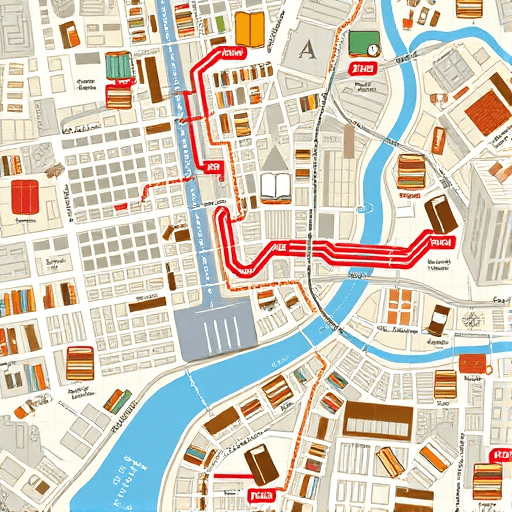
Ready to plan your own micro-festival roadtrip? Start mapping your route and reach out to a local contact today.