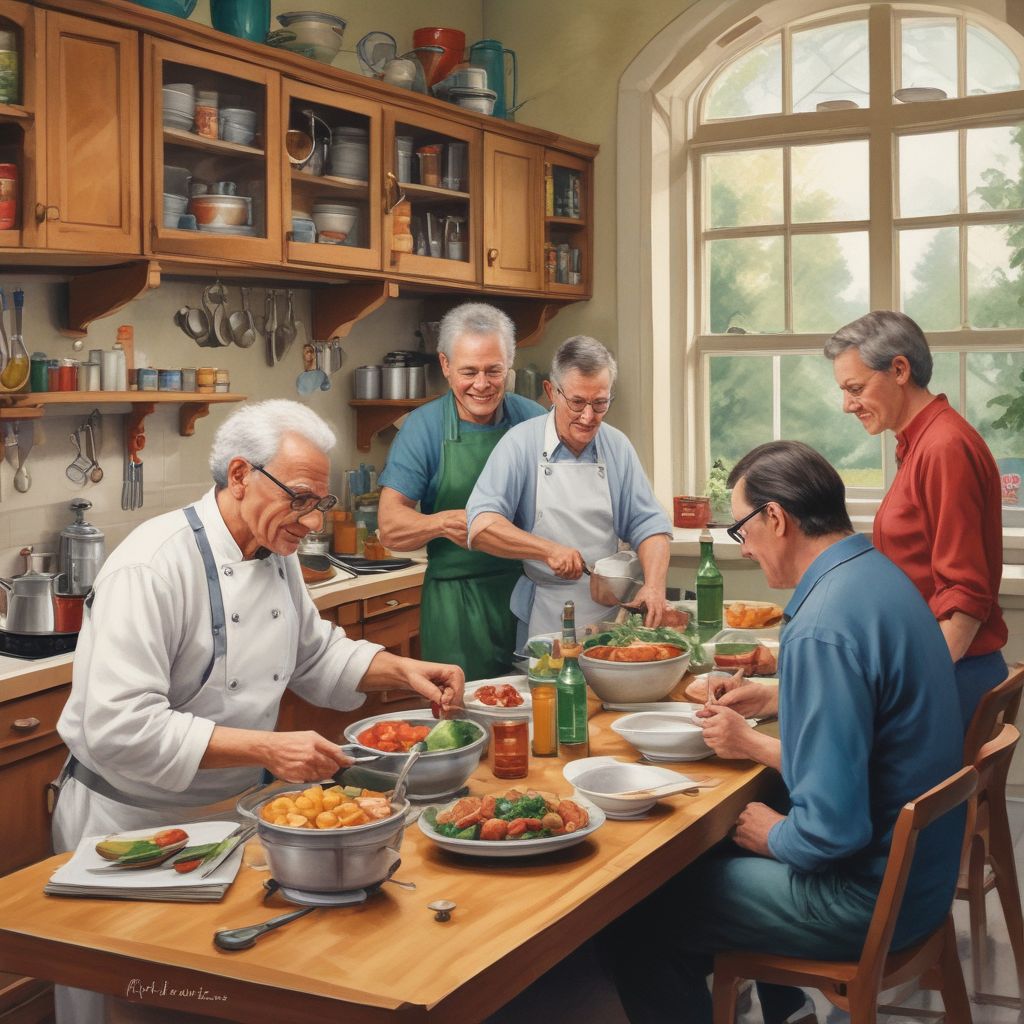
The Kitchen Keys experience transforms travel into a story-led dinner: booking intimate, home-hosted meals with retired local chefs uncovers lost recipes, neighborhood histories, and a sustainable, community-driven way to explore a city. With every shared table you gain not just a dish but a human connection—recipes passed down in whispers, maps of streets woven into conversation, and a sense of place that no guidebook can match.
Why Kitchen Keys Matters
Tourism often flattens culture into highlights and hashtags, but Kitchen Keys is about depth. When a retired cook invites guests into their kitchen, the meal becomes a vessel for cultural memory. These elder home cooks carry techniques and ingredients that have vanished from restaurants or evolved quietly in backyards and market stalls. The result is both culinary discovery and a living archive of neighborhood identity.
Three Things You Get from a Kitchen Keys Dinner
- Lost recipes revived: Heirloom recipes—grandmother’s stew, seasonal preserves, or a technique for fermenting—resurface and are explained with hands-on gestures and stories that textbooks miss.
- Neighborhood histories: Conversations often drift to local lore: how the street market changed, which waves of migrants shaped the flavors, and where to find a vanished pastry in a nearby bakery.
- Sustainable, ethical travel: Meals are small-scale and low-footprint, often using local markets and homegrown produce, directly supporting communities rather than anonymous tourist infrastructures.
How to Find and Book Home-Hosted Dinners
Finding an authentic Kitchen Keys experience requires a blend of research and intuition. Look for platforms and local community programs that specialize in elder-hosted meals or cultural exchange—read reviews for mention of storytelling, recipe sharing, and meaningful interaction rather than large, performative events.
Booking Checklist
- Confirm the host’s background and language support; many retired chefs are multilingual, but confirm expectations beforehand.
- Ask whether the host teaches a recipe, shares printed notes, or prefers conversation-only gatherings.
- Check accessibility, dietary restrictions, and whether the gathering is in a private home, community center, or market-adjacent kitchen.
- Verify payment and tipping policies—direct support goes a long way for elder cooks working on tight budgets.
What to Expect at the Table
Expect an atmosphere that’s part kitchen, part living room, part history lesson. Meals are usually small—4–12 people—and focus on connection. Hosts may cook most of the meal or involve guests in a hands-on segment like kneading dough or rolling stuffed leaves. Conversations can range from recipe origin stories to vivid recollections of neighborhood transformations.
Conversation Starters That Respect and Connect
- “How did you learn to make this dish?”
- “Which local ingredients did you grow up with that are harder to find now?”
- “Can you tell a memory linked to this recipe?”
Practical Tips for Travelers and Hosts
Both guests and hosts can take small steps to make the Kitchen Keys exchange richer and more ethical.
For Guests
- Come curious, not critical: appreciate variations rather than measuring against restaurant standards.
- Ask before photographing or requesting recipe copies—some recipes are guarded family treasures.
- Bring a small, thoughtful gift: local tea, a jar of preserves, or a handwritten note of thanks are meaningful gestures.
For Hosts
- Frame the meal as storytelling: a short intro about your life and cooking roots helps set the table for connection.
- Offer printed notes or a simple photo of the finished plate if comfortable—these small artifacts help recipes travel responsibly.
- Consider a pay-what-you-can or sliding scale to keep access broad while recognizing expertise.
Preserving Culinary Heritage Responsibly
There’s an ethical balance between sharing and commodifying. Kitchen Keys experiences should prioritize the agency of retired chefs: they decide what to teach, what to share publicly, and how to be compensated. Platforms and facilitators can help by handling bookings, ensuring clear consent for recording or sharing recipes, and funneling earnings back to community initiatives like food co-ops or neighborhood elders’ funds.
Ways to Support Long-Term Impact
- Donate a portion of booking fees to local culinary archives or elder care services.
- Help create community recipe books that record stories alongside ingredients and methods.
- Encourage intergenerational exchanges—partner with schools or cooking clubs to bring younger people into the kitchen.
Real-Life Vignettes: How a Meal Opens a City
In one port city, a retired fisherman’s wife recreated a fish stew using a salted-cured technique no longer used in restaurants, and her stories mapped a vanished fish market now a boutique mall. In another neighborhood, a former factory cook served a lunch of worker soups and bread that revealed the rhythms of shift work, migration, and neighborhood solidarity. These dinners turned strangers into witness-bearers of place.
Final Considerations: Safety, Respect, and Longevity
Safety protocols like verifying hosts, clear cancellation policies, and emergency contacts keep experiences secure. Respect includes honoring hosts’ boundaries about photography, recipe sharing, and meal timings. Longevity comes from building relationships: repeat visits, community partnerships, and creating archives that keep recipes alive for future generations.
Kitchen Keys offers a travel model that elevates elders, preserves culinary knowledge, and roots tourists in neighborhood life rather than transient consumption. These home-hosted dinners unlock not just doors, but stories, and a new way to move through a city with curiosity and care.
Conclusion: Booking a Kitchen Keys dinner—an intimate, home-hosted meal with a retired local chef—turns travel into preservation; it revives lost recipes, shares neighborhood histories, and supports sustainable, community-centered experiences that last beyond a single meal.
Curious to try a Kitchen Keys dinner on your next trip? Search for elder-hosted culinary experiences in your destination and book a table that tells a true city story.