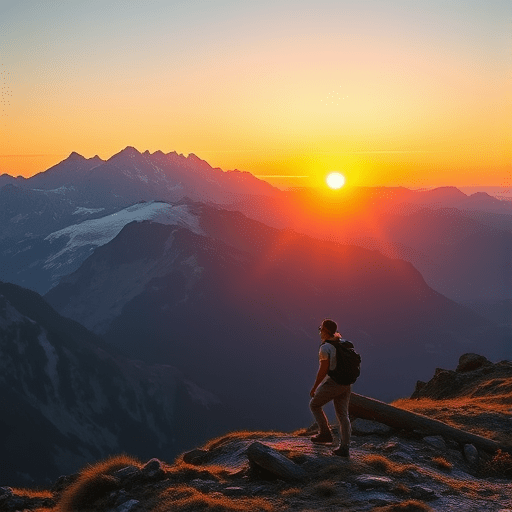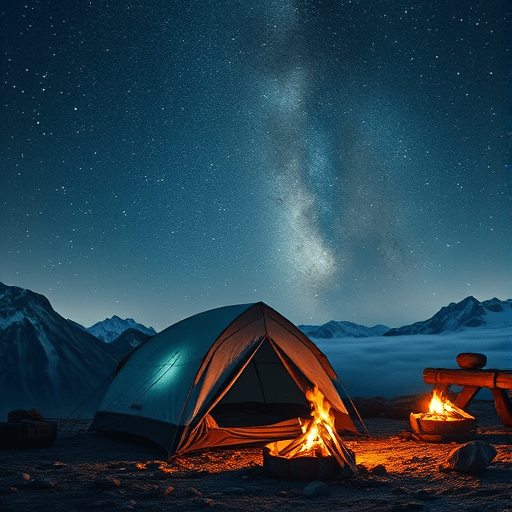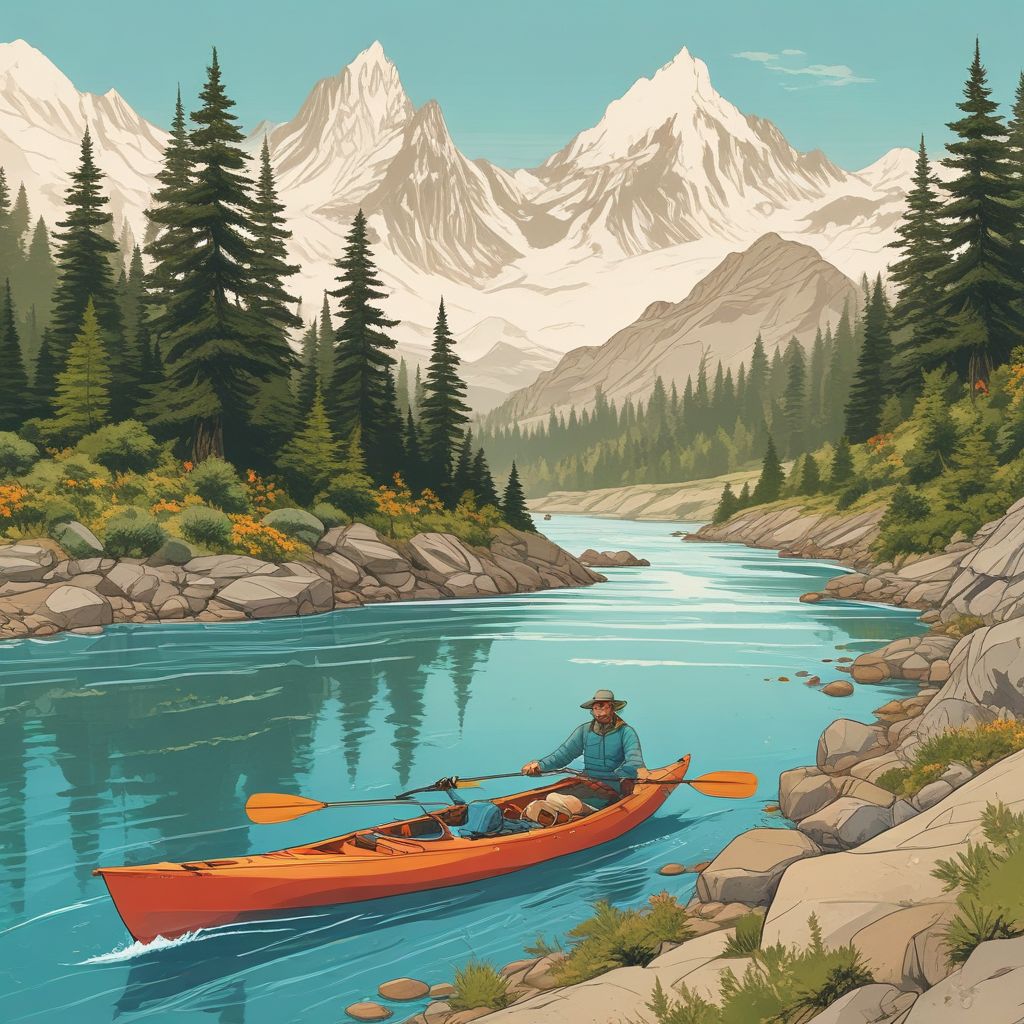
Kayak-to-summit micro-expeditions are an elegant way to blend water travel and ridge hikes into a single, concentrated adventure that avoids crowds and deepens wild immersion. Whether you’re aiming for a half-day ridge scramble accessible by a short paddle or a multi-day loop that skirts busy trailheads, careful planning lets you move fast, tread lightly, and simplify logistics.
Why choose a kayak-to-summit micro-expedition?
These hybrid routes reduce car shuttles, open access to wilderness corridors boaters know, and let you escape busy trailheads by approaching summits from water-linked ridgelines. The result is greater solitude, short logistics chains, and the satisfaction of connecting two movement disciplines into one coherent experience.
Benefits at a glance
- Avoids crowded trailheads and parking hassles
- Simplifies logistics—one vehicle, minimal shuttles
- Deepens wild immersion by linking shoreline travel with ridge views
- Encourages lightweight, low-impact planning
Choosing the right route
Start with maps and trip reports: combine nautical charts, topographic maps, and local beta from paddling forums and guidebooks. Identify put-in points with sheltered water access and ridgelines or secondary trails within a reasonable portage or short overland link. The ideal kayak-to-summit micro-expedition has:
- Short, manageable paddling legs (1–10 miles depending on group fitness)
- Clear landing or beach areas near a trail or an intuitive bushwhack route
- Ridge or spur hikes that avoid technical climbing—scrambles or maintained trails preferred
- Reasonable escape and bailout options for weather or mechanical issues
Route scouting tips
- Examine satellite imagery for beaches, ledges, and inlet gradients—look for change in vegetation signaling a path.
- Check tide tables and wind conditions; many shorelines are only landable at certain tides.
- Read recent trip reports to confirm landing feasibility and trail conditions.
- Plan for a conservative paddling distance and altitude gain; micro-expeditions are about quality, not maximum mileage.
Lightweight, low-impact gear and packing
Design gear around versatility. A lighter pack and a minimal kayak setup keep the transition from paddle to peak efficient. A compact kit also reduces environmental impact by minimizing campsite footprints and erosion on fragile ridgelines.
Essential gear checklist
- Sea or touring kayak with lash points and a small day hatch—consider a packraft for remote carry-access
- Lightweight backpack (20–30L) that fits over bulk layers
- Multifunction clothing: synthetic base, insulating mid-layer, waterproof shell
- Lightweight shelter options (bivy, tarp) if overnighting; or plan as a single-day out-and-back
- Low-weight stove and minimal cookware, or cold-stow for single-day trips
- Navigation: waterproof topo, map app with offline maps, compass, and basic altimeter or phone barometer
- Safety: PLB or satellite messenger, VHF or handheld marine radio (if applicable), first aid kit, repair kit for kayak
- Footwear transition: pack lightweight trail shoes for the ridge and water shoes for the landings
Packing strategy
- Keep water-access items (PFD, paddle float, spare paddle) external for quick deployment.
- Stow summit clothing and shoes in a small daypack—use dry bags to keep the pack dry during the paddle.
- Distribute weight low and centered in the kayak for stability; keep emergency gear accessible.
Low-impact practices on water and ridge
Conserve the wildness you seek. Follow Leave No Trace principles adapted to water travel: use established beaches for landing, avoid fragile vegetation when hauling kayaks, and carry out all waste. On ridges, stick to durable surfaces, avoid widening boot paths, and camp only where permitted or on durable sites.
- Use natural landing points; avoid dragging boats over tussocks or fragile soils.
- Minimize group size—2–4 is ideal for micro-expeditions to reduce impact and simplify decision-making.
- Respect wildlife and nesting areas—approach quietly and maintain distance.
Logistics, timing, and safety
Logistics for kayak-to-summit micro-expeditions are simpler than multi-vehicle trips, but still require meticulous planning. Weather, tides, and daylight dictate success; conservative decisions keep the trip enjoyable and safe.
Planning checklist
- Check tide and wind forecasts 48 and 12 hours before launch.
- Set realistic turnaround times tied to daylight and paddling time buffers.
- Notify someone of your plan with put-in and take-out times, and expected route.
- Carry both water and a small filtration method—ridges may offer little water.
- Practice wet exits, self-rescue, and shore landings before taking a remote route.
Sample one-day micro-expedition itinerary
Example: A sheltered inlet put-in (7:00) → 4-mile paddle to a quiet beach (8:30) → quick shore transition and 1–2 hour ridge hike to viewpoint (9:00–11:30) → lunch and photos (11:30–12:00) → return via ridge then beach for paddle back with an early tide window (12:00–15:30). This keeps the day compact and focused on immersion.
Community knowledge and permits
Local paddling clubs, ranger stations, and trip reports are goldmines for up-to-date beta on landings and informal trails. Verify permit requirements for camping or protected areas and buy permits in advance when required to avoid fines and to support conservation efforts.
Final safety reminders
Expect weather changes and have contingency plans: know bailout beaches, prearranged shuttle points, and when to abort. A small satellite communicator or PLB is strongly recommended for remote coastal or alpine-link routes where cell service is unreliable.
Kayak-to-summit micro-expeditions reward careful route design and light, low-impact choices. By choosing short, complementary paddling and ridge segments, practicing thoughtful packing, and respecting fragile landscapes, these trips deliver high solitude and deep connection in a compact adventure package.
Ready to plan your own kayak-to-summit micro-expedition? Start by scouting one sheltered put-in and one nearby ridge—then design a comfortable, low-impact day that matches your skill and gear.