HydroCycling: Merging Competitive Swimming with Mountain Biking for Endurance Training
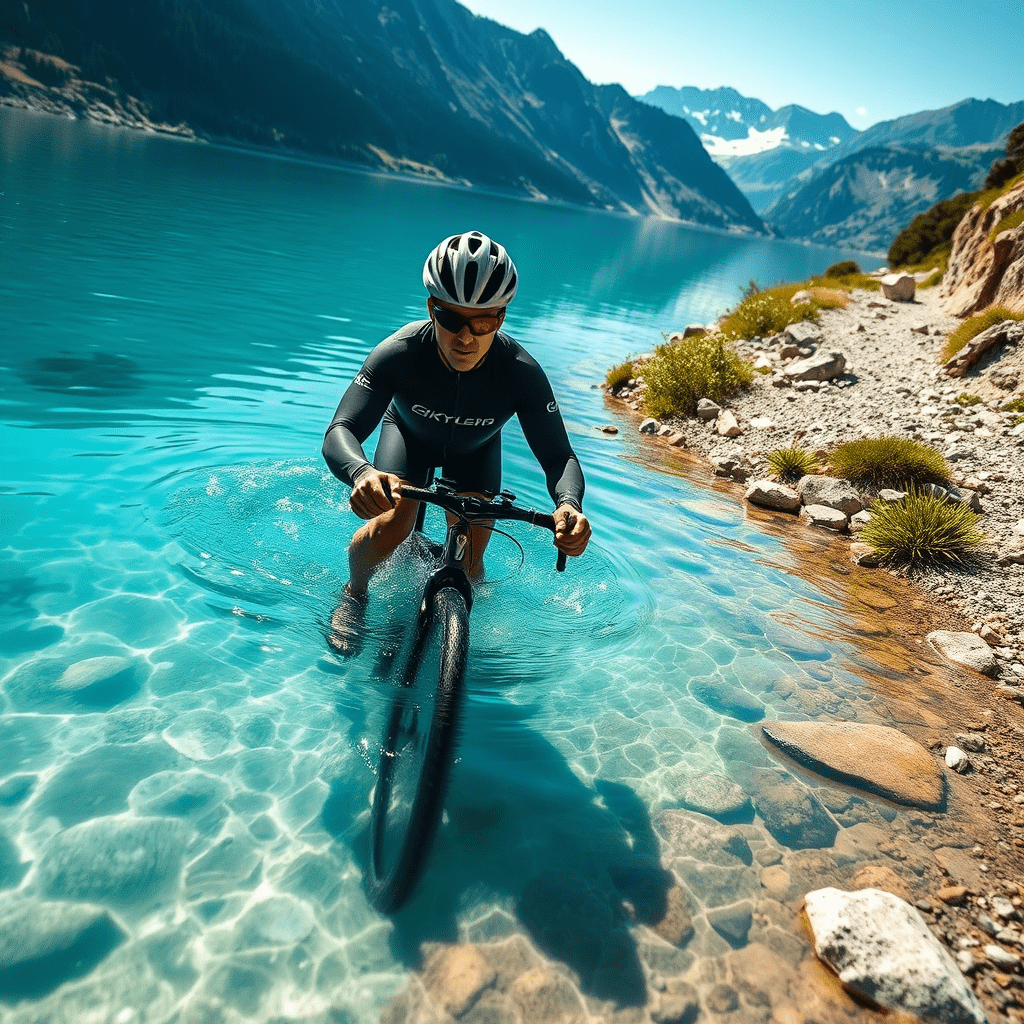
HydroCycling is a groundbreaking training concept that fuses the low‑impact, high‑intensity world of competitive swimming with the dynamic, muscular demands of mountain biking. By leveraging water‑based cardio, athletes can enhance aerobic capacity, strengthen stabilizing muscles, and recover more efficiently—all while keeping joints gentle and injuries at bay. Whether you’re a seasoned cyclist looking to break plateaus or a swimmer aiming to diversify your conditioning, HydroCycling offers a science‑backed path to superior endurance performance.
The Science Behind HydroCycling
Cardiovascular Synergy
Both swimming and cycling are predominantly aerobic activities, yet they engage slightly different cardiovascular pathways. Swimming forces the body to breathe in rhythm with strokes, encouraging diaphragmatic depth and lung capacity. Cycling, especially on challenging trails, triggers high‑intensity bursts that elevate heart rate quickly. When combined, these modalities train the heart to adapt to varied oxygen demands, improving VO₂ max more efficiently than isolated training.
Muscle Recruitment and Recovery
Water provides natural resistance without the joint stress typical of running or road cycling. The resistance is isotonic, meaning it works both concentric and eccentric muscle fibers evenly. Cyclists benefit from stronger hip stabilizers, glutes, and core, which are often under‑used in flat road training. In contrast, swimmers develop a stronger upper body and improved shoulder mobility, translating to better bike posture and power transfer.
Metabolic Benefits
Water immersion increases blood flow to the extremities and raises core temperature, accelerating metabolic waste removal. This enhances lactate clearance, allowing athletes to sustain higher training intensities for longer periods. The result is a more efficient energy system that can be carried over to on‑bike efforts.
Building a HydroCycling Program
Periodization Framework
- Base Phase (4–6 weeks): Focus on steady, moderate‑intensity swims (50–75% HRmax) combined with easy trail rides. Aim for 3–4 sessions per week.
- Build Phase (4–6 weeks): Introduce interval swimming (e.g., 4 × 100 m sprints) and hill repeats on the bike. Keep volume steady but raise intensity.
- Peak Phase (2–3 weeks): Shorten swim sessions to high‑intensity bursts (e.g., 10 × 25 m) and integrate long rides with tempo climbs. Prioritize recovery and taper off swim volume.
- Recovery Phase: Low‑intensity swims (gentle drills) and easy bike rides, focusing on mobility and stretching.
Sample Weekly Schedule
| Day | Activity | Duration | Intensity |
|---|---|---|---|
| Mon | Pool: 30 min easy swim + 20 min core drills | 50 min | Light |
| Tue | Trail: 90 min steady climb | 90 min | Moderate |
| Wed | Rest / mobility | — | — |
| Thu | Pool: 4 × 100 m intervals, 2 min rest | 45 min | High |
| Fri | Trail: 60 min mixed terrain, 5 min hard climbs | 60 min | Variable |
| Sat | Long bike: 4 h with 3 h tempo segment | 4 h | Endurance |
| Sun | Recovery swim: 20 min easy + 10 min drills | 30 min | Light |
Key Drills and Techniques
- Water Run: Mimic running strokes in the pool to improve lower‑body coordination.
- Sprint Intervals: 25 m bursts help develop anaerobic threshold.
- Stability Work: Use a stability ball or floatboard to target core and hip abductors.
- Trail Plyometrics: Incorporate single‑leg jumps and lunges on uneven terrain.
Equipment Essentials
Swim Gear
- Comfortable, non‑reflective goggles with a wide field of view.
- Swim cap that fits snugly to reduce drag.
- Swim fins for added resistance during drills.
Bike & Trail Gear
- Hybrid or gravel bike with wide tires for varied terrain.
- Helmet with good airflow and a reflective vest for visibility.
- Multi‑sport watch that logs heart rate, power, and GPS simultaneously.
Recovery Tools
- Foam roller and massage stick for post‑session muscle release.
- Portable compression sleeves for hamstrings and calves.
- Heat pack or ice pack for inflammation control.
Real‑World Athlete Stories
Case Study 1: Emma K. – Professional Triathlete
Emma incorporated HydroCycling into her off‑season routine and reported a 12% increase in her cycling time trial power output. The swimming component allowed her to maintain cardiovascular fitness while giving her legs a break from the repetitive pedal stroke, reducing her risk of overuse injuries.
Case Study 2: Daniel S. – Cross‑Country Cyclist
Daniel used water‑based cardio to recover from a severe knee injury. By training in the pool, he preserved aerobic capacity while minimizing joint loading. Upon return to the trail, he displayed quicker climb recoveries and improved overall endurance.
Case Study 3: Maya R. – Recreational Biker
Maya’s goal was to lose weight and build stamina. She followed a structured HydroCycling plan for 12 weeks and lost 8 kg while increasing her weekly ride distance from 25 km to 70 km. The low‑impact nature of swimming made it easier to stick with the program consistently.
Common Pitfalls and How to Avoid Them
- Overtraining: The dual‑sport approach can be intense. Monitor heart rate variability (HRV) and keep training loads within 80% of your weekly limit.
- Improper Technique: Bad swim form can waste effort. Invest in a few sessions with a swim coach to refine stroke mechanics.
- Equipment Neglect: Using worn out tires or outdated swim gear can lead to injury or reduced performance.
- Nutrition Gaps: Higher training volume requires more calories, especially protein and electrolytes. Track intake and adjust as needed.
The Future of HydroCycling
As wearable technology advances, the ability to monitor multi‑sport metrics in real time will streamline training optimization. Virtual coaching platforms are beginning to offer integrated HydroCycling plans, allowing athletes to receive instant feedback on stroke efficiency and bike power curves. Moreover, emerging research into cross‑training synergy suggests that the combination of aquatic resistance and land‑based power could unlock new performance ceilings, especially for endurance specialists.
HydroCycling is more than a novel fad; it’s a scientifically grounded method to blend the best of both worlds—water and trail—into a single, efficient training paradigm. By strategically balancing swim and bike sessions, athletes can enjoy faster recovery, lower injury risk, and higher performance gains.
Conclusion
Whether you’re a seasoned cyclist, a competitive swimmer, or a dedicated endurance enthusiast, HydroCycling offers a versatile, low‑impact training avenue that can elevate your performance. By mastering both disciplines, you not only strengthen your body but also build mental resilience, adapting to varied environments and challenges. Start incorporating HydroCycling into your regimen today and feel the difference as your endurance, power, and recovery improve.
Take the first step: find a local pool and trail, plan a balanced schedule, and let the water and mountains guide you to new heights.