The rise of GitOps for Ephemeral Developer Sandboxes has transformed how teams test features: per-branch Kubernetes clusters are provisioned on demand, secured with automated policies, and torn down when no longer needed—cutting cloud spend and accelerating feedback loops. In this article, we’ll walk through a practical, multi-cloud approach to building ephemeral sandboxes using GitOps patterns, tools, and concrete best practices to make per-branch environments safe, fast, and cost-effective.
Why Ephemeral Sandboxes Matter
Ephemeral developer sandboxes give teams an isolated, production-like environment for every branch, enabling realistic integration testing, early QA, and stakeholder demos without the risk of interfering with shared staging clusters. When combined with GitOps for Ephemeral Developer Sandboxes, the lifecycle of these clusters becomes declarative and auditable, driven by pull requests and branch events rather than manual scripts.
- Faster feedback: Developers validate changes in a full cluster before merging.
- Lower blast radius: Each branch gets isolation, minimizing cross-team interference.
- Cost control: Tear down inactive sandboxes automatically to avoid waste.
- Compliance & auditability: Git history becomes the single source of truth for environment configuration.
High-Level Architecture
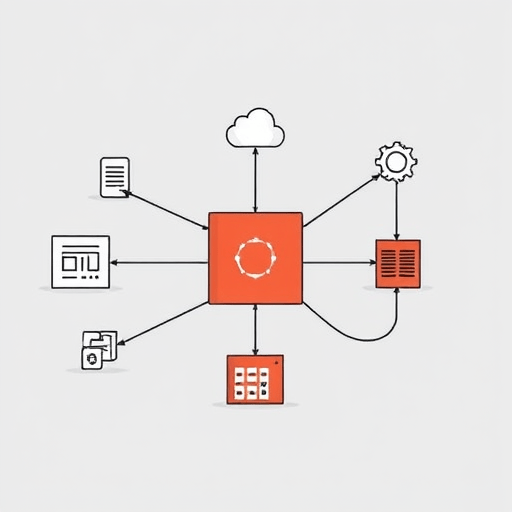
A robust multi-cloud ephemeral sandbox architecture typically includes:
- Cluster lifecycle manager (Cluster API, Crossplane) to create clusters across AWS, GCP, and Azure.
- GitOps operators (Argo CD or Flux) to sync application manifests per branch.
- Secrets management (sealed-secrets, HashiCorp Vault, or cloud KMS) integrated with the GitOps pipeline.
- Policy and security enforcement (OPA/Gatekeeper, Kyverno) to enforce guardrails at creation and runtime.
- CI orchestration (GitHub Actions, Tekton, or Jenkins) to trigger provisioning on PR open and teardown on merge/close.
Provisioning Workflow: From PR to Cluster
Make provisioning entirely event-driven and declarative with these steps:
- Developer opens a pull request or pushes a branch.
- CI pipeline generates a branch-specific environment manifest in a dedicated infra repo (cluster spec, namespace, resource quotas).
- Cluster lifecycle manager (e.g., Crossplane or Cluster API) reads the manifest and provisions a lightweight Kubernetes cluster in the selected cloud.
- GitOps operator (Argo CD/Flux) bootstraps into the cluster and syncs app manifests linked to the branch.
- Post-deploy tasks run (database migrations in ephemeral DBs, smoke tests, feature flipper toggles).
Tips for fast provisioning
- Use minimal node sizes and autoscaling groups with aggressive scale-to-zero policies for idle workloads.
- Deploy only essential components (app namespace, ingress, observability sidecars) to keep spin-up time low.
- Cache base images in regional registries or use image pre-pulls for common base images.
Security Best Practices
Security must be integrated into the GitOps pipeline to prevent accidental exposures. Apply these principles:
Least privilege and secrets
- Use ephemeral cloud credentials scoped to the provisioning operation and rotate them frequently.
- Store secrets encrypted in the Git repo using tools like sealed-secrets or SOPS backed by a cloud KMS or Vault.
- Provision a dedicated service account per sandbox with minimal permissions and make access time-limited.
Policy-as-code and admission controls
- Enforce resource quotas and network policies via OPA/Gatekeeper or Kyverno templates to limit CPU, memory, and egress.
- Require an allowlist for container registries and block privileged containers in ephemeral sandboxes.
- Automate vulnerability scanning for images before they are allowed into the environment.
Cost Optimization and Teardown Strategies
Keeping costs low is a core goal: automate teardown and use cloud-native cost controls.
- Auto-teardown triggers: close/merge of PR, inactivity timer (e.g., 24–72 hours), or explicit “destroy” comment on PR.
- Spot/preemptible instances: with careful design, use lower-cost node types for non-critical workloads.
- Resource sizing: apply conservative resource requests and limits in branch manifests, and use burstable workloads for short-lived tests.
- Central billing hooks: tag cluster resources with branch IDs for chargeback and easy cost reporting.
Monitoring, Observability, and Feedback Loops
Instrument ephemeral clusters so developers get fast, actionable feedback:
- Aggregate logs and traces to a central, short-retention observability stack (Loki/Tempo/Prometheus remote write) to avoid high storage costs.
- Provide a snapshot dashboard per sandbox with health checks and smoke-test results surfaced in the PR.
- Fail-fast gates: block merging if critical smoke tests fail or policy checks don’t pass.
Tooling Patterns and Examples
Mix and match the following proven tools to implement GitOps for Ephemeral Developer Sandboxes:
- Cluster provisioning: Cluster API (multi-cloud), Crossplane for managed services and infra composition.
- GitOps operators: Argo CD for app syncing and PR-driven apps; Flux for workload reconciliations.
- CI/CD: GitHub Actions or Tekton to orchestrate the create/destroy lifecycle in response to PR events.
- Security: Sealed-secrets/SOPS + KMS, OPA/Gatekeeper for policy enforcement.
- Cost: Use native autoscaling, spot instances, and scripted teardown hooks in CI.
Practical Checklist to Get Started
- Create a lightweight infra repo for branch manifests and a policy repo for OPA/Gatekeeper rules.
- Implement a CI workflow that: generates branch manifests, calls Crossplane/Cluster API, and triggers GitOps sync.
- Integrate secrets encryption and short-lived cloud credentials in the pipeline.
- Add test gates and PR comments that display environment URLs and smoke-test outcomes.
- Configure auto-teardown policies and cost tagging to ensure resources are reclaimed.
Common Pitfalls and How to Avoid Them
- Avoid provisioning fully production-size clusters for each branch—favor lightweight clusters or namespace isolation when appropriate.
- Don’t commit plaintext secrets—use sealed/secrets or SOPS with KMS keys instead.
- Guard against resource leaks by implementing multiple teardown triggers (PR close, idle timer, scheduled cleanup cron job).
GitOps for Ephemeral Developer Sandboxes delivers a repeatable, secure, and cost-conscious way to spin up full-stack test environments per branch, accelerating developer feedback while keeping cloud spend under control. By combining declarative infra, Git-driven workflows, and automatic security and teardown policies, teams can get production-like validation earlier and safer.
Ready to implement per-branch sandboxes? Start by choosing a Cluster API or Crossplane pattern, wire it into your CI, and add a GitOps operator—then iterate on policies and cost controls as you scale.