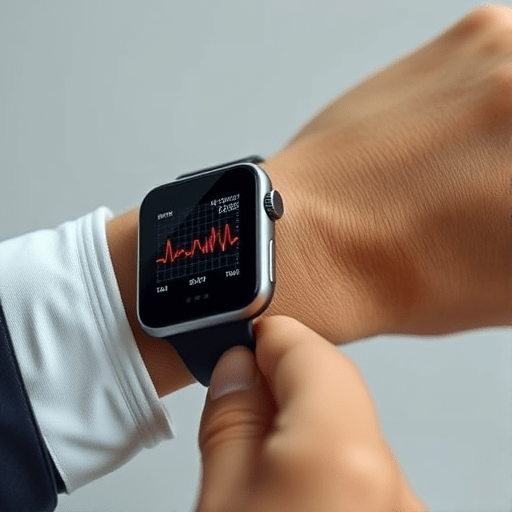
In 2026, heart‑monitoring wearables are moving from novelty gadgets to essential clinical tools. Yet, clinicians and manufacturers face a double bind: the sensors must deliver clinically reliable data, and the data handling must satisfy GDPR’s stringent privacy requirements. This article outlines a pragmatic framework that lets healthcare providers keep both accuracy and compliance on the same page.
1. Start with a Robust Sensor Accuracy Verification Protocol
Accuracy verification is the bedrock of any cardiac wearable’s clinical credibility. Follow a tiered testing regime that mirrors the device’s intended use:
- Laboratory Benchmarks: Use gold‑standard ECG machines and controlled motion platforms to benchmark each sensor’s signal‑to‑noise ratio, heart‑rate detection, and arrhythmia flagging thresholds.
- In‑Field Pilot Studies: Deploy the device on a small cohort of patients in real‑world settings. Compare wearable readings to simultaneous clinical measurements to catch context‑specific drift.
- Regulatory‑Grade Clinical Trials: If the device is intended for diagnostic decision‑support, a randomized trial with a >90% concordance rate is often required by both medical device regulators and GDPR‑conscious data stewards.
Document every step in a Device Accuracy Management System (DAMS). This log serves as the evidence trail during both regulatory audits and GDPR data protection impact assessments (DPIAs).
2. Build a Privacy Impact Assessment Into the Accuracy Workflow
GDPR’s Data Protection Impact Assessment (DPIA) is not optional for high‑risk processing like health data. Embed the DPIA at the start of the accuracy testing phase to pre‑empt privacy pitfalls:
- Purpose Limitation: Clearly define whether the data is for clinical monitoring, research, or product improvement. Narrow scopes reduce the amount of personal data exposed.
- Data Minimization: Record only the fields necessary for accuracy checks—pulse waveforms, ECG leads, and time stamps—while discarding extraneous metadata (e.g., GPS coordinates unless clinically relevant).
- Retention Schedule: Establish how long each dataset will be stored, and ensure automatic deletion or anonymization thereafter.
Link to a detailed guide on data anonymization techniques here:
3. Leverage Edge Computing to Protect Data In Transit
One of the most effective ways to satisfy GDPR while maintaining sensor fidelity is to process data locally on the device or on a secure edge server. This approach reduces the amount of raw health data that traverses networks:
- On‑Device Signal Processing: Algorithms that extract heart‑rate, rhythm, and variability metrics can run directly on the wearable, producing summarized data that is less sensitive.
- Secure Edge Gateways: When local processing is infeasible (e.g., complex arrhythmia detection), data should be encrypted at the sensor, then transmitted to a hospital‑owned edge node that can perform real‑time analysis before forwarding anonymized results to cloud analytics.
- End‑to‑End Encryption: Use TLS 1.3 for all transmissions and maintain a key‑management policy compliant with GDPR Article 32.
4. Apply the “Privacy by Design” Principle to Firmware and Software
GDPR mandates that privacy be integrated into the technology lifecycle, not retrofitted. Embed privacy safeguards in firmware updates and cloud services:
- Consent Management Module: Users should see granular permissions (e.g., “allow real‑time heart‑rate monitoring” vs. “allow sharing with research studies”) and be able to revoke them instantly.
- Data Anonymization Hooks: Incorporate pseudonymization layers that strip personally identifiable information before any analytics engine processes the data.
- Audit Trails: All data accesses, modifications, and transfers must be logged with tamper‑evident timestamps.
5. Perform Independent Validation and Third‑Party Certification
Independent testing adds credibility to both accuracy claims and privacy compliance. Engage a neutral laboratory to:
- Verify sensor drift rates against IEC 60601‑1 standards.
- Assess the efficacy of encryption protocols under penetration testing.
- Audit the firmware for unauthorized data exfiltration pathways.
Certification from recognized bodies (e.g., ISO 27001 for information security, IEC 62304 for medical device software) signals to regulators and patients alike that the product meets both technical and legal expectations.
6. Develop a Continuous Post‑Market Surveillance Plan
Accuracy and privacy are not one‑off checks; they require ongoing oversight. Create a surveillance framework that triggers re‑validation when:
- New firmware versions are released.
- Clinical use cases expand (e.g., moving from monitoring to emergency alerts).
- Regulatory changes mandate tighter privacy controls.
Deploy automated dashboards that flag anomalies in sensor performance and data‑handling logs. Tie these alerts to a GDPR‑aligned incident response protocol that defines who, when, and how data breaches are communicated.
7. Engage Stakeholders Through Transparent Communication
Transparency builds trust and can mitigate GDPR penalties. Provide patients and clinicians with:
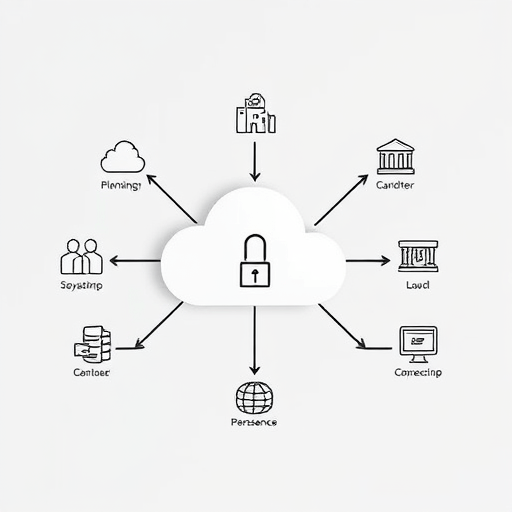
- Data Flow Diagrams: Visualize how raw sensor data moves from the wearable to storage, analytics, and reporting layers.
- Privacy Impact Summaries: Summarize DPIA outcomes in plain language, outlining the risks and mitigation measures.
- Consent Templates: Offer modular consent texts that align with specific clinical workflows.
Involve patient advocacy groups in reviewing these materials; their feedback can surface privacy concerns that technical teams may overlook.
8. Map GDPR Articles to Practical Technical Controls
Below is a quick reference that ties key GDPR clauses to actionable steps in a wearable ecosystem:
- Article 5 – Lawfulness, Fairness, Transparency: Enforce clear consent mechanisms and provide easily accessible privacy notices.
- Article 6 – Lawfulness of Processing: Justify data use under legitimate interest only when clinical benefit outweighs privacy risks.
- Article 9 – Processing of Special Categories: Ensure data minimization and strict access controls for heart‑related health data.
- Article 12–13 – Right to Information & Data Portability: Offer downloadable, machine‑readable data extracts to patients.
- Article 32 – Security of Processing: Maintain encryption, intrusion detection, and regular penetration tests.
9. Prepare for Cross‑Border Data Transfer Challenges
Many wearables funnel data to cloud services located abroad. GDPR permits transfers only if the destination country provides an adequate level of protection or if specific safeguards are in place:
- Use Standard Contractual Clauses (SCCs) or Binding Corporate Rules (BCRs) for cross‑border flows.
- Where the data is processed by third‑party analytics vendors, conduct a contractual DPIA that includes data‑transfer clauses.
- Consider hybrid cloud solutions that keep sensitive patient data on EU servers while offloading non‑critical analytics to external nodes.
10. Create a Documentation Hub for Compliance Audits
GDPR audits require a single source of truth for all privacy and accuracy evidence. Build an internal knowledge base that contains:
- Device Technical Specifications and Accuracy Test Reports.
- DPIA Documents, Consent Forms, and Data Flow Diagrams.
- Security Architecture Blueprints and Incident Response Plans.
- Certification Certificates and External Audit Findings.
Ensure the hub is version‑controlled and that any updates trigger re‑review by the privacy and clinical validation teams.
Conclusion
Balancing sensor accuracy and GDPR compliance in cardiac wearables is a disciplined exercise that marries rigorous engineering with proactive privacy engineering. By integrating accuracy verification into every phase of the device lifecycle, embedding privacy from the outset, and maintaining transparent, auditable processes, manufacturers and clinicians can deliver reliable heart‑monitoring solutions that respect patients’ rights and meet regulatory expectations.