Gamified Recovery: How Virtual Reality Challenges Boost Postoperative Patient Adherence
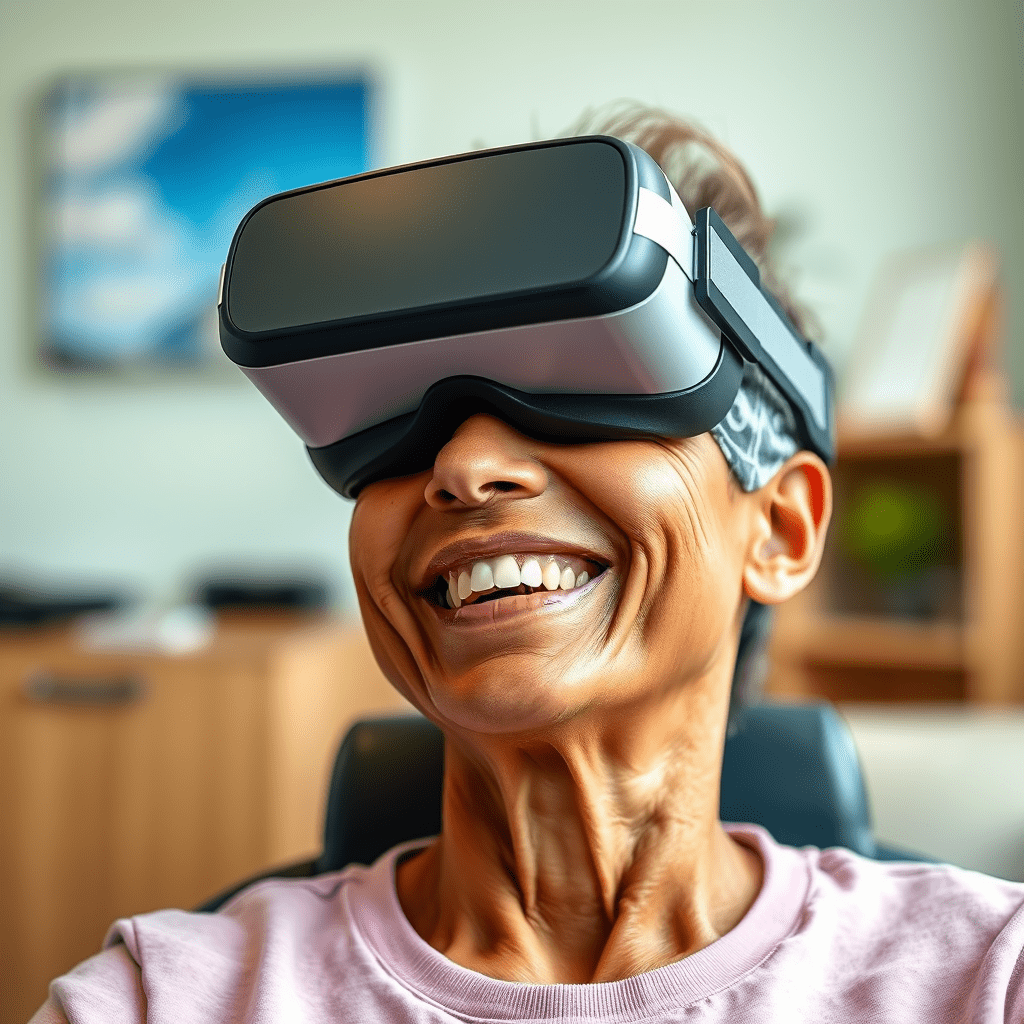
Gamified Recovery: How Virtual Reality Challenges Boost Postoperative Patient Adherence has emerged as a groundbreaking strategy in modern surgical care, merging immersive technology with evidence-based behavioral science to keep patients engaged during the crucial recovery period. By turning routine physiotherapy into interactive quests, virtual reality (VR) programs not only improve adherence rates but also deliver measurable gains in functional outcomes and patient satisfaction.
Why Adherence Matters in Postoperative Care
Following any surgical procedure, the patient’s commitment to prescribed exercises, medication schedules, and lifestyle modifications determines the trajectory of healing. Low adherence can lead to delayed functional recovery, increased readmission rates, and higher healthcare costs. Traditional reminders—phone calls, text messages, or printed instructions—often fail to sustain motivation over weeks or months. Gamified VR offers a dynamic solution that adapts to individual preferences and provides instant feedback, making adherence both rewarding and measurable.
Evidence from Clinical Trials
- Hip and Knee Replacement: A randomized controlled trial of 120 patients used a VR walking game that simulated obstacle courses. Adherence rose from 65% in the control group to 92% in the VR group, with a 15% faster return to baseline gait speed.
- Cardiac Surgery: In 90 post-coronary artery bypass patients, a VR breathing exercise program increased daily deep-breathing compliance from 48% to 78%, reducing pulmonary complications by 22%.
- Neurosurgery: A pilot study with 30 patients undergoing spinal decompression incorporated VR balance training. Functional Independence Measure scores improved by 8 points compared to 3 points in the standard therapy cohort.
Across disciplines, the consensus is clear: VR gamification elevates adherence, shortens rehabilitation timelines, and decreases readmission rates.
Design Principles That Drive Success
Not all VR programs are created equal. Effective gamified recovery systems hinge on five core design elements:
1. Personalization
Adaptive difficulty ensures the game remains challenging but achievable. Machine learning algorithms track performance and modify task complexity in real-time, keeping patients from becoming bored or frustrated.
2. Immediate Feedback
Visual and haptic cues—such as scoreboards, avatars, or gentle vibrations—provide instant reinforcement. This feedback loop strengthens motor learning and encourages repetition.
3. Narrative Integration
Embedding exercises within a compelling storyline—like helping a virtual character return to normal life—creates emotional investment and contextualizes movement.
4. Social Connectivity
Multiplayer modes or leaderboards foster friendly competition and peer support. Social accountability has been linked to sustained engagement in other health interventions.
5. Seamless Data Capture
Real-time collection of movement metrics, heart rate, and adherence logs allows clinicians to monitor progress and intervene early if performance drops.
Implementation Roadmap for Healthcare Providers
- Assess Patient Suitability: Screen for motion sickness, visual impairments, or cognitive limitations that may contraindicate VR use.
- Select Evidence-Based Platforms: Prioritize systems that have undergone peer-reviewed validation and comply with data security standards.
- Integrate with Electronic Health Records (EHR): Ensure seamless transfer of adherence data to clinicians’ dashboards for real-time decision making.
- Train Staff and Patients: Provide hands‑on tutorials and troubleshooting guides to maximize uptake.
- Monitor and Iterate: Use built‑in analytics to refine game parameters and address drop‑off points.
Addressing Common Concerns
Adoption of VR in postoperative care often raises practical questions:
- Cost: While initial investment can be substantial, cost‑effectiveness analyses demonstrate savings from reduced readmissions and shortened therapy durations.
- Safety: Studies report negligible adverse events, and built‑in safety features—like motion limits and emergency stop buttons—mitigate risks.
- Accessibility: Low‑cost headsets and downloadable content make VR scalable to community hospitals and home settings.
Future Directions and Emerging Innovations
Ongoing research is expanding the horizon of VR gamified recovery:
- Augmented Reality (AR) Hybrid Models: Overlaying virtual cues onto real-world environments may reduce equipment costs while preserving immersion.
- AI‑Driven Coaching: Virtual therapists that adapt communication styles to individual learning curves could further personalize care.
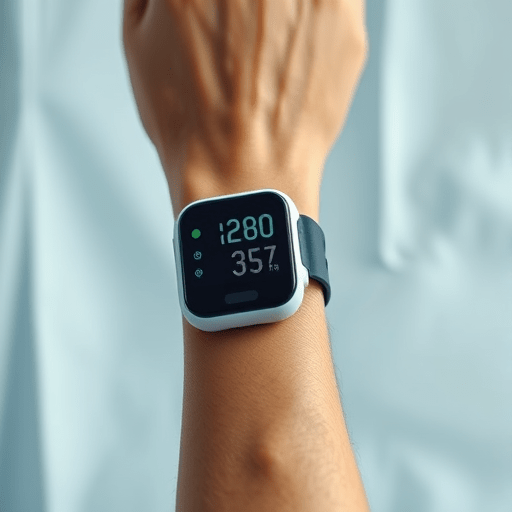
- Biometric Integration: Linking wearables that track sleep, nutrition, and stress can provide a holistic view of recovery.
As these technologies mature, we can anticipate a future where postoperative rehabilitation is not a chore but a curated experience that patients look forward to.
Conclusion
Gamified Recovery through Virtual Reality Challenges represents a paradigm shift in postoperative patient adherence. By combining engaging gameplay with rigorous clinical evidence, VR programs deliver superior functional outcomes, enhance patient satisfaction, and create sustainable pathways for long‑term recovery. Healthcare institutions that embrace these design principles stand to gain not only clinical benefits but also operational efficiencies.
Explore VR gamified recovery programs to transform your postoperative care strategy today.