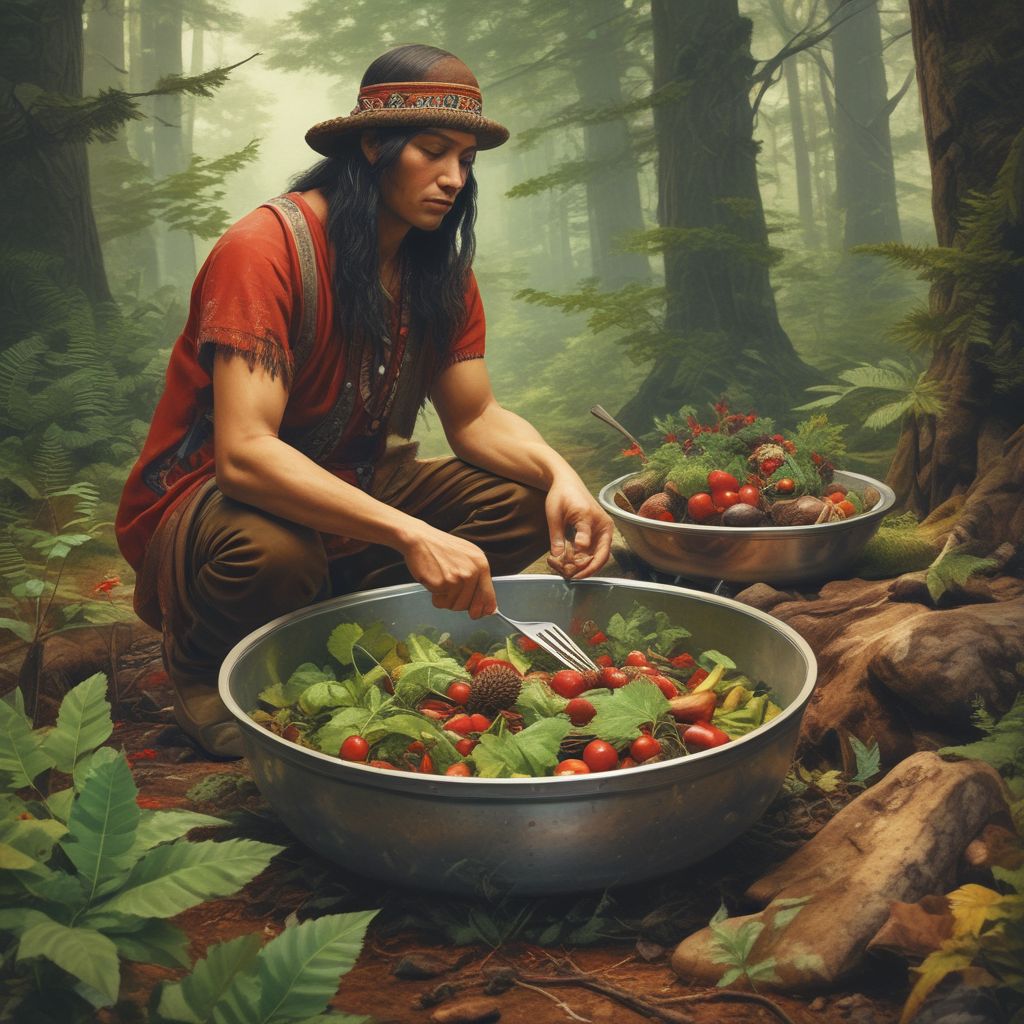
The Ancient Art of Foraging
For Indigenous communities, foraging isn’t a hobby—it’s a lifeline woven into cultural identity. Long before supermarkets stocked shelves, people lived in harmony with seasonal cycles, identifying edible plants, tracking animal migrations, and harvesting with respect. These traditions preserve biodiversity and pass down knowledge through generations.
Joining a foraging expedition means learning to see the forest differently. A seemingly ordinary patch of ground might hold wild garlic, tart berries, or medicinal herbs. Guides teach you to recognize subtle signs: the shape of a leaf, the pattern of bird droppings, the scent of roots. This knowledge transforms everyday walks into treasure hunts for nature’s hidden gifts.
Why Join a Foraging Expedition?
Connect with the Land
Modern life often distances us from where food comes from. Foraging bridges that gap. You’ll walk through ecosystems where every element plays a role, understanding how plants support pollinators, how animals disperse seeds, and how seasons dictate abundance. This awareness fosters gratitude and responsibility toward the environment.
Discover Wild Flavors
Store-bought produce pales in comparison to the vibrant, complex tastes of foraged ingredients. Imagine biting into a forest strawberry, smaller but bursting with sweetness, or chewing on pine nuts gathered from ancient trees. These flavors are intense, varied, and unbound by agricultural standards.
- Wild herbs like yarrow or mint add aromatic depth to dishes.
- Native berries such as huckleberries or rosehip offer tart, juicy brightness.
- Edible bark and roots, prepared with traditional methods, provide earthy, nutty notes.
Learn Sustainable Practices
Foraging isn’t about taking—it’s about balance. Indigenous guides emphasize ethical harvesting: never taking more than half of a patch, leaving seeds for regeneration, and respecting animal habitats. These practices ensure resources remain for future generations and maintain ecological health.
What to Expect on Your Journey
A foraging expedition is an immersive experience. Depending on the season and location, activities might include:
- Identifying edible mushrooms hiding under conifers.
- Gathering seaweed or shellfish along coastal shores.
- Learning to prepare wild greens using traditional cooking methods.
- Discovering natural dyes and medicinal plants along the trail.
Guides often share stories tied to the land—myths, historical uses, and personal family traditions. You might taste a bitter root that, when cooked, becomes a staple of winter meals, or sample a tea made from willow bark, a natural pain reliever used for centuries.
Preparing for Your Expedition
While the focus is on learning, a few basics help you get the most out of your experience:
- Comfortable shoes suitable for uneven terrain.
- Weather-appropriate clothing—layers, rain gear, sun protection.
- A reusable container for collecting samples.
- An open mind and curiosity—some plants may look unusual at first glance.
Most expeditions provide tools like baskets, knives, and water. Bring a notebook if you’d like to record names, uses, or personal reflections.
The Culinary Rewards
The true culmination of foraging arrives when you transform your finds into meals. Many guides end the day with a shared meal featuring the day’s harvest. You’ll taste dishes you’ve never imagined:
- Salads tossed with foraged greens and wildflowers.
- Soups simmered with root vegetables and forest herbs.
- Stews infused with game meat and native berries.
These meals aren’t just food—they’re narratives of place, culture, and survival. Each bite carries the terroir of the land, a flavor profile shaped by soil, climate, and sunlight. Cooking with foraged ingredients also encourages creativity, as you adapt recipes to what’s available and seasonal.
Preserving the Legacy
By participating in Indigenous-led foraging, you become part of a larger movement to honor and protect traditional knowledge. These expeditions often support community initiatives, fund land stewardship projects, and empower Indigenous voices. Your involvement helps keep these practices alive.
As you walk away from the forest, you carry more than a basket of ingredients. You gain a deeper appreciation for the interconnectedness of ecosystems, the resilience of cultural practices, and the profound joy of tasting the world as it was meant to be savored. The next time you sit at a table, remember—the most extraordinary flavors often begin with a single step into the wild.