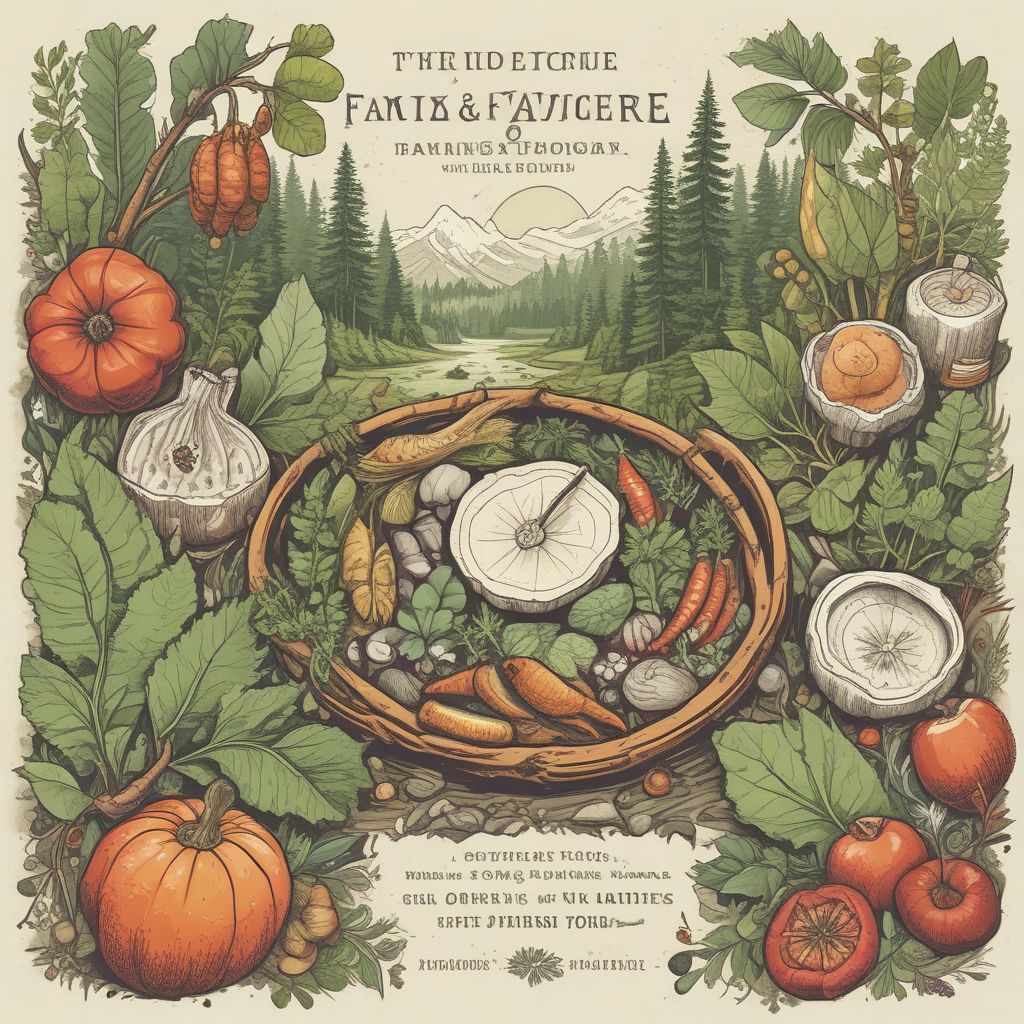
Ethical foraging tours offer a rare chance to learn wild food knowledge from someone rooted in the land—whether a grandmother who knows every blackberry bend or a young guide reviving forgotten herb lore—and they leave travelers with recipes, respect, and an appetite for place. On an ethical foraging tour you’ll not only gather wild ingredients but hear the family recipes and stories they inspire, learning how to harvest sustainably so those plants thrive for generations to come.
Why choose ethical foraging tours?
Beyond the novelty of tasting a freshly foraged morsel, ethical foraging tours center stewardship, cultural exchange, and food sovereignty. These tours pair hands-on learning with oral histories: you get identification skills, safety basics, and the context of how a plant appears in local cuisine and ritual. Responsible guides also teach legal and ecological boundaries—what to pick, what to leave, and how to give back.
Three benefits at a glance
- Local knowledge: Learn exact identification, seasonal timing, and preparation from community members.
- Authentic recipes: Bring home pantry-friendly techniques and one-pot recipes that celebrate the harvest.
- Conservation ethics: Practice low-impact harvesting that supports ecosystems and traditions.
What to expect on a foraging tour
Most ethical foraging tours blend a nature walk with a demonstration and a shared meal. A typical day might include a morning walk identifying edible greens, a midday cooking session at a communal kitchen, and an evening around a table where hosts share stories tied to each dish.
- Identification & Safety: Learn to recognize look-alikes and rule-of-thumb tests to avoid hazardous species.
- Hands-on harvesting: Gentle cutting, twisting, or snipping techniques to protect plant roots and promote regrowth.
- Cooking & Preservation: Simple methods—quick sautés, infusions, drying, and jamming—to preserve flavor and memory.
Sustainable foraging etiquette
Ethical foraging tours teach a respectful approach that protects ecosystems and honors cultural knowledge. Follow these core rules whenever foraging with locals or on your own:
- Ask permission—on private or indigenous lands, always get explicit consent.
- Take only what you need—harvest a small percentage of abundant patches.
- Identify with certainty—never eat anything unless a trusted guide confirms it.
- Leave no trace—pack out trash, avoid trampling sensitive areas, and use existing paths.
- Share provenance—credit the people and stories behind recipes when posting photos or writing about the experience.
Simple takeaway recipes inspired by the trail
Here are three approachable recipes learned on ethical foraging tours—each designed for home cooks and using attainable wild ingredients or respectful substitutions when fresh foraged items aren’t available.
1. Nettle & Garlic Butter Toast (serves 2–4)
Wild nettles, when handled and cooked correctly, become a savory, spinach-like green. This buttered toast is the quickest way to bring that character into a meal.
- Ingredients: 2 cups blanched nettle leaves (or spinach), 4 tbsp unsalted butter, 1 garlic clove minced, 1 tbsp lemon juice, sea salt, crusty bread.
- Method: Blanch nettles 30 seconds, shock in cold water and squeeze dry. Melt butter, sauté garlic until fragrant, add nettles and toss with lemon and salt. Spread on toasted bread and finish with a grind of black pepper.
2. Wild Berry & Citrus Jam (makes ~2 cups)
Many foraging tours celebrate berry season—blackberries, raspberries, or serviceberries. This small-batch jam keeps the fruit’s voice intact.
- Ingredients: 2 cups mixed wild berries, 3/4 cup sugar, zest and juice of 1 lemon, 1 tsp chia seeds (optional thickener).
- Method: Combine berries, sugar, and lemon in a saucepan. Simmer gently until berries break down (10–15 mins). Stir in chia if using, cool, and jar. Keeps refrigerated for two weeks.
3. Wild Mushroom & Herb One-Pan (serves 2–3)
For mushroom forays, practice extreme caution—only cook species confirmed by your guide. The tour kitchen often pairs mushrooms with simple herbs and grains.
- Ingredients: 300g mixed edible mushrooms, 2 tbsp olive oil, 1 shallot minced, 1 tbsp chopped wild herbs (parsley, chives, or sorrel), salt and lemon.
- Method: Sauté shallot in oil until translucent, add mushrooms, cook until golden and release moisture, finish with herbs, salt, and a squeeze of lemon. Serve over rice or toasted polenta.
Packing list and safety reminders
Comfort and safety make the day more memorable. Bring sturdy shoes, a small sharp knife, breathable gloves for nettles, a basket (not plastic bags), water, sunscreen, and a field notebook. Always record where you harvest and consult local regulations—some regions protect specific species or prohibit removal from public lands.
How to book and support local communities
Choose small, locally run operations or community cooperatives rather than large commercial tour companies. Verify that guides compensate knowledge holders, share proceeds with families or community projects, and practice benefit-sharing for recipes and stories. Ask whether the tour contributes to habitat restoration or education programs—ethical tours are transparent about impact.
Stories behind the bites
Every dish on an ethical foraging tour carries a backstory: a grandmother’s cedar-smoked seaweed used as winter medicine, a teenager who rekindled interest in fermented dandelion brine, or a community recipe that saved a village’s pantry through lean seasons. When guides share these stories, the food becomes more than flavor—it becomes memory, resilience, and cultural continuity.
Bringing home a recipe learned on the trail means more than reproducing a taste: it’s an invitation to honor the people and place that taught it. Keep notes, credit your sources, and try preserving a small portion to evoke the landscape through the seasons.
Conclusion: Ethical foraging tours transform travel into stewardship—teaching skills, sharing family recipes, and weaving travelers into local stories while protecting wild places for the future.
Ready to taste the wild with respect? Book a community-led foraging tour or sign up for a local workshop today.