Esports Leagues Adopt NFT‑Based Season Passes to Drive Fan Engagement
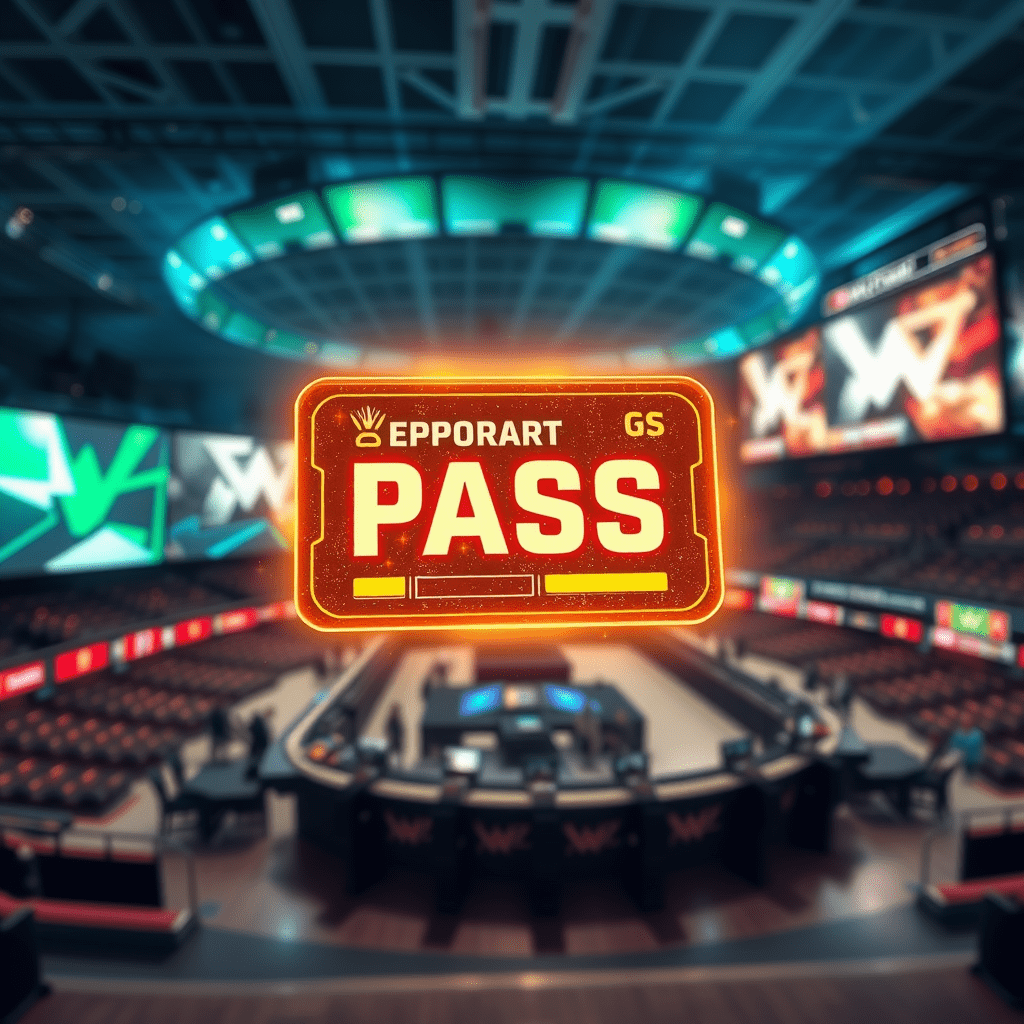
In a bold move that could redefine how fans connect with competitive gaming, several top esports leagues have unveiled NFT‑based season passes. This strategy promises to deepen fan loyalty, introduce new revenue streams, and offer unprecedented digital ownership. However, it also raises questions about environmental impact, market volatility, and the future of traditional ticketing models. In this article, we explore the mechanics, benefits, and potential pitfalls of this emerging trend.
What Are NFT‑Based Season Passes?
Non‑fungible tokens (NFTs) are unique digital assets stored on a blockchain, each with verifiable provenance and scarcity. When an esports league issues a season pass as an NFT, fans receive a one‑of‑one (or limited edition) digital credential that can unlock:
- Exclusive match‑day content (behind‑the‑scenes footage, interviews, and live streams)
- Priority access to fan events or meet‑and‑greet sessions with players
- Digital collectibles (team logos, player avatars, and in‑game skins)
- Voting rights on community decisions or in‑league merchandise releases
- Resale opportunities on secondary markets, often with a royalty fee for the league
Unlike traditional season tickets, these passes are portable, transferrable, and can carry intrinsic value in a growing digital economy.
Why Are Leagues Turning to NFTs?
1. Diversifying Revenue Streams
Esports tournaments traditionally rely on sponsorships, advertising, and broadcasting rights. NFT season passes add a direct-to-fan revenue model that bypasses intermediaries. For example, the League of Legends Championship Series (LCS) saw a 15% increase in fan spending after launching a tiered NFT pass that included a limited‑edition in‑game skin and a digital badge.
2. Enhancing Fan Engagement
By giving fans a tangible stake in the league, NFTs create a sense of ownership and community. Fans can trade passes, collect rare items, and earn rewards, fostering daily interaction with the league’s digital ecosystem.
3. Data and Loyalty Tracking
The blockchain records every transaction, providing leagues with granular insights into fan behavior. This data can inform personalized marketing, tailored content, and dynamic pricing strategies.
4. Global Accessibility
Digital passes eliminate geographic barriers. Fans from countries with limited broadcasting infrastructure can still participate in exclusive events, increasing global viewership and sponsorship appeal.
Key Considerations for Fans and Leagues
1. Environmental Impact
While many NFTs are minted on energy‑efficient proof‑of‑stake (PoS) blockchains, the environmental footprint remains a concern. Leagues are partnering with carbon offset programs and exploring “green” NFT platforms to mitigate emissions.
2. Market Volatility
Unlike physical merchandise, NFT values can fluctuate dramatically. Fans must recognize that their season passes may lose value if demand drops. Leagues often include buy‑back guarantees or locked‑in resale price floors to protect buyers.
3. Legal and Ownership Clarity
Ownership of an NFT pass does not always equate to all associated rights. Clear licensing agreements and transparent terms of service are essential to avoid disputes over content usage, resale royalties, or event participation.
4. Digital Wallet Literacy
New fans may find managing wallets and private keys intimidating. Leagues are simplifying onboarding by offering custodial wallets or integrating pass management into existing fan platforms.
Case Studies: Successes and Lessons Learned
League of Legends Championship Series (LCS)
The LCS launched a tiered NFT pass system in 2023. Fans could choose between a Bronze (basic content access), Silver (added merchandise discounts), and Gold (exclusive in‑game skins) level. The initiative increased average fan spend by 22% and created a thriving secondary market where Gold passes sold at 120% of their original price within a month.
Overwatch League (OWL)
OWL partnered with a well‑known blockchain platform to issue “Hero Passes” featuring animated team mascots. While sales exceeded expectations, the league faced backlash over unclear royalty structures on secondary sales. The incident prompted OWL to publish a detailed FAQ and adjust the royalty split to 5% for the league.
Fortnite Champion Series (FCS)
FCS experimented with “Time‑Limited” season passes that could be upgraded or sold after a set period. The flexible model resonated with younger audiences, boosting engagement metrics by 18%. However, the high price point of some passes led to calls for more affordable entry points.
The Future Landscape: Beyond Season Passes
As the NFT space matures, we can anticipate several developments that will shape esports economics and fan culture:
- Cross‑Platform Interoperability: Fans could use a single NFT pass across multiple games, leagues, and virtual events, creating a unified fan ecosystem.
- Dynamic NFTs: Passes that evolve based on fan participation, in‑league events, or player performance could provide continuous engagement.
- Fractional Ownership: High‑value collectibles could be split into smaller shares, allowing more fans to participate in revenue‑generating assets.
- Regulatory Frameworks: Governments may introduce clearer guidelines for digital assets, influencing how leagues structure and market NFTs.
Conclusion
Esports leagues adopting NFT‑based season passes represent a pioneering intersection of digital ownership, fan engagement, and new revenue models. While the benefits—ranging from enhanced community bonding to diversified income—are compelling, stakeholders must navigate environmental concerns, market volatility, and legal nuances. As the industry evolves, transparent practices, sustainable blockchain choices, and fan-centric designs will determine which initiatives thrive.
Embrace the future of esports—where every fan has a unique, tangible stake in the game they love.