“Drafting at Two Speeds” is a tactical framework borrowed from group cycling that combines steady cruising and planned surges; applied to open‑water swimming it helps athletes conserve energy, read wakes, and position for decisive outsprints. In this article, the main keyword Drafting at Two Speeds is used to describe how swimmers can translate peloton techniques—pacelines, rotations, and wake-reading—into practical race and training methods so they finish faster and fresher.
Why Peloton Tactics Matter to Open‑Water Racing
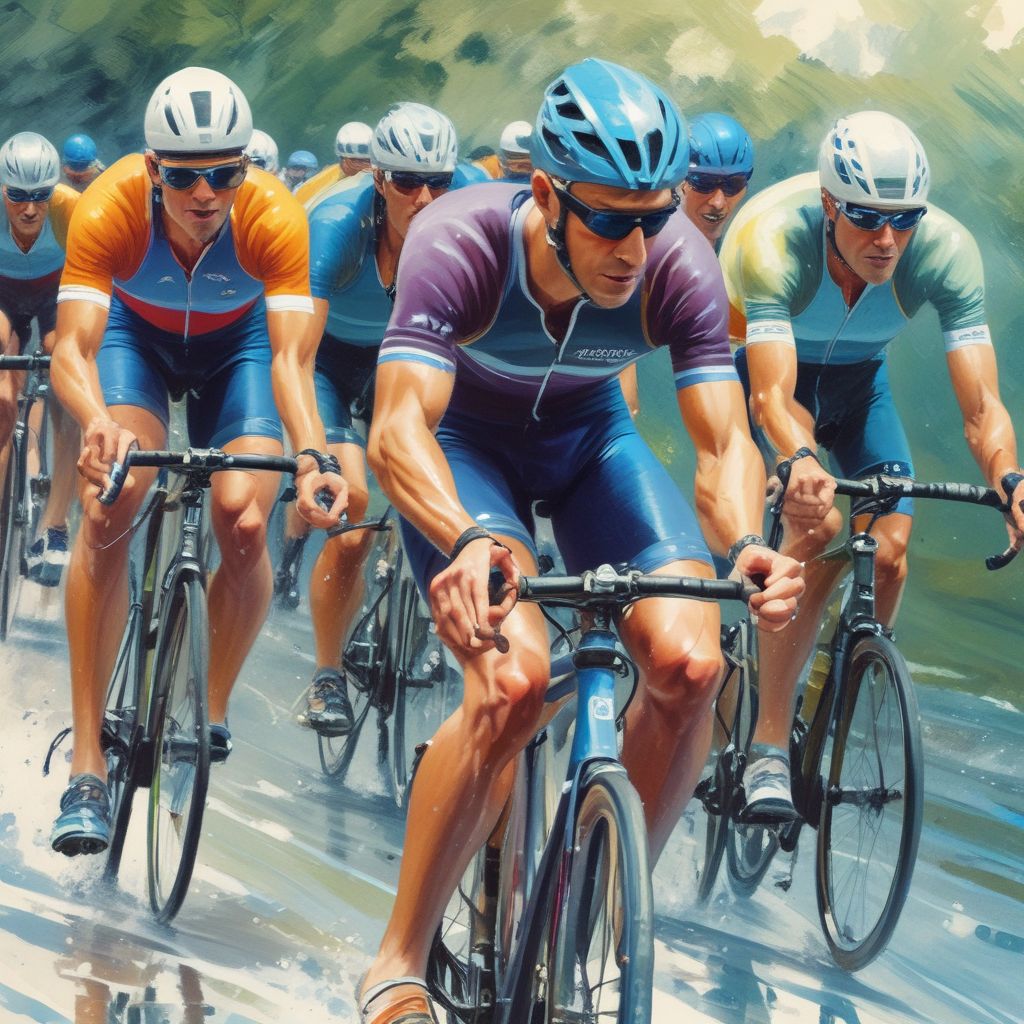
Cycling’s peloton is a dynamic, energy‑saving machine that alternates between steady pace and short, efficient surges to control race tempo and preserve riders for finales. Open‑water packs behave similarly: the water’s wake, the pack’s positioning, and rhythm changes determine who has conserved enough to sprint. Understanding the interaction between a steady “cruise” speed and a tactical “surge” speed—the essence of Drafting at Two Speeds—gives swimmers a systematic way to think about energy budgets during a race.
Core Concepts Translated from the Peloton
1. Paceline Thinking (In‑Line Drafting)
In cycling, a paceline keeps riders in single file to minimize drag; in the swim, this equates to in‑line drafting directly behind another swimmer’s feet and shoulders. Staying in the wake’s sweet spot reduces energy cost by letting the lead swimmer break the water resistance. Rotate the lead in training sets so everyone practices both pulling and recovering.
2. Two Speeds: Cruise vs. Surge
Cruise speed is the comfortable, sustainable pace the group holds for long stretches. Surge speed is a short, controlled increase used to chase, gap competitors, or test legs. In practice, swimmers should learn to sit in the cruise zone and only expend extra energy during planned surges—ideally when those surges force others to react and lose their groove.
3. Echelon and Side‑Drafting Concepts
Where wind or chop plays a role in cycling, open water presents asymmetric wakes and waves. Side‑drafting (positioned slightly off the stern of a lead swimmer) can be advantageous in cross chop or when the best racing line is slightly offset from the buoy line—think of it as an aquatic echelon. Use it to avoid congestion while still harvesting the lead swimmer’s wake.
Wake‑Reading: Seeing the Invisible Draft
Wake‑reading is the ability to judge where the reduced‑resistance “bubble” sits behind a swimmer. It’s part feel, part sighting: look for subtle surface disturbances and the light pattern of ripples trailing a swimmer. When you find that pocket—often a few centimeters below the surface and directly behind shoulders and feet—hold it. Tiny adjustments in angle and distance (a hand’s width to a body length) can markedly change the drafting benefit.
Pack Positioning: Practical Race Rules of Thumb
- First quarter: Stay mid‑pack or rear of the lead group to conserve; avoid early front pulls unless intentional break is planned.
- Mid race: Shift toward the centre of the pack to minimize being boxed out on buoy turns; use side‑drafting to slip around congestion.
- Final quarter: Move up smartly—time a controlled surge to reach the slot directly behind the lead swimmer with 200–300m to go so you can execute an outsprint.
- Buoy turns: Attack the inside line if you can hold position; otherwise, take the outside wake pocket to slingshot back into contention.
Drills to Practice Drafting at Two Speeds
These drills build comfort with both holding a draft and executing surges without wasting energy.
- Paceline Sets: In open water or a long pool, form a single file and have the lead swimmer hold cruise for 3–5 minutes then surge for 15–30 seconds; rotate leads every 3–5 minutes.
- Surge Recovery Intervals: 10 x (30s surge + 90s cruise) while drafting behind a rotating lead; focus on maintaining the wake pocket during recovery.
- Wake‑Reading Pairs: One swimmer leads at moderate pace, the follower practices subtle lateral and depth adjustments to lock into the clearest draft.
- Turn Simulations: Set markers and practice approaches to buoys, testing inside versus outside lines and immediate re‑draft positioning after the turn.
Race‑Day Tactics: When to Sit and When to Slip
Drafting at Two Speeds isn’t passive—it’s about choice. Sit and conserve when the pack is unsettled or early in the race; slip into a stronger position when the group’s rhythm favors a launch. If you’re the chaser, use measured surges to test the group’s response; if you’re leading, brief, predictable rotations let others share the cost while keeping you fresher for late moves.
Timing the Outsprint
Plan the final increase so you emerge from a draft with momentum: use a 15–30m half‑stroke acceleration out of the wake so you exit clean and avoid being re‑drafted. The swimmer with the best energy reserve plus perfect positioning—locked into the draft until the last viable moment—usually wins the sprint.
Rules, Respect, and Sportsmanship
Be aware of race rules about contact and obstruction—cycling tactics can imply aggressive moves that aren’t legal in the water. Respect other swimmers’ lines; use tactical maneuvers that are fast, fair, and safe. Good sportsmanship keeps the pack functioning and reduces costly penalties or injuries.
Drafting at Two Speeds is a simple but powerful idea: alternate efficient cruising with tactical, well‑timed surges while reading the water and the pack. When practiced deliberately, these techniques let you conserve oxygen, preserve speed for the finish, and exploit small wake advantages that add up into a race‑winning margin.
Conclusion: Mastering peloton‑inspired drafting—recognizing wake pockets, choosing the right moments to surge, and practicing pack rotations—turns chaotic open‑water races into tactical chess matches you can win.
Ready to swim smarter: sign up for a drafting clinic or add one of the drills above to your next open‑water session and feel the difference in your next race.