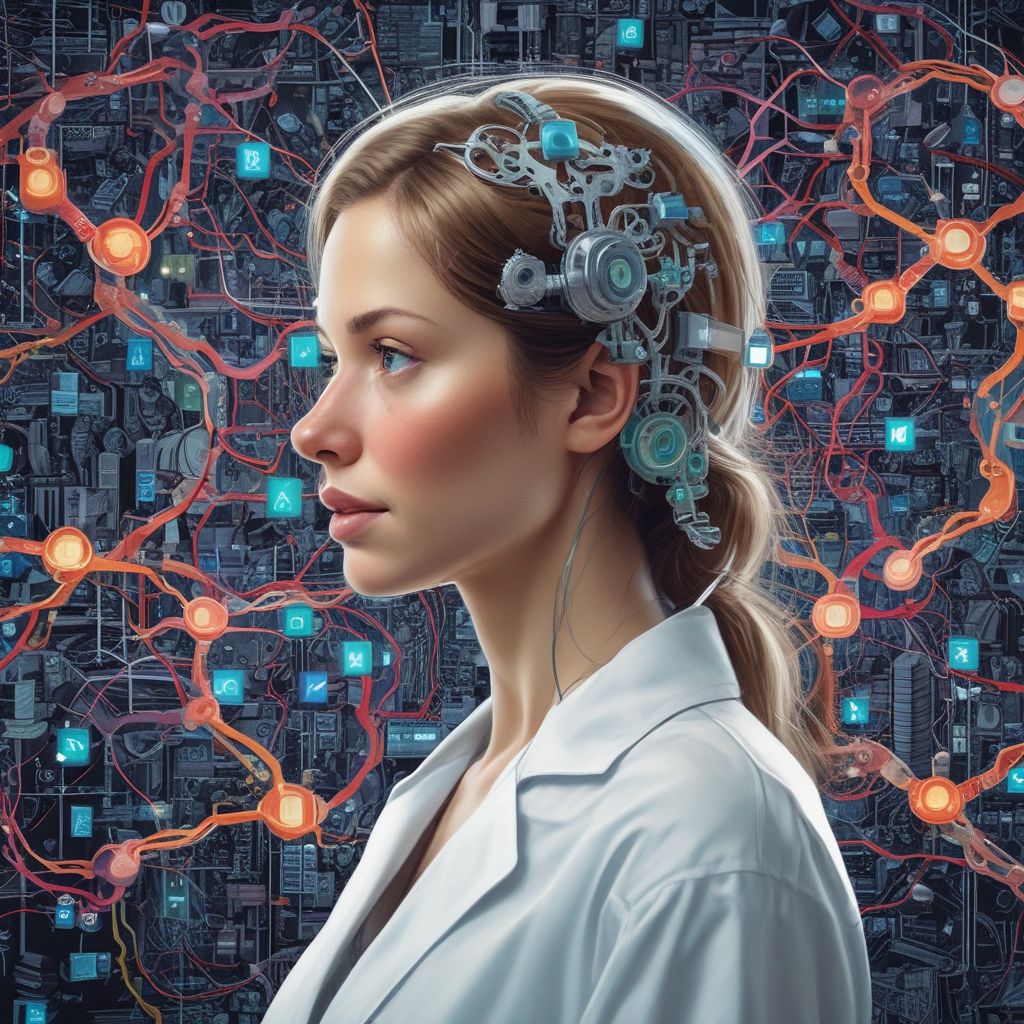
The Rise of Digital Twins in Healthcare
Imagine a precise, AI-generated replica of your body that tests treatments before you take them. This isn’t science fiction—it’s the reality of digital twins, virtual avatars that mirror your physiology down to the molecular level. These replicas are transforming healthcare by enabling truly personalized treatments.
Digital twins combine data from wearables, genetic tests, medical histories, and real-time biomarkers. Advanced algorithms then create a dynamic model that predicts how your body will respond to different interventions. The result? Therapies tailored to your unique biology, minimizing trial-and-error in patient care.
How Digital Twins Transform Treatment Planning
Creating Your Virtual Replica
Building a digital twin starts with gathering comprehensive data. Sensors monitor vital signs, blood tests reveal biochemical markers, and genetic sequencing identifies inherited traits. Machine learning algorithms integrate this information into a living, evolving model that mirrors your body’s responses.
For example, a patient with diabetes might have a twin that simulates glucose metabolism under various diets or insulin doses. This virtual model updates continuously as new data flows in, ensuring accuracy over time.
Testing Therapies in Silico
Once the twin is ready, doctors can simulate treatments before administering them. A cancer patient’s avatar might test dozens of chemotherapy combinations to predict which will effectively target their tumor while sparing healthy cells.
This process eliminates the “one-size-fits-all” approach. Instead of waiting to see how a drug works—or worse, suffers through side effects—patients benefit from predictions based on their own physiological reality.
Real-World Applications and Success Stories
Hospitals are already using digital twins with remarkable results. A leading cardiology center reduced complications from heart failure medications by 35% after simulating treatments on patient avatars. In oncology, trials showed a 40% decrease in unnecessary chemotherapy cycles when therapists used twins to find optimal regimens.
Another breakthrough emerged in pharmacology. A pharmaceutical company developed a digital twin platform to test drug interactions for patients with multiple chronic conditions. The system identified previously unknown adverse reactions, accelerating safer drug development.
Benefits of Personalized Digital Twins
- Precision Treatment: Therapies target your specific genetic and physiological profile.
- Reduced Side Effects: Avatars predict adverse reactions before they occur.
- Cost Savings: Hospitals avoid ineffective treatments and lengthy trial periods.
- <strong{Faster Innovation: Drug development cycles shorten dramatically.
- <strong{Patient Empowerment: Individuals gain insight into their health and treatment options.
Challenges on the Path to Adoption
Despite their promise, digital twins face hurdles. Privacy remains a top concern—health data must be protected rigorously. Regulatory frameworks are still catching up, creating uncertainty for widespread clinical use. Computational power and data integration also pose challenges as models grow increasingly complex.
Interoperability is another hurdle. Medical systems often don’t share data seamlessly, requiring standardized protocols to ensure twins have complete, accurate information.
The Future of Digital Twins in Medicine
Experts predict digital twins will become as routine as blood tests within the next decade. Emerging technologies like quantum computing could solve current processing bottlenecks, enabling real-time simulations for millions of patients simultaneously.
Integration with artificial intelligence will deepen, allowing twins to learn from collective data while maintaining individual privacy. Telemedicine platforms may incorporate avatars, giving remote patients access to the same precision treatments as those in major urban centers.
Conclusion
Digital twins are reshaping healthcare from reactive to proactive. By testing therapies on virtual replicas first, doctors can prescribe the optimal treatment for each individual—reducing risks, saving costs, and improving outcomes. As technology advances, these avatars will become indispensable tools in the quest for truly personalized medicine.