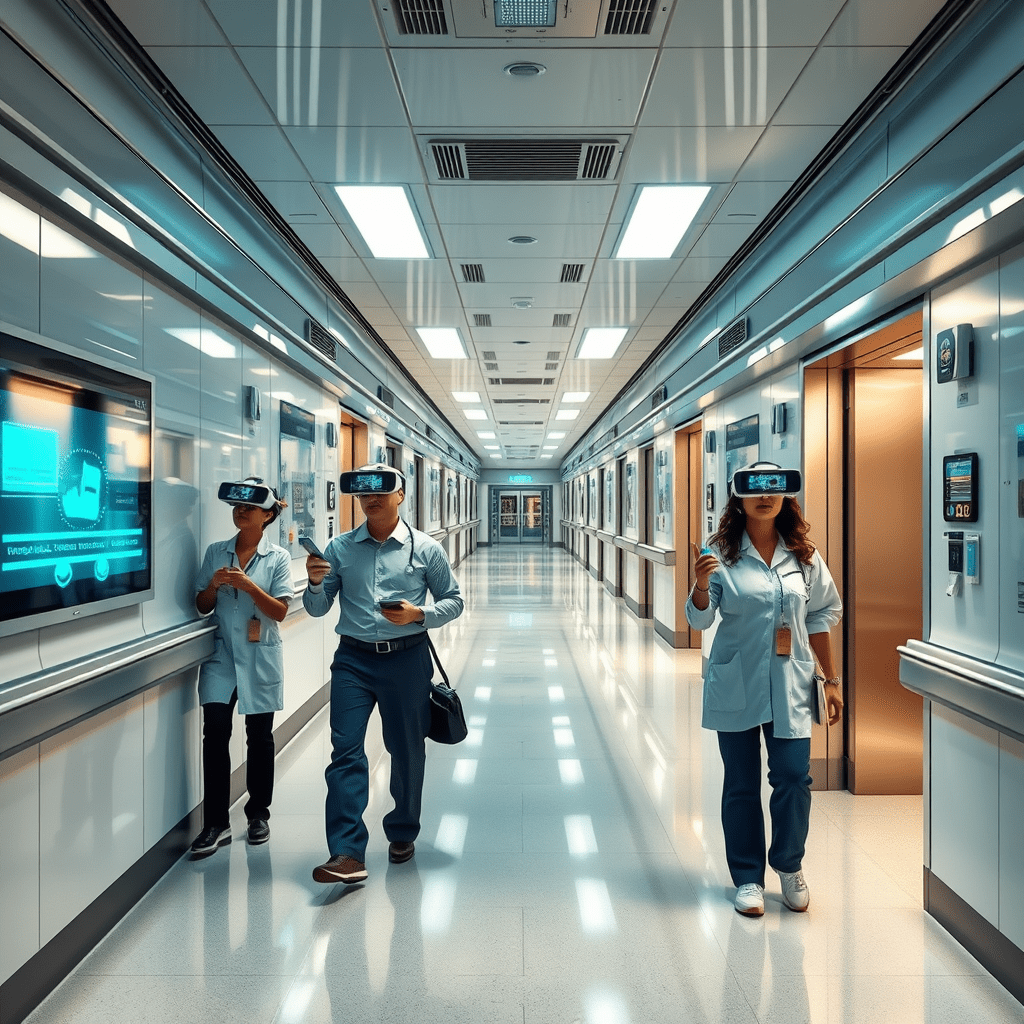
Digital Twins for Hospital Ops: Simulating Care Pathways to Boost Efficiency
In today’s fast‑paced healthcare environment, hospitals face mounting pressure to deliver high‑quality care while managing costs. Digital twins for hospital ops offer a transformative solution by creating virtual replicas of wards, equipment, and workflows. These dynamic models allow administrators to test scenarios, identify bottlenecks, and fine‑tune processes before making costly physical changes. By simulating patient flow, staff allocation, and resource utilization, hospitals can cut waste, reduce wait times, and ultimately provide smoother patient experiences.
What Is a Digital Twin in Healthcare?
A digital twin is a real‑time, data‑driven digital representation of a physical system. In a hospital setting, it incorporates everything from bed counts and ventilation rates to electronic health record (EHR) data and staff schedules. The twin is continuously updated through sensors, IoT devices, and AI analytics, creating a live mirror that reacts to changes as they happen.
Core Components
- Physical Asset Layer: Wards, operating rooms, diagnostic equipment, and patient beds.
- Data Layer: Real‑time feeds from RFID tags, wearables, bed sensors, and administrative systems.
- Analytics Layer: Predictive algorithms, simulation engines, and machine‑learning models that forecast demand and resource needs.
- Visualization Layer: Dashboards, 3D maps, and scenario‑planning tools that let managers view and manipulate the twin.
Key Benefits of Digital Twins for Hospital Ops
When applied to hospital operations, digital twins unlock a range of efficiency gains. Below are the most compelling advantages:
- Predictive Bottleneck Detection: The twin can simulate patient influx and reveal chokepoints in real time.
- Waste Reduction: By optimizing inventory levels and scheduling, hospitals can cut excess supplies and avoid over‑staffing.
- Enhanced Patient Flow: Seamless coordination between admissions, diagnostics, and discharge processes leads to shorter stays.
- Staff Utilization: Dynamic rostering and shift planning reduce overtime and improve job satisfaction.
- Risk Mitigation: Scenario testing for emergencies (e.g., mass casualty events) helps develop robust response plans.
Case Studies That Illustrate Real‑World Impact
Several leading institutions have embraced digital twins, achieving measurable results:
University Health System – ICU Capacity Optimization
By modeling ICU beds and ventilator availability, the hospital predicted peak demand weeks ahead, allowing proactive staff recruitment and equipment procurement. The result was a 25% reduction in ICU wait times during the pandemic surge.
Metro General – Surgical Suite Scheduling
The twin simulated operating room utilization across multiple specialties. The analysis revealed that reallocating certain surgeries to off‑peak days increased throughput by 18% without extending work hours.
Saint Mary’s Children’s Hospital – Emergency Department Flow
Integrating patient arrival data with real‑time triage metrics, the twin identified that a 10‑minute reduction in triage processing led to a 12% drop in overall ED length of stay. Staff training based on twin insights further amplified these gains.
Implementing a Digital Twin: A Practical Roadmap
Deploying a digital twin is a multi‑stage journey. Hospitals can follow this structured approach to minimize disruption and maximize ROI.
1. Define Objectives and Success Metrics
Start by outlining clear goals—e.g., reduce bed turnaround time by 15% or cut overtime by 10%. Tie these objectives to measurable KPIs so progress is trackable.
2. Build a Cross‑Functional Team
Include IT, clinical operations, finance, and data science experts. This coalition ensures that technical feasibility aligns with clinical realities.
3. Conduct a Data Audit
Map existing data sources (EHR, LIS, RIS, staffing systems) and assess data quality. Identify gaps where new sensors or integrations are needed.
4. Choose the Right Technology Stack
Leverage proven simulation platforms (e.g., AnyLogic, Simio, or specialized healthcare twins like MedTech’s DigitalHealth Twin). Integrate IoT devices (RFID, bed occupancy sensors) and APIs for seamless data flow.
5. Develop the Initial Prototype
Start with a single department—perhaps the ED—to validate modeling assumptions and iterate quickly.
6. Validate and Calibrate
Compare twin predictions against historical performance. Adjust parameters until simulation outputs match real‑world metrics within acceptable error margins.
7. Roll Out Incrementally
Once validated, expand the twin to additional units (ICU, OR, radiology). Provide training workshops for end users to foster adoption.
8. Establish Governance and Feedback Loops
Set up a governance committee to monitor data privacy, model drift, and compliance. Encourage staff to report discrepancies between the twin and actual operations.
Overcoming Common Challenges
Adoption hurdles can arise, but they are surmountable with proactive strategies.
- Data Silos: Implement enterprise data integration platforms or master data management (MDM) solutions to unify disparate sources.
- Change Management: Offer continuous education and showcase quick wins to build trust among clinicians and administrators.
- Cost Concerns: Frame the investment as a long‑term ROI project. Highlight potential savings from reduced bed occupancy, lower overtime, and improved patient throughput.
- Regulatory Compliance: Ensure HIPAA and local data protection standards are embedded in the twin architecture. Use role‑based access controls and audit trails.
Tools and Technologies Driving the Digital Twin Revolution
The success of a digital twin hinges on the synergy between hardware, software, and analytics. Below are some key players:
IoT and Sensor Ecosystems
- RFID tags for bed occupancy and patient tracking.
- Temperature and CO₂ sensors for environmental monitoring.
- Wearable devices feeding vitals into the twin.
Simulation Engines
- AnyLogic – Offers agent‑based, discrete‑event, and system dynamics modeling.
- Simio – Known for its drag‑and‑drop interface and healthcare case studies.
- Unity or Unreal Engine – For immersive 3D visualization and VR training scenarios.
Analytics Platforms
- Microsoft Azure Digital Twins – Cloud‑native framework for large‑scale deployments.
- IBM Watson Health – Provides AI‑driven predictive insights.
- Custom Python or R libraries for machine‑learning model integration.
Visualization and Dashboard Tools
- Power BI, Tableau, or Looker for KPI dashboards.
- Three.js for web‑based 3D rendering.
Measuring Return on Investment (ROI)
Quantifying ROI for digital twins involves both tangible and intangible metrics:
- Operational Savings: Reduced bed occupancy costs, lower overtime, and minimized equipment downtime.
- Revenue Enhancement: Higher throughput leads to more procedures and shorter discharge times, freeing capacity for additional patients.
- Quality Improvements: Fewer delays translate to higher patient satisfaction scores and lower readmission rates.
- Staff Retention: Optimized workflows reduce burnout, lowering turnover costs.
Typical ROI timelines range from 12 to 24 months, depending on scale and complexity.
The Future of Digital Twins in Hospital Operations
As technology matures, digital twins are poised to become even more integral to hospital strategy:
- Integrated Multi‑Institution Twins: Connecting regional hospitals into a shared twin for coordinated resource allocation.
- Real‑Time AI Decision Support: Automated alerts for impending bottlenecks or equipment failures.
- Patient‑Centric Twins: Personalizing care pathways by embedding individual patient data into the twin.
- Blockchain for Data Security: Ensuring immutable, tamper‑proof records across the twin ecosystem.
These advancements will further embed digital twins into the fabric of modern healthcare delivery.
Conclusion
Digital twins for hospital ops are not a futuristic buzzword—they are a proven catalyst for operational excellence. By transforming static data into dynamic, actionable insights, hospitals can anticipate challenges, optimize resources, and ultimately deliver faster, safer care. Embracing this technology positions healthcare leaders at the forefront of innovation, ready to meet the demands of tomorrow’s patients and staff.
Explore how a digital twin can transform your hospital today.