Designing Adaptive Haptic Gloves for VR: A User‑First Guide for Gamers
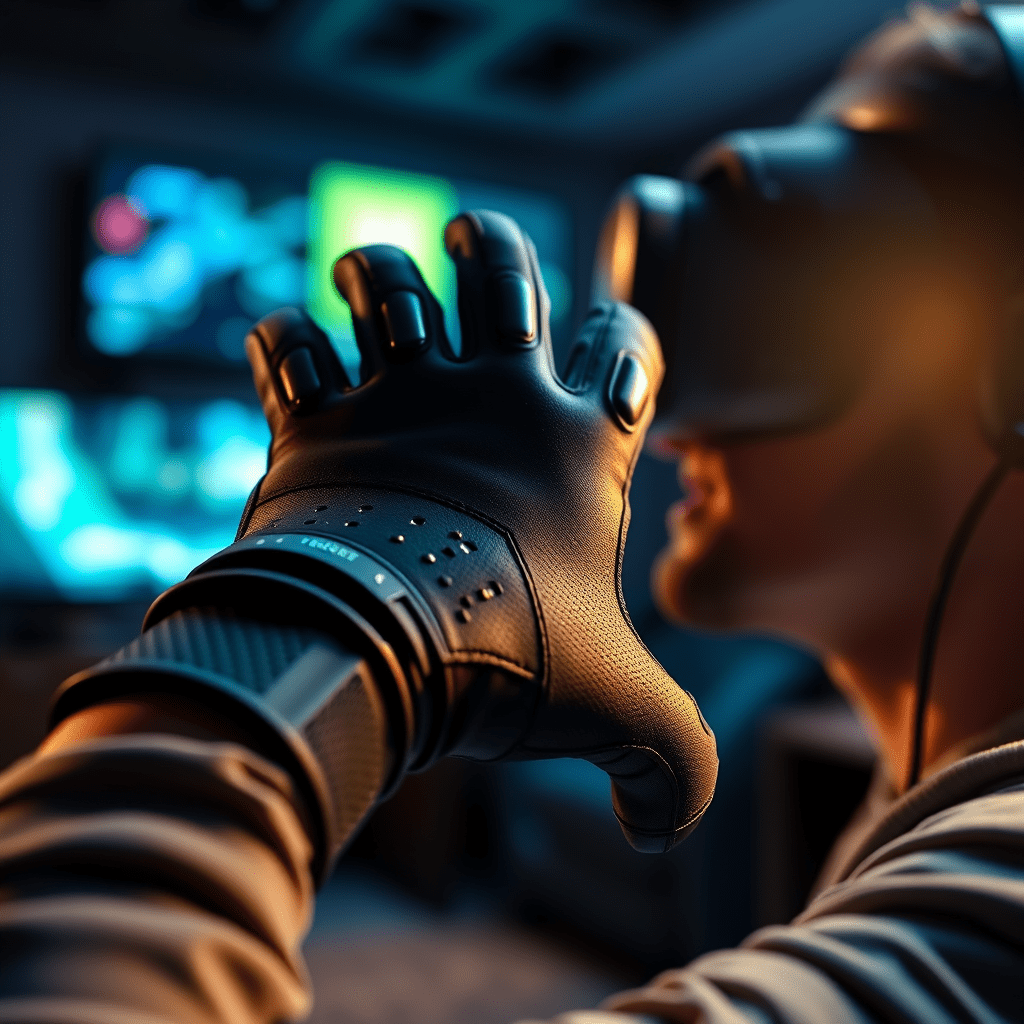
As virtual reality evolves, the quest for realism drives the need for more sophisticated sensory feedback. Designing adaptive haptic gloves for VR is no longer a niche hobby—it’s a core component of immersive gameplay. This guide walks gamers, designers, and developers through the UX blueprint that balances comfort, immersion, and accessibility, ensuring every player feels fully present in the virtual world.
1. Start with the Player, Not the Technology
Before selecting motors or materials, map the player’s experience. Conduct contextual inquiries to understand hand sizes, typical grips, and comfort thresholds. Use empathy maps to capture emotions while interacting with haptic devices, noting points of strain or confusion. By grounding design in real user data, you avoid costly rework and build a glove that feels natural from the first touch.
2. Comfort First: Ergonomics & Breathability
Adaptive gloves must feel like an extension of the hand, not an external weight. Choose breathable, moisture‑wicking fabrics such as bamboo‑silk blends or 3D‑printed lattice structures that conform to wrist curvature. Incorporate adjustable tension straps and modular thumb support to accommodate different hand shapes. Test for heat buildup; integrate micro‑ventilation channels or thermally conductive silicone to keep the skin cool during extended sessions.
Material Checklist
- Silicone grippers for tactile realism
- Polyurethane or TPU actuators for flexibility
- 3D‑printed hollow ribs to reduce bulk
- Breathable mesh lining for sweat absorption
3. Sensor Integration: Capturing the Player’s Intent
High‑resolution motion capture is essential. Use inertial measurement units (IMUs) combined with flex sensors along each finger. Pair these with force‑sensing resistors (FSRs) on fingertips to gauge pressure. For a truly adaptive experience, integrate biometric sensors—heart rate, skin conductance—to modulate feedback intensity based on player stress or excitement levels.
4. Actuator Selection: Choosing the Right Haptic Muscle
Actuators drive the physical sensations that bring virtual objects to life. Three primary types dominate the market:
- Piezoelectric haptics for high‑frequency, subtle vibrations.
- Electromagnetic coils that deliver strong, directional forces.
- Shape‑memory alloys (SMAs) that contract when heated, creating tactile pulls.
Select actuators based on response time, energy consumption, and form factor. Combining multiple types can layer sensations—tiny vibrations for texture, stronger pulls for impact—without increasing bulk.
5. Adaptive Feedback Algorithms: Learning the Player’s Style
Algorithms translate sensor data into haptic output. Implement adaptive filters that adjust sensitivity in real time, reducing latency. Use machine learning models trained on user interactions to predict desired feedback before the player consciously perceives it. For instance, if a player quickly grips a virtual sword, the glove should instantaneously apply a slight resistance, enhancing the sense of weight.
Key Algorithmic Considerations
- Latency < 20 ms for convincing immersion
- Dynamic gain control based on context (e.g., combat vs. exploration)
- Battery‑saving mode during low‑intensity scenes
6. Accessibility: Making VR Inclusive for All Players
Accessibility is a cornerstone of modern UX. Design gloves with adjustable stiffness so players with limited grip strength can still feel force feedback. Offer alternative input mapping for gamers with motor impairments—e.g., replace complex finger gestures with simpler button combinations. Ensure color‑blind friendly UI in the companion app, and provide tactile cues for essential notifications.
7. User Testing & Iteration: The Feedback Loop
Rapid prototyping and A/B testing reveal what works and what doesn’t. Use a mixed‑methods approach: quantitative metrics (latency, power draw) paired with qualitative feedback (comfort ratings, perceived realism). Implement a “hand‑in‑the‑glove” diary app where users log sensations, enabling designers to correlate design choices with subjective experience. Iterate until the glove feels like a natural extension of the player’s body.
8. Case Study: Valve’s “Valkyrie” Prototype
Valve’s experimental glove showcased an elegant blend of flex sensors and electromagnetic actuators. While it achieved near‑realistic resistance, it fell short on comfort due to rigid metal frames. The iterative redesign replaced metal with a TPU lattice, reduced weight by 30%, and improved user satisfaction scores by 45%. This case illustrates how ergonomic adjustments can elevate a high‑tech prototype into a consumer‑ready product.
9. Future Trends: From Brain‑Computer Interfaces to AI‑Driven Haptics
Emerging technologies promise even richer interactions. Brain‑computer interfaces (BCIs) could allow the glove to preemptively simulate sensations before the user consciously initiates an action. AI‑driven haptic rendering can adapt to the game environment in real time, providing context‑specific feedback without manual scripting. Keep an eye on flexible printed electronics and graphene‑based actuators for ultra‑thin, high‑performance haptic layers.
10. Building Your Design Toolkit
Essential tools for glove designers include:
- CAD Software (Fusion 360, Rhino) for 3D modeling.
- Finite Element Analysis (FEA) to predict strain.
- Microcontroller Platforms (Arduino, Teensy) for prototyping.
- 3D scanners for capturing hand geometry.
Combine these with rapid prototyping services—laser cutting, 3D printing, and silicone molding—to iterate quickly and cost‑effectively.
Conclusion
Designing adaptive haptic gloves for VR is a multidisciplinary challenge that hinges on empathy, ergonomics, and technology. By prioritizing user comfort, integrating responsive sensors, choosing the right actuators, and iterating with real players, designers can create gloves that not only feel immersive but are also accessible to a diverse audience. The future of VR will be shaped by those who bring tactile fidelity to life, one hand at a time.
Start designing your next generation haptic glove today.