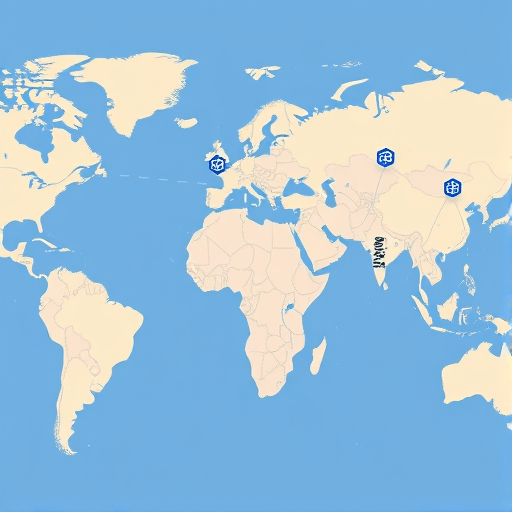
Cross-Border Unicorn Factories are not a stroke of luck — they are the predictable outcome when diaspora networks marshal talent, informal capital, and repeatable go-to-market playbooks to scale startups in emerging markets. This article unpacks the mechanisms that turn dispersed communities into high-leverage engines for launching and scaling billion-dollar enterprises across continents, and offers practical playbooks founders and policymakers can use to accelerate that process.
Why diasporas matter: structure, trust, and market reach
Diaspora communities combine three powerful assets: deep local knowledge, trusted social capital, and international market access. Unlike conventional VCs, diaspora actors often invest with both financial and social returns in mind, tapping family ties, university networks, and professional associations to identify talent and validate early product-market fit. The result is an ecosystem where ideas flow across borders and can be piloted in one market before scaling to many.
Talent pipelines: how skills move and stick
Talent is the raw material of unicorns, and diasporas create several low-friction channels for moving it:
- Returnee founders and C-suite swaps: Professionals who trained or worked abroad return with managerial experience, global standards, and investor connections, often taking founder or executive roles in local startups.
- University-to-startup pipelines: Alumni chapters at top global universities act as recruitment funnels and mentorship hubs, enabling graduates to join early-stage teams or advise remotely.
- Remote sourcing and blended teams: Startups combine local operators with diaspora-based specialists (engineering, product, growth) to close skill gaps and accelerate product development.
- Bootcamps and fellowship programs: Diaspora-led bootcamps upskill talent locally with curricula designed to meet hiring needs of globalized startups.
Informal capital flows: beyond traditional VC
Capital from diaspora sources often arrives through informal but effective channels that complement formal investment:
- Remittances as seed liquidity: Small-scale remittances and family pooling often fund product prototypes and early customer acquisition before formal funding is available.
- Angel syndicates and club deals: Diaspora angels organize through WhatsApp groups, alumni networks, and social clubs to syndicate checks, share due diligence, and co-invest in rounds.
- Community funds and rotating mechanisms: Informal savings groups (ROSCA-style), hometown funds, and ethnic community trusts can create early-stage credit lines or grants for entrepreneurs.
- Bridge financing from abroad: Diaspora family offices and small institutional players sometimes offer convertible notes or SAFE agreements tailored to local legal realities.
Go-to-market playbooks diasporas repeat
Successful cross-border scaling follows repeatable patterns—“playbooks”—that diasporas iterate on across sectors:
- Pilot abroad, scale locally (and vice versa): Validate product features with diaspora-rich customer segments abroad, then adapt messaging and pricing for the home market.
- Partnership-first distribution: Use diaspora-managed partnerships—telcos, remittance platforms, and migrant-focused retailers—to access distribution at low cost.
- Regulatory arbitrage and local champions: Leverage returnee founders’ regulatory literacy to secure pilot exemptions, sandbox access, or local licensing faster than outsiders.
- Localized product-market fit with global standards: Combine lean, locally relevant features (mobile-first, low-data UX, local languages) with compliance, security, and governance that satisfy international investors.
- Dual-branding and trust signals: Use diaspora endorsements, international certifications, and local testimonials together to overcome consumer trust deficits.
Operational playbook: building repeatability
Operationalizing a cross-border unicorn factory requires systems that make replication predictable:
- Document hiring templates and compensation bands that work across jurisdictions.
- Create investor decks and financial models that map local KPIs to global unit economics.
- Standardize legal templates (employee contracts, NDAs, convertible instruments) for easier cross-border deployment.
- Develop knowledge transfer hubs—video libraries, onboarding playbooks, and mentor networks—so diaspora experts can scale impact without moving permanently.
Case patterns and sector strengths
Some sectors are especially fertile for diaspora-led scaling because they align with remittance flows, diaspora consumer behavior, or cross-border infrastructure:
- Fintech: Payment rails, remittance-native products, and embedded finance benefit from diaspora trust and cross-border flows.
- Healthtech and edtech: Remote expertise from diaspora clinicians and educators helps scale telemedicine and digital learning models rapidly.
- Logistics and marketplaces: Diaspora networks shorten supply chains and help validate cross-border demand for niche goods.
Common friction points and mitigation
Even with strong networks, diasporas face challenges; three frequent ones are:
- Regulatory complexity: Mitigate by hiring local legal counsel and keeping a returnee regulatory lead to liaise with authorities.
- Currency and taxation risks: Use multi-currency accounts, hedging partnerships, and transparent tax planning to reduce surprises.
- Talent retention: Combine equity, career-growth pathways, and training budgets to keep local hires motivated amid competition.
Practical checklist for founders and ecosystem builders
- Map your diaspora: list universities, professional clubs, and remittance corridors that connect your market to talent and capital.
- Launch a minimum viable syndicate: recruit 5–10 diaspora angels to co-invest and open doors.
- Create a returnee fellowship: offer short-term leadership roles to experienced diaspora professionals to transfer institutional knowledge.
- Document a repeatable GTM playbook for each new market before scaling to a second.
- Engage diaspora press and influencers early to build trust and signal legitimacy to local customers.
Conclusion
Diaspora networks are the raw material of Cross-Border Unicorn Factories: when talent pipelines, informal capital flows, and repeatable go-to-market playbooks are intentionally combined, they create a scalable engine for billion-dollar startups in emerging markets. Founders who map, systematize, and institutionalize these diaspora advantages will unlock faster product-market validation, cheaper distribution, and more resilient funding channels.
Ready to turn your diaspora connections into a repeatable growth engine? Start by mapping your top five diaspora nodes and recruiting a small pilot syndicate this month.